Athens vs. Rome: The Ancient Capital Showdown for History Lovers
Athens vs. Rome: The Ancient Capital Showdown for History Lovers
Every year, millions of travelers face this exact dilemma: Athens or Rome? Both are ancient capitals. Both have world-class ruins, extraordinary food, and rooftop bars with views of illuminated monuments. Both will change how you think about history.
But they're very different cities, and the right choice depends entirely on what you're looking for. I've spent three weeks in each over multiple trips. Here's the honest, category-by-category breakdown.
Ancient Ruins
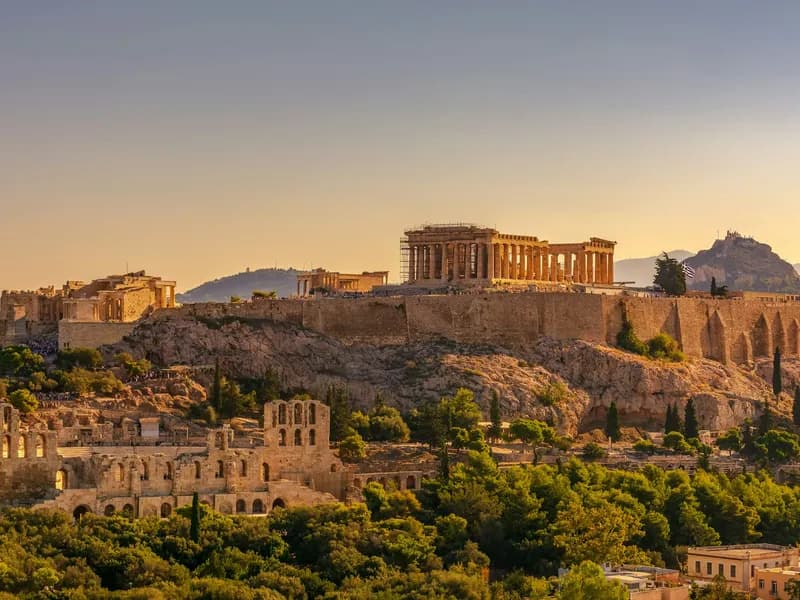
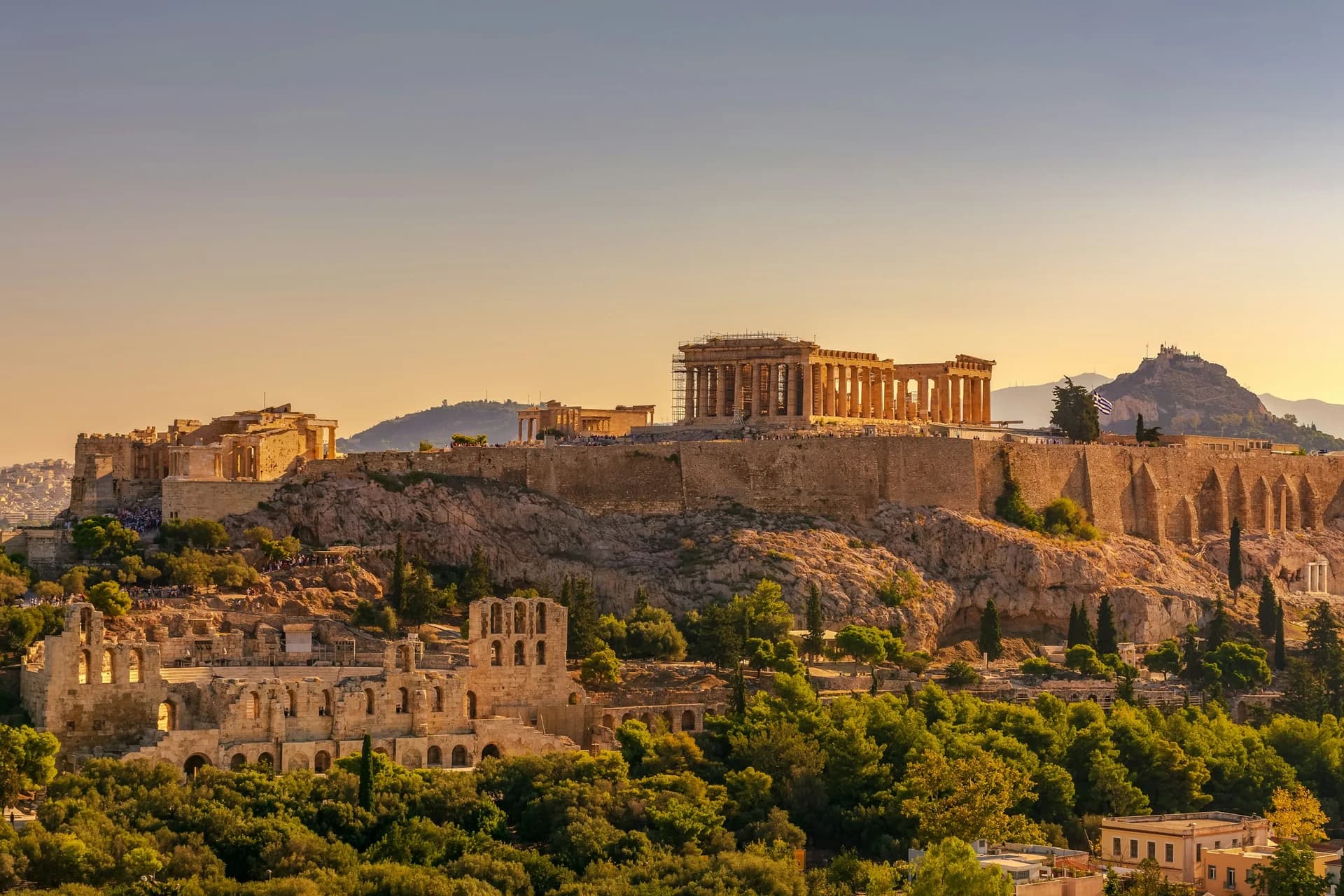
Athens: The Acropolis and Parthenon are unmatched. Nothing in Rome — or anywhere else — delivers the same concentrated punch of standing where democracy was invented. The €30 combo ticket covers seven archaeological sites across the city and is valid for five days. The Ancient Agora (where Socrates taught), the Temple of Hephaestus (best-preserved Greek temple in the world), and the Theatre of Dionysus (birthplace of drama) are all within walking distance.
The ruins feel raw. Less restored, less polished. You walk on ancient marble and stumble across fallen columns in vacant lots.
Rome: The Colosseum, the Roman Forum, the Pantheon, the Baths of Caracalla. Rome has more ruins, spread across a wider area, and many are spectacularly preserved. The Pantheon's unreinforced concrete dome has stood for nearly 2,000 years with a perfect oculus open to the sky. Free entry.
Rome's ruins also feel more integrated into daily life — you'll find a temple column holding up a restaurant wall, or a cat colony living in an ancient theater.
Winner: Athens for significance, Rome for volume and spectacle.
Museums
Athens: The Acropolis Museum (€15) is stunning and focused. The National Archaeological Museum (€12) houses the Mask of Agamemnon and the Antikythera Mechanism across five millennia. The Museum of Cycladic Art and Benaki Museum round out a strong roster. Most are affordable.
Rome: The Vatican Museums are in another league — the Sistine Chapel alone draws 25,000 visitors daily. The Borghese Gallery houses Bernini sculptures that make you question whether marble can be soft. The Capitoline Museums are the world's oldest public museums.
Rome simply has more world-class museums.
Winner: Rome.
Food
Athens: Souvlaki wraps for €3.50 at Kostas (since 1950, open 11AM-3PM). Grilled octopus at Diporto Agoras, a no-sign basement taverna under the Central Market where meals cost €10-12. Modern Greek meze at Karamanlidika tou Fani with Istanbul-Greek cured meats for €20-28. Greek salads that use tomatoes as a vegetable, not a garnish.
Rome: Cacio e pepe at Da Enzo al 29 in Trastevere. Supplì (fried rice balls) for €2 from a street counter. Carbonara where the egg yolk is still liquid. Pizza al taglio at Bonci for €3-5 a slice. Gelato at Fatamorgana that ruins you for all other ice cream.
Both cities have extraordinary food traditions, but Rome's variety is wider and the pasta culture is transcendent.
Winner: Rome, narrowly. Athens is cheaper.
Budget
| Category | Athens | Rome |
|---|---|---|
| Hotel (mid-range) | €100-180/night | €130-250/night |
| Meal (sit-down) | €10-25 | €15-35 |
| Archaeological site | €10-20 (or €30 combo) | €16-20 each |
| Metro single | €1.20 | €1.50 |
| Beer (bar) | €3-5 | €5-8 |
| Daily budget | €80-150 | €120-220 |
Athens is 30-40% cheaper than Rome across the board. The €30 combo ticket covering seven major sites is extraordinary value. Rome's Vatican Museums alone cost €17.
Winner: Athens, decisively.
Nightlife and Atmosphere
Athens: Rooftop bars with Acropolis views (A for Athens, cocktails €10-14). The Gazi neighborhood transforms after dark. Psyrri's bars are gritty and fun. Exarchia is alternative and edgy. Athens feels more spontaneous.
Rome: Trastevere's cobblestone streets fill with bar-hoppers every night. The aperitivo culture means €8-10 buys a cocktail plus an entire buffet at places like Salotto 42. Romans eat late, drink slow, and the evening passeggiata is built into the culture.
Winner: Tie. Different vibes, both excellent.
Day Trips
Athens: Cape Sounion (Temple of Poseidon on a cliff, 1.5 hours, €7 bus), Hydra Island (car-free island, 1.5-hour ferry, €30-40), Delphi (the oracle's sanctuary, 2.5 hours, €17 bus), Aegina Island (40-minute ferry, €15, with a remarkable Doric temple).
Rome: Pompeii (2 hours by fast train, €12-25), Tivoli (Hadrian's Villa and Villa d'Este, 45 min), Orvieto (dramatic hilltop town, 1 hour), Ostia Antica (Rome's port city ruins, 30 min metro, €12).
Both cities have excellent day trips. Athens wins if you love islands; Rome wins if you love more ruins.
Winner: Tie.
Walkability
Athens: Compact. You can walk from the Acropolis to Monastiraki to Syntagma to Plaka in 15 minutes. Metro is cheap (€1.20) and covers the main areas. Flat in the center with some hills (Lycabettus, Acropolis). Traffic is chaotic but pedestrians are respected.
Rome: Larger and more spread out. The Vatican, Trastevere, and the Colosseum are in different parts of the city. Cobblestones everywhere (wear good shoes). The metro has only two useful lines. Buses are unreliable. You'll walk 15-20 km daily.
Winner: Athens is more compact and easier to navigate.
The Verdict by Traveler Type
For more on Athens, check out our The Complete Athens Travel Guide.
History geek: Athens. The ruins are older, the significance is deeper, and the combo ticket gives five days of discovery for €30.
Art lover: Rome. The Vatican Museums, Borghese Gallery, and Renaissance churches are unmatched.
Foodie on a budget: Athens. Souvlaki at Kostas for €3.50, taverna meals for €10-15, and rooftop drinks for €10.
First-time Europe visitor: Rome. More variety, more iconic sights, more approachable. Athens rewards deeper engagement.
Returning traveler seeking something different: Athens. It's underrated, cheaper, and more raw than most people expect.
My recommendation? If you have two weeks in the Mediterranean, do both. Fly into Rome for five days, then fly to Athens for five (cheap flights, 2 hours). Two ancient capitals, wildly different personalities, one transformative trip.