Bruges in Winter: Why December Is the Best Time to Visit Belgium's Medieval Gem
Bruges in Winter: Why December Is the Best Time to Visit Belgium's Medieval Gem
Here's what the summer crowds don't advertise: Bruges in December beats Bruges in July. Not close.
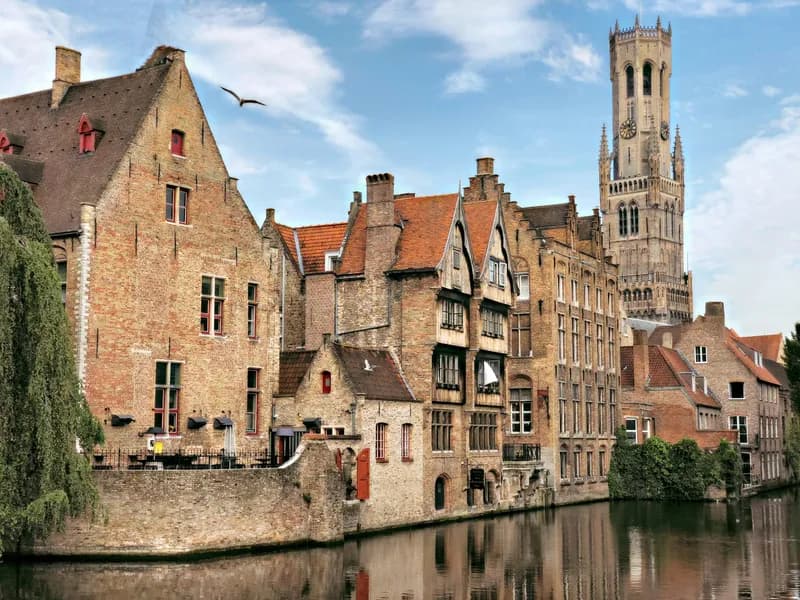
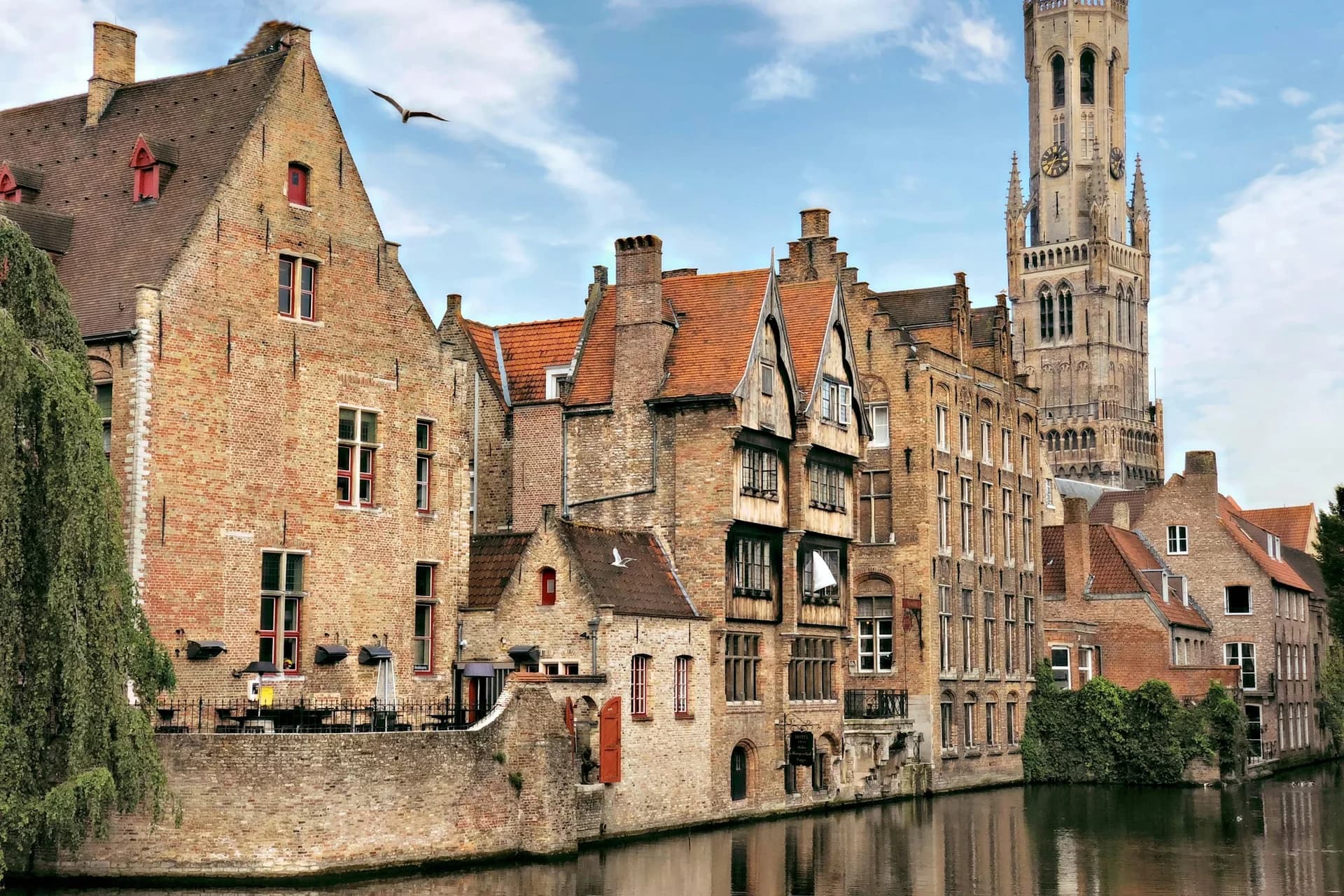
Across six years and every season, winter Bruges — late November through December, specifically — hits differently. The canals mirror strings of lights. The Markt fills with wooden market stalls pouring glühwein and stacking speculoos. The 366 steps of the Belfry? Some mornings, they're yours alone.
Why This Season Works
Bruges draws roughly 8 million visitors a year, most of them between April and September. Come December, the day-trip buses from Brussels thin out fast. The cobblestone streets that go shoulder-to-shoulder in July turn genuinely walkable — as in, you can stop and look up at a gabled facade without getting bumped.
The weather is cold, averages hovering around 3-5°C. It rains. Sometimes it sleets. But Bruges was built for this. The medieval buildings break the wind. The cafés run thick walls and candlelight. The whole city was engineered for hygge before the Danes ever trademarked the concept.
The Christmas Market
Bruges' Wintergloed festival runs from late November through early January. The main market spreads across the Markt (Market Square) and Simon Stevinplein. Expect:
- Glühwein stands: €4-5 for a mug of hot spiced wine. The mugs are festive and carry a €2 deposit — most people keep them as souvenirs
- Artisan food stalls: Belgian waffles (€4-6), braadworst (grilled sausage, €5), and jenever (traditional Belgian gin, €3-4 per shot)
- An ice skating rink on the Markt, with the Belfry tower looming above. Rental skates come with the ~€8 entry
- Light installations along the canals — the Wintergloed light trail runs about 2 km through the old town
The market peaks on weekends. Come Tuesday or Wednesday evening for the version worth remembering — warm lights, room to breathe.
The Weather (Straight Talk)
Temperature: 1-6°C. Sunrise around 8:30AM, sunset by 4:30PM. Short days, long evenings.
That's a feature, not a bug. Early darkness means the city lights come alive by mid-afternoon. Canal reflections at 5PM in December out-photograph anything you'll catch in flat summer daylight.
Rain is likely, so pack a waterproof jacket and shoes with grip — those cobblestones turn slippery. Skip the umbrella in the narrow medieval lanes; you'll poke someone.
What to Do When It's Cold
Morning: Belfry Climb (With No Line)
The Belfry of Bruges — 366 steps, 83 meters, €14 entry. In summer the queue stretches 30-40 minutes. In December, you can walk straight in at 10AM on a Thursday. The narrow spiral staircase is tight in any season, but without a human traffic jam you can actually pause at the 47-bell carillon room and let the chimes land without someone breathing down your neck.
At the top, the winter view rewrites itself. Bare trees. Slate roofs edged with frost. The flat Flemish countryside running clean to the horizon. Beautiful in a stark, honest way.
Late Morning: De Halve Maan Brewery
The only active brewery in the old city center. Brugse Zot ("Bruges Fool") is the flagship — a crisp golden blonde that earns its place as a default Belgian beer. Guided tours run every hour from 11AM-4PM, cost €16, and include a rooftop view and a tasting glass. The 3 km underground beer pipeline to their bottling plant outside the city is one of the most Belgian facts you'll ever collect.
In winter the rooftop terrace is biting cold and the view is worth every second. Downstairs, the brasserie serves hearty Flemish stews — exactly what you want after standing in the wind.
Afternoon: Museum Crawl
The Brugge City Card (€32/48hrs or €38/72hrs) covers entry to 27 museums and attractions plus a canal boat ride. In summer, museums compete with the outdoors. In winter, museum-hopping is the move.
- Groeningemuseum (€14 without card): Jan van Eyck's 'Madonna with Canon van der Paele' and the finest collection of Flemish Primitives anywhere. Small museum — 90 minutes is plenty
- Choco-Story Chocolate Museum (€12): interactive chocolate history with live demonstrations and tastings. Combo tickets with the Belgian Beer Experience run €19
- Begijnhof: the 13th-century walled beguinage. In winter the tree-lined green goes bare and atmospheric. Benedictine nuns still live here. Free to walk the grounds; the small museum is €2
Evening: Beer and Chocolate
This is Bruges. Consider both a civic obligation.
For beer, skip the tourist bars on the Markt. Walk two blocks to 't Brugs Beertje on Kemelstraat — a legendary beer café with 300+ Belgian beers. Or try Cambrinus on Philipstockstraat for their beer-pairing menu. A local Brugse Zot at a proper café runs about €4-5.
For chocolate: The Chocolate Line by Dominique Persoone is the mad-scientist route (bacon chocolate, wasabi truffles). Dumon on Eiermarkt is the classic, no-gimmick pick. Budget €15-25 for a decent box of pralines.
Seasonal Food You Can't Get in Summer
Winter unlocks specific Belgian plates:
- Waterzooi: a creamy chicken or fish stew with vegetables, originally from Ghent but served all over Bruges. €16-20 at a good restaurant
- Stoofvlees/carbonade flamande: beef stewed in Belgian beer. The dish that explains why northern Europeans invented comfort food
- Speculoos: spiced shortcrust biscuits that appear everywhere in December. The fresh ones from bakeries bear no resemblance to the packaged kind
- Jenever: Belgian gin served in tulip glasses at traditional cafés. Try it at Herberg Vlissinghe — Bruges' oldest pub (since 1515). A glass costs €3-4
Crowd Levels (The Real Advantage)
Summer Bruges can feel suffocating. Canal boats queue for 20-30 minutes. The Markt goes standing-room-only. Horse-drawn carriage rides (€55/30 mins for up to 5 people) carry hour-long waits.
December Bruges runs differently. Canal boat rides close for the season in November, but everything else stays accessible without the madness. The Basilica of the Holy Blood on Burg Square — normally packed — is peaceful enough to actually take in the 12th-century Romanesque lower chapel. Walk the streets and you'll hear church bells instead of tour guides.
Sample Winter Weekend Itinerary
Saturday: Belfry climb (9:30AM) → Markt and Burg Square exploration → lunch at Den Dyver (Flemish beer cuisine) → Groeningemuseum (1:30PM) → Choco-Story (3:30PM) → Christmas market at sunset → dinner at De Bottelier
Sunday: Begijnhof morning walk → Minnewater (Lake of Love) → De Halve Maan brewery tour (11AM) → lunch at the brewery brasserie → old town shopping and chocolate hunting → evening jenever at Herberg Vlissinghe → waffle from a street vendor → train back to Brussels
Packing for Winter Bruges
Layers. The temperature bounces between indoor warmth and outdoor bite, so a waterproof outer layer is essential. Warm socks too — the cobblestones send cold straight through thin soles. Bring gloves for the Belfry climb, where the stone walls at the top run ice-cold. And a scarf, because standing on the Markt with wind cutting across that flat square is no joke.
Then comfortable shoes. Those cobblestones are unforgiving in any season, and wet winter cobblestones are an ankle-twist waiting to happen.
The Bottom Line
Bruges in summer is beautiful. Bruges in winter is magical. Christmas lights reflecting in the canals, the smell of glühwein and waffles drifting across a medieval square, the simple fact that you get to be in the city instead of being pushed through it — it's a completely different experience.
Book a Friday-to-Sunday trip in early December. Stay near the center — the walk from the train station is 15 minutes, fine in summer but miserable in freezing rain. Eat stew. Drink beer. Buy more chocolate than seems reasonable.
You won't regret a minute of it.
For more European winter inspiration, Salzburg transforms into a Christmas wonderland with atmospheric markets and fortress views. And if you're planning a broader trip, our complete Bruges travel guide covers the city in every season. Copenhagen is another capital where hygge culture thrives in the cold months.