
What Longtime Gili Locals Wish You Knew Before You Visit
What Longtime Gili Locals Wish You Knew Before You Visit
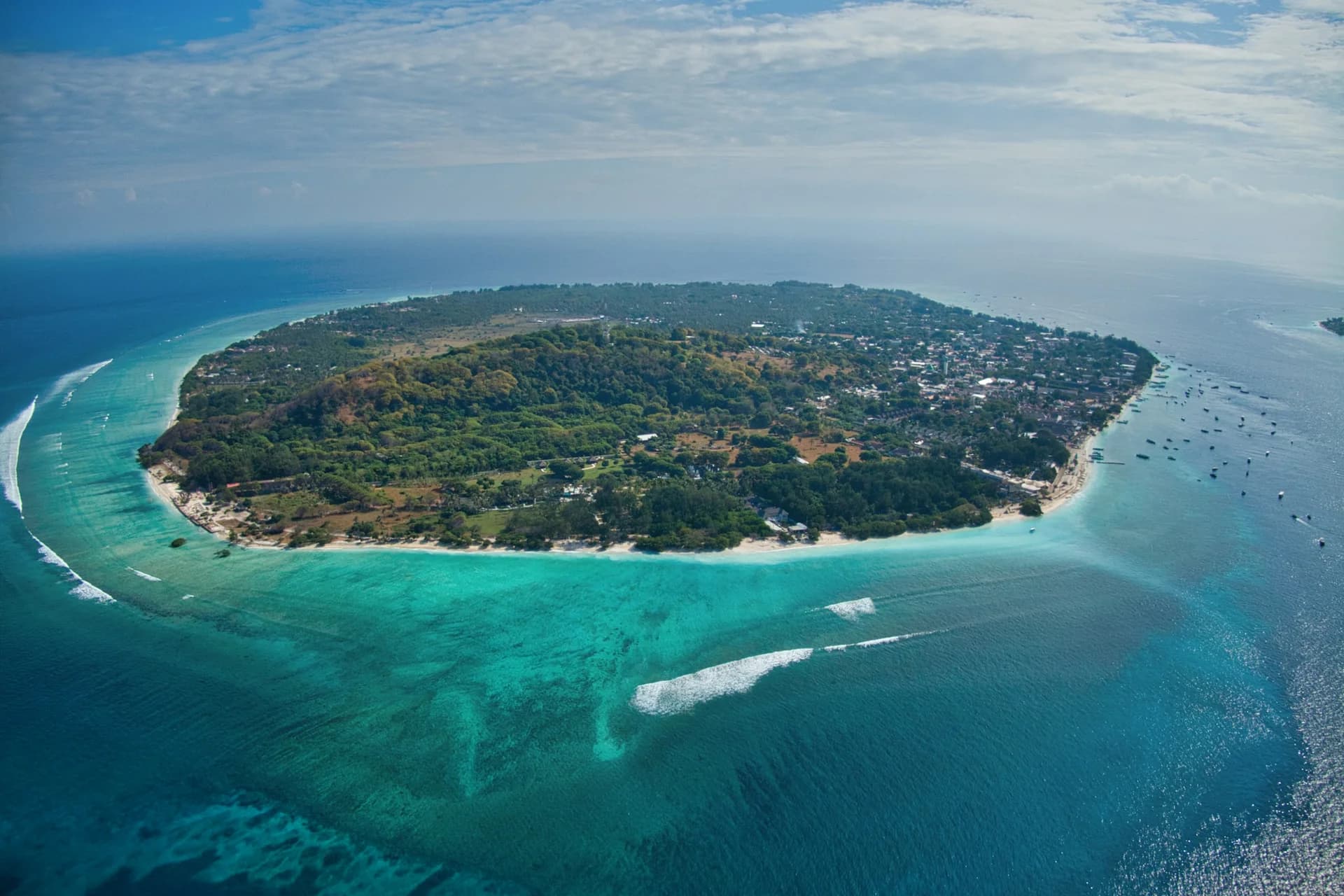
Spend enough time on the Gili Islands — most people's first taste of Indonesia beyond Bali — and you start to notice the gap between what tourists do and what people who actually live here do. The locals — the dive instructors, warung owners, boat crews, and Sasak families who've called these islands home for years — see the same avoidable mistakes on repeat. Here's the local knowledge that rarely makes it into a guidebook, distilled into what islanders will tell you if you ask.
Go snorkelling first thing, not after lunch
Ask any boat captain and they'll say the same thing: the morning is when the Gilis show off. The water is calmest and clearest just after sunrise, and that's when green and hawksbill turtles are most reliably feeding off Turtle Point — dawn is the golden hour for turtles anywhere, from here to the reefs of Borneo. By afternoon the wind picks up, visibility drops, and the crowds arrive. Locals snorkel at dawn and spend the hot afternoon in the shade. Do the same.
The turtles are wild — treat them that way
Everybody who works the reef here will tell you the golden rule: never touch or chase a turtle. They're wild animals, not a photo op, and chasing them stresses them and pushes them off the reef. Hang back, stay still, and let them come to you. The best encounters happen to the people who do the least.
Bring cash from the mainland — really
This is the tip locals repeat most, because they watch travellers get caught out weekly. The islands' few ATMs run empty constantly, especially on weekends and on Gili Meno and Gili Air, and they charge steep foreign-card fees. Many warungs and boat operators are cash-only, and card machines add a 3 to 5% surcharge when they work at all. Draw plenty of rupiah in Bali or Lombok before you cross, plus a buffer. An islander would never arrive relying on a card.
Respect the channel currents
The strait between the islands looks like a swimming pool and behaves like a river. Locals know the currents between Trawangan, Meno, and Air are deceptively strong, and they'll warn you never to swim across the channels. If you want to island-hop, take the public inter-island boat — a couple of scheduled runs daily, 35,000 to 100,000 IDR. Save the swimming for the sheltered reef straight off the beach.
Skip the "special" shakes — this one's serious
Some Gili Trawangan bars openly advertise magic-mushroom and "special" shakes. Ask anyone who's lived here a while and they'll tell you to walk past. Drugs are illegal in Indonesia and carry extremely harsh penalties, and — more immediately — spiked or over-strength drinks have led to tourist hospitalizations, with rare but real cases of methanol poisoning from cheap arak. There's no hospital on the island. Locals stick to sealed drinks from reputable venues, and so should you.
Gili Air is where locals actually hang out
Gili Trawangan gets the headlines, but ask island staff where they spend their day off and many say Gili Air. It's the closest island to Lombok, with a genuine Sasak-village feel, a ring road of warungs and yoga studios, and a fraction of Trawangan's crowds — plus the same white sand and easy reef snorkelling. If you want the Gilis without the party pitch, this is the local's choice.
Eat at the warungs, not just the beach bars
The best-value, most authentic food on the islands isn't on the sunset strip — it's at the simple warungs where locals eat, the same street-stall wisdom that rewards you in Bangkok. A plate of nasi campur or fresh grilled fish runs 30,000 to 60,000 IDR, a fraction of beach-bar Western prices. On Gili Trawangan, the harbour-front night market (Pasar Malam) does point-and-pick seafood BBQ for 40,000 to 90,000 IDR — locals rate it over the fancier kitchens for value.
The underwater statues are a low-tide, calm-morning secret
The ring of 48 submerged figures off Gili Meno is the archipelago's most photographed snorkel — but locals know it only looks magic under the right conditions. Go at low tide on a calm morning for clear water and clean photos. Turn up on a choppy afternoon and you'll wonder what the fuss was about.
Dress for the village, not just the beach
Islanders appreciate visitors who remember this is a devout Sasak Muslim community. On the beach, beachwear is fine. But walk inland — through the villages, past the harbour, near the mosques — and locals will quietly notice if you cover your shoulders and thighs. During Ramadan, be discreet with eating, drinking, and alcohol in daylight. Topless sunbathing is never acceptable. This small courtesy is the fastest way to earn a warmer welcome.
The cidomo question locals are divided on
The colourful horse-drawn carts are a Gili icon, but ask around and you'll find islanders themselves are increasingly split on them, given animal-welfare concerns about the horses working in the heat. Many locals and long-stay residents now walk or cycle instead — the islands are small enough that a bicycle (~50,000 IDR/day) gets you everywhere. It's worth knowing the debate exists before you hop on.
Come in the dry season if you can
Ask a boat operator when the islands are at their best and they'll point you to the dry season, May to September — calm seas, the clearest snorkelling visibility, and the smoothest crossings from Bali. The rainy months of December to February bring rougher water across the strait, which matters for a fast-boat ride and for reef visibility. Turtle sightings hold up year-round, so you won't miss the headline act whenever you come, but the locals know the water simply behaves better in the dry months.
Plan for no hospital, and insure for evacuation
Here's the thing residents take seriously that visitors often don't: there is no police station and no proper hospital on any of the three islands, only small clinics that stabilize and evacuate serious cases to Lombok or Bali. Islanders live with that reality by being careful — respecting the currents, avoiding the dodgy shakes, and keeping valuables in a safe. Do the visitor equivalent: carry travel insurance that specifically covers medical evacuation, and don't take risks you'd shrug off somewhere with an emergency room around the corner.
What visitors get most wrong
If there's one thing longtime residents wish tourists understood, it's this: the Gilis aren't a party destination that happens to have beaches — they're a fragile reef ecosystem that happens to have a few bars. The people who leave loving these islands are the ones who snorkel gently, buy from local warungs, respect the currents and the culture, and slow down to island pace. Come with that mindset and the locals will meet you halfway — and point you to the quiet stretch of reef the day-trippers never find.


