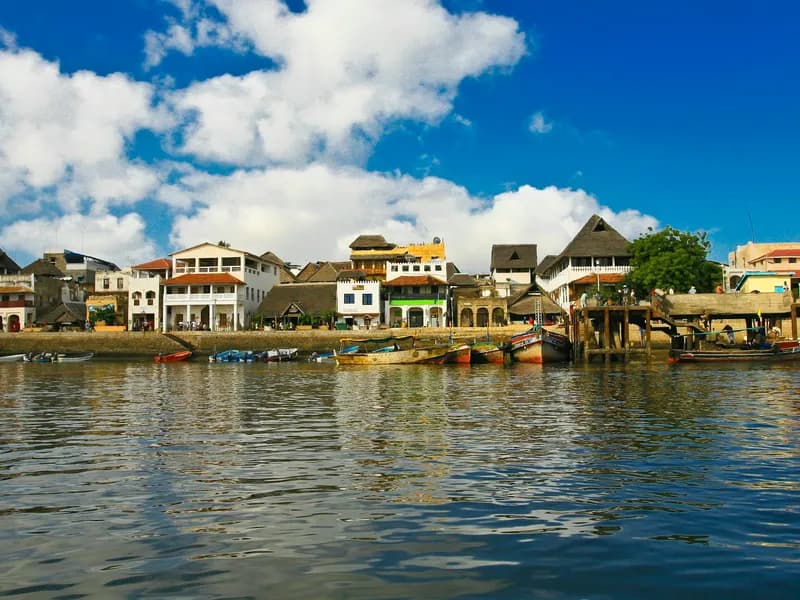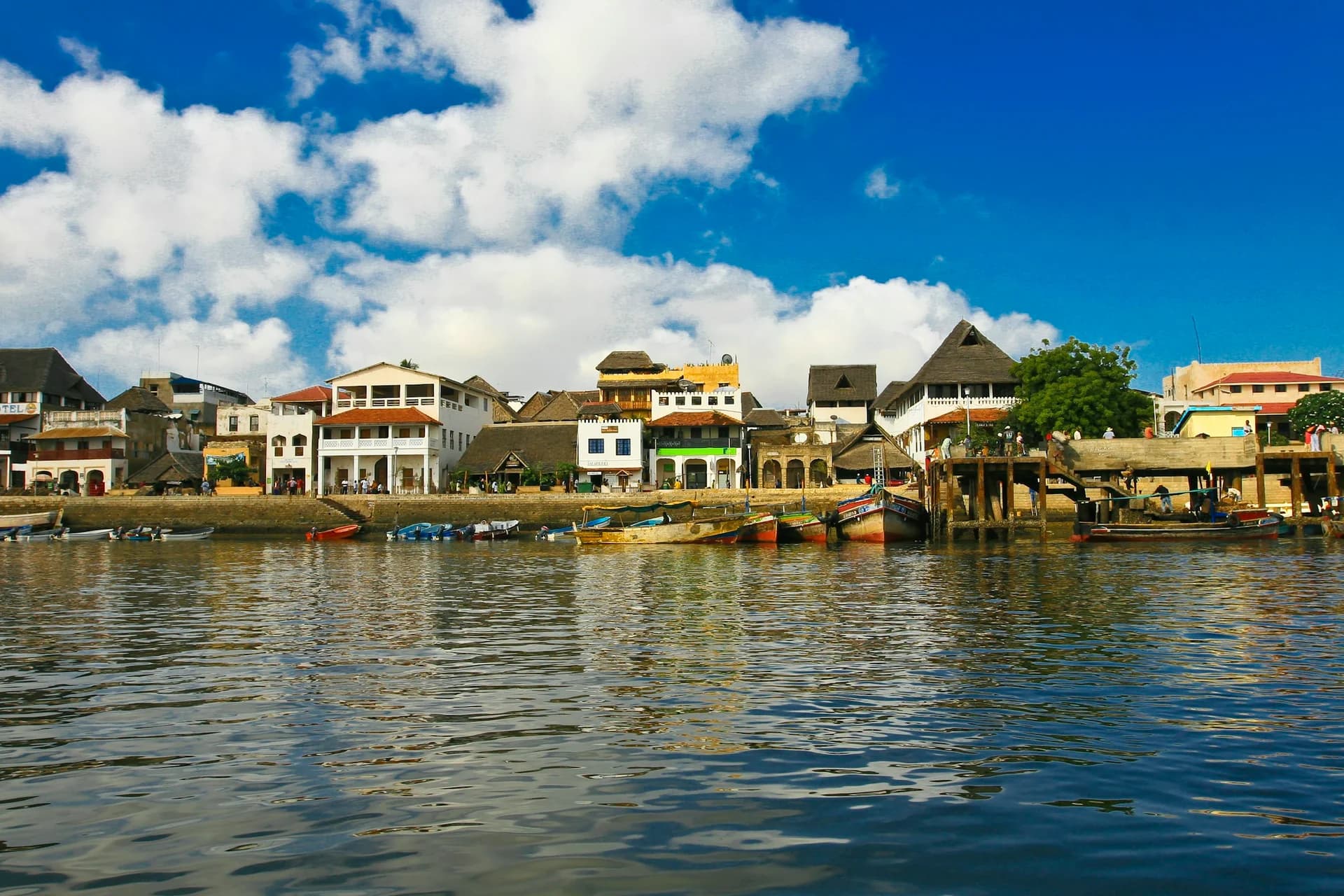
Lamu in Monsoon Season: Why June Through October Has a Magic the Dry Season Misses
Lamu in Monsoon Season: Why June Through October Has a Magic the Dry Season Misses
Every guidebook points you toward Lamu from January to March or July to October — the dry seasons. And the January-March window is genuinely excellent: calm seas, hot weather, reliable sunshine. But here's what those guidebooks skip past: July through October, which technically falls in a drier period after the long rains, offers something the peak months can't. Atmosphere.
Visit Lamu in February at the height of peak season and it delivers exactly what's promised. Visit in late September, at the tail end of the Kusi monsoon, and something shifts. Not the weather — which is admittedly more unpredictable — but everything else.
The Weather Reality
The Kusi (southeast) monsoon blows from roughly June through October. In Lamu, that means stronger winds, occasional afternoon rain showers, and choppier seas. Temperatures stay warm: 25-30°C. The humidity drops compared to the March-May heavy rains.
The rain, when it arrives, is typically a short afternoon burst — 30 minutes of dramatic downpour, then sunshine. Duck into a cafe, order a cup of spiced tea, and watch the rain hammer the coral-stone alleys. Forty minutes later you step back out into fresh, cool air and puddles mirroring the sky.
The mornings are reliably clear. The sunsets — amplified by monsoon clouds — are spectacular. The kind of sky that photographers call "dramatic" and weather apps call "partly cloudy."
The Crowds (or Lack Thereof)
Peak season Lamu is manageable — it's never Bali or Santorini crowded — but in September, the island turns genuinely quiet. Shela Beach, the stunning 12 km stretch of white sand backed by dunes, might hold a dozen people during a morning walk. In February, that same stretch carries fifty or sixty.
Guesthouses in Lamu Town drop their rates by 20-40% outside peak season. A beautiful Swahili-style guesthouse with carved wooden doors and a rooftop terrace runs 2,500 KES/night ($19) in the quiet months. In February, the same room is 4,000 KES.
Dhow sailing trips are easier to book and cheaper — 3,000 KES per person instead of 5,000, with fewer boats on the water.
The Maulidi Festival
The single biggest reason to time a monsoon-season visit: Lamu's famous Maulidi festival, celebrating the Prophet Muhammad's birthday. The exact dates shift with the Islamic calendar, but it often falls between September and November.
Maulidi transforms the island. Donkey races on the waterfront. Dhow regattas in the channel. Henna painting, Swahili poetry competitions, and processions through the narrow alleys of the Old Town. It's one of East Africa's most significant cultural events, drawing pilgrims and visitors from across the Swahili coast.
Book accommodation well in advance for Maulidi — despite the "off-season" label, the island fills completely during the festival. The atmosphere runs electric: joyful, communal, and deeply rooted in traditions observed on Lamu for centuries.
Monsoon Light and Photography
The monsoon brings a quality of light the dry season can't match. Clouds create contrast. Post-rain surfaces gleam. The golden hour stretches longer, with clouds catching color from horizon to zenith.
Lamu Old Town — already one of the most photogenic places in East Africa, with its narrow coral-stone alleys, intricately carved wooden doors, and hidden courtyards — looks extraordinary under monsoon light. The wet stone glows. The doorway carvings cast deeper shadows. The donkeys look even more philosophical than usual (they always look philosophical).
For photography, the morning hour after a night rain is pure gold. The alleys are damp, the light is soft, and the town is just waking up.
What to Wear
Light, modest clothing. Lamu is a conservative Muslim island — cover shoulders and knees in town (both genders). Swimwear is fine on Shela Beach but not in the Old Town streets.
A light rain jacket or a quick-dry layer handles the afternoon showers. Waterproof sandals or shoes earn their place — the alleys can flood briefly during heavy rain. Heavy rain gear stays in the bag, though. This isn't UK drizzle — it's tropical bursts followed by sunshine.
The Dhow Sailing Advantage
The Kusi monsoon wind is actually ideal for traditional dhow sailing. These boats were built for monsoon conditions — they've sailed the Indian Ocean on monsoon winds for a thousand years. A half-day sailing trip (3,000-5,000 KES) with snorkeling stops and fresh seafood grilled on a sandbank stays perfectly viable in July-October, just with more wind in the sails.
The sunset cruises in monsoon season run dramatic — the wind pushes you along at a satisfying clip, and the sky performance leaves a clear-sky sunset far behind.
The Food
Lamu's food doesn't change with the season, and that's fine, because it's excellent year-round. Swahili fish curry with coconut rice and chapati at a local restaurant: 400-600 KES. Fresh lobster and crab from the fishermen: surprisingly affordable. The spiced Lamu coffee — cardamom, ginger, sometimes cloves — is the finest way to start a monsoon morning.
The Lamu food scene is small but focused. A few waterfront restaurants, several local spots in the back alleys, and the guesthouses that serve home-cooked Swahili meals. Don't miss the Lamu-style biryani — it's different from Indian biryani, with more coconut and a sweeter spice profile.
Sample Monsoon Season Itinerary
Day 1: Fly from Nairobi or Mombasa to Manda Airport (LAU). Motorboat to Lamu Town (200-500 KES). Check into a guesthouse. Afternoon wander through the Old Town. Sunset from the waterfront.
Day 2: Morning: guided walking tour of Lamu Old Town (1,000-1,500 KES for 2 hours). Lamu Fort museum (500 KES). Afternoon: walk or boat to Shela Beach. Swim. Read. Exist.
Day 3: Full-day dhow sailing trip. Snorkeling, sandbank lunch, Manda Toto island. Afternoon rain shower from the boat deck (dramatic but warm).
Day 4: Morning: Lamu Donkey Sanctuary (free, donations welcome). Afternoon: wander the back alleys, photograph doors, drink spiced coffee. Evening: seafood dinner at a waterfront restaurant.
Day 5: Walk the waterfront path from Lamu Town to Shela (40 minutes). Spend the day on Shela Beach. The 12 km beach is enormous — walk until you're alone. The dunes behind Shela are surreal.
The Honest Downsides
Fair is fair. Monsoon season in Lamu comes with trade-offs:
- Choppier seas mean snorkeling visibility can drop from 20 meters to 10-15 meters.
- Some dhow trips get cancelled in very rough conditions (rare but possible).
- The afternoon showers can disrupt outdoor plans for an hour.
- Mosquitoes are more active in the wetter months — use DEET and sleep under nets.
These are minor inconveniences, not dealbreakers. And they're more than repaid by the lower prices, emptier beaches, better light, and the chance of catching the Maulidi festival.
The Bottom Line
Peak season Lamu is wonderful. Monsoon season Lamu is magical. The island works in both modes, but the monsoon version — windswept, atmospheric, uncrowded — feels like the more authentic one. The dhows were built for this wind. The town was built for this light. And you were built for a week without a schedule on a car-free island where the biggest decision is which carved door to photograph next.
For the architectural deep dive, read our guide to Lamu's Swahili architecture and history. Our 14-question Lamu FAQ covers the practical logistics. And Zanzibar's Stone Town offers a sister Swahili experience.