
Lamu
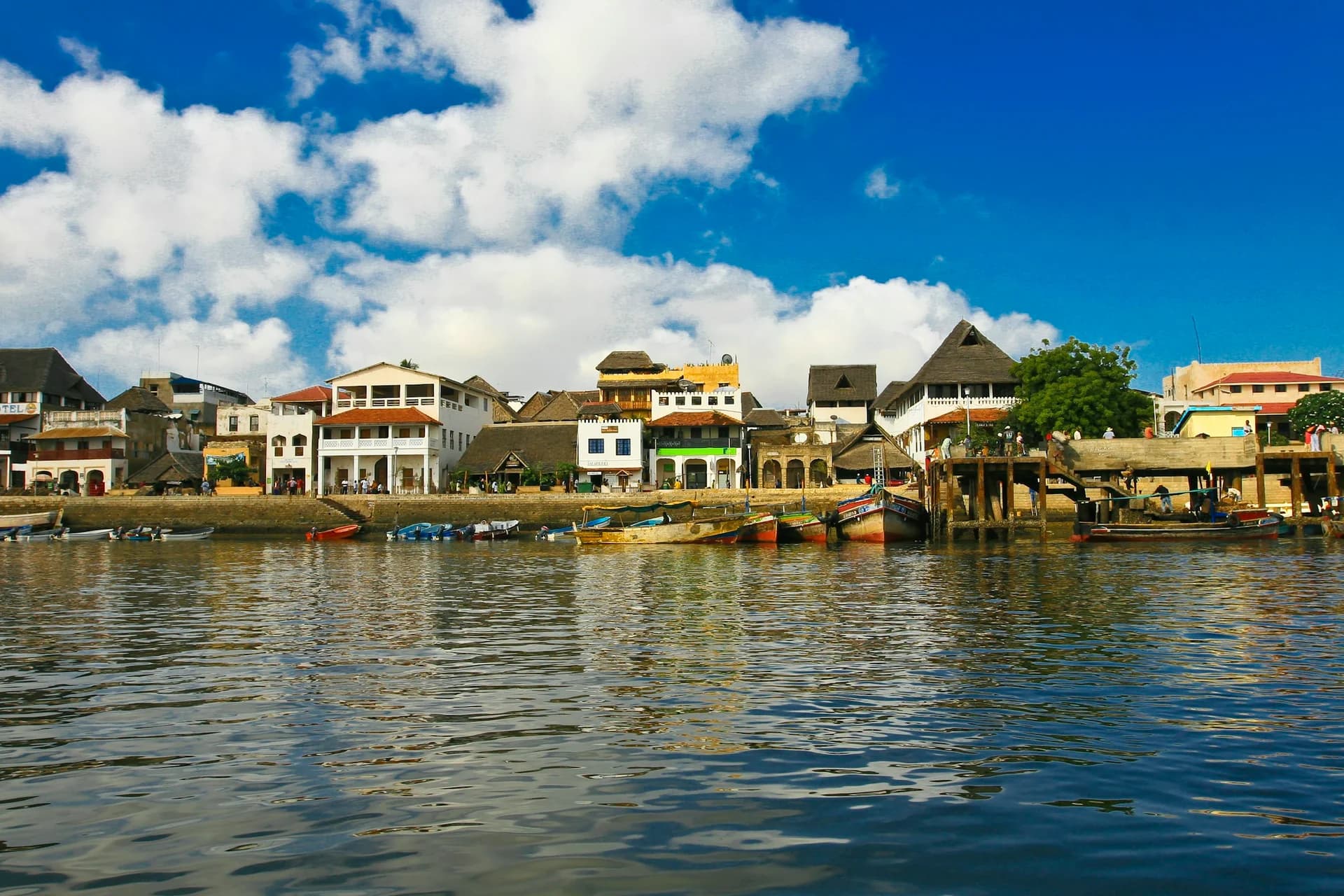
Photo: Stanislav Lvovsky / Unsplash
Key Facts
Best Time to Visit
July to October and January to March (dry seasons); avoid April-June heavy rains
Language
Swahili (primary), English; Lamu dialect of Swahili (Kiamu)
Currency
Kenyan Shilling (KES)
Time Zone
EAT (UTC+3)
Airport
Manda Airport (LAU) — on neighboring Manda Island, short boat ride to Lamu Town
Population
~25,000 (Lamu Town)
Climate
Tropical maritime; hot and humid year-round, avg 25-33°C; monsoon rains Apr-Jun
Safety Rating
Exercise Increased Caution (Level 2) — Lamu island itself is safe; avoid mainland areas near Somali border
UNESCO Status
Lamu Old Town is a UNESCO World Heritage Site since 2001 — oldest Swahili settlement in East Africa
Top Highlights
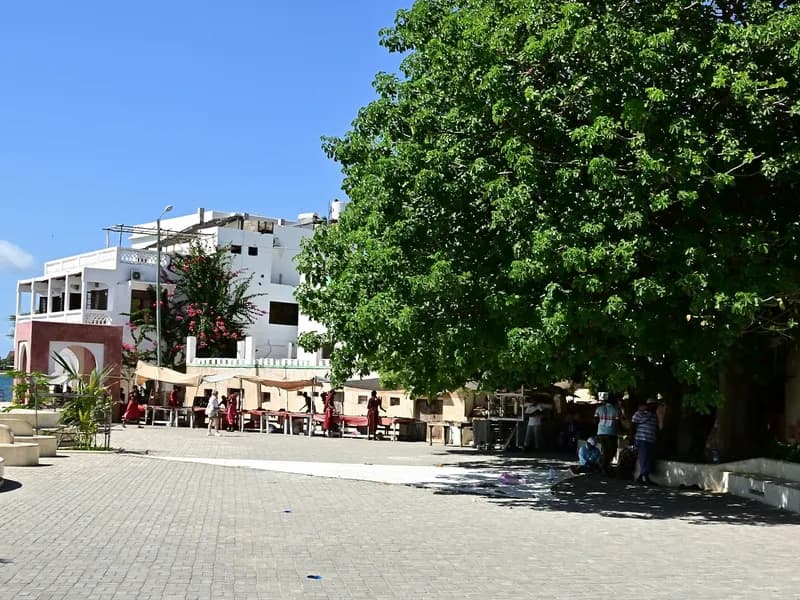
Lamu Old Town
A UNESCO World Heritage Site and the oldest continuously inhabited Swahili settlement in East Africa. Narrow coral-stone alleys, intricately carved wooden doors, and hidden courtyards. No cars — only foot traffic and donkeys. Hire a local guide (~1,000-1,500 KES for 2 hours) to unlock the stories behind the architecture.
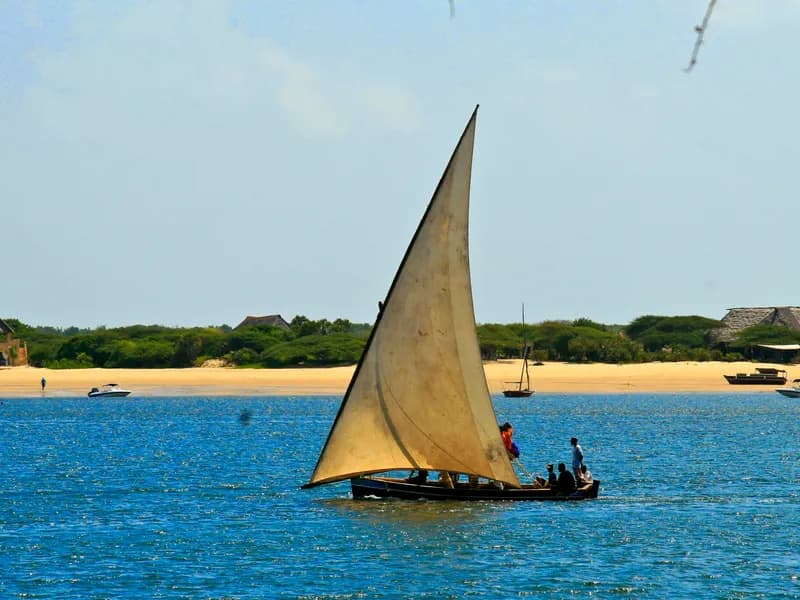
Dhow Sailing
Traditional wooden dhows have sailed these waters for centuries. Half-day sailing trips cost 3,000-5,000 KES per person, including snorkeling stops and a fresh seafood lunch grilled on a sandbank. Sunset cruises are magical. Full-day trips visit Manda Toto island or the mangrove channels.
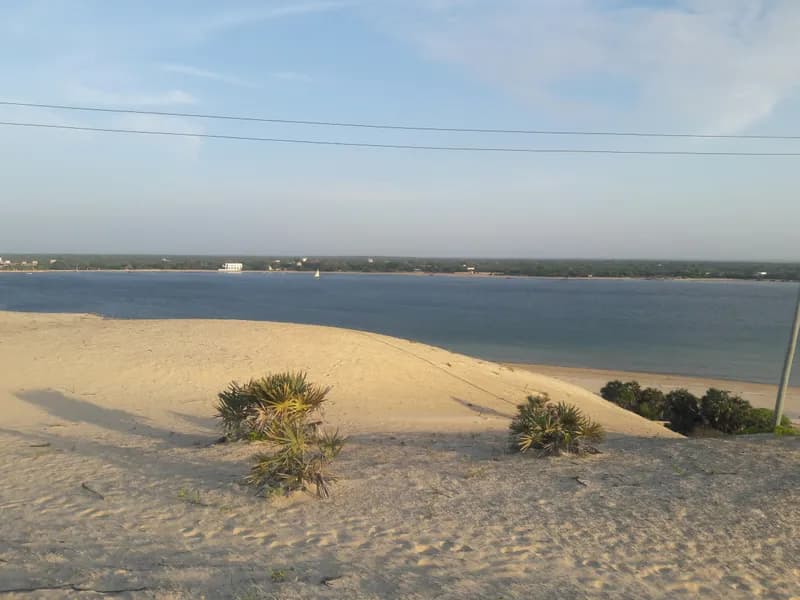
Shela Beach
A stunning 12 km stretch of white sand backed by dunes, just a 40-minute walk or short boat ride from Lamu Town. Far less crowded than Kenya's coastal beaches. Swimming is safe and the water is bathtub-warm. The village of Shela has upscale guesthouses and the 19th-century Friday Mosque.
Lamu Fort
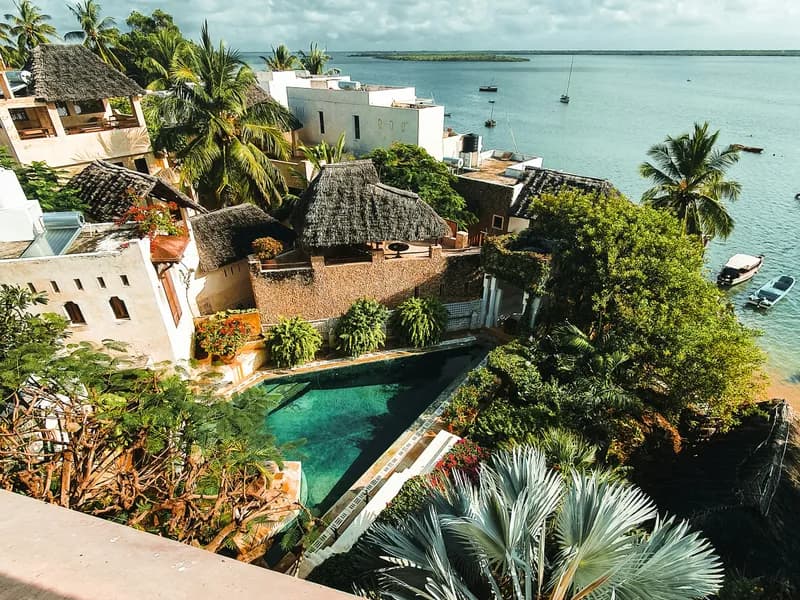
Built in 1821 by the Sultan of Oman, this massive coral-stone fortress now houses the island's main museum with exhibits on Swahili culture, dhow building, and Lamu's history. Entry: 500 KES for non-residents. The rooftop offers panoramic views of the waterfront. Allow 1 hour.
Lamu Donkey Sanctuary
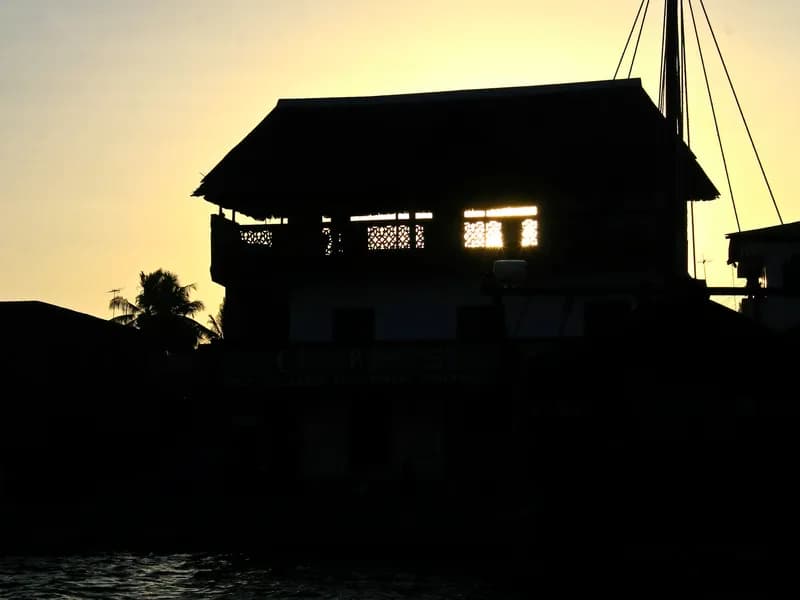
A heartwarming sanctuary caring for the island's working donkeys (Lamu has ~3,000 donkeys — the island's only transport). Run by a charity, free entry (donations welcome). Learn about the donkeys' vital role in island life. Kids love it. Located near the waterfront, allow 30-45 minutes.
Lamu Cultural Festival (Maulidi)
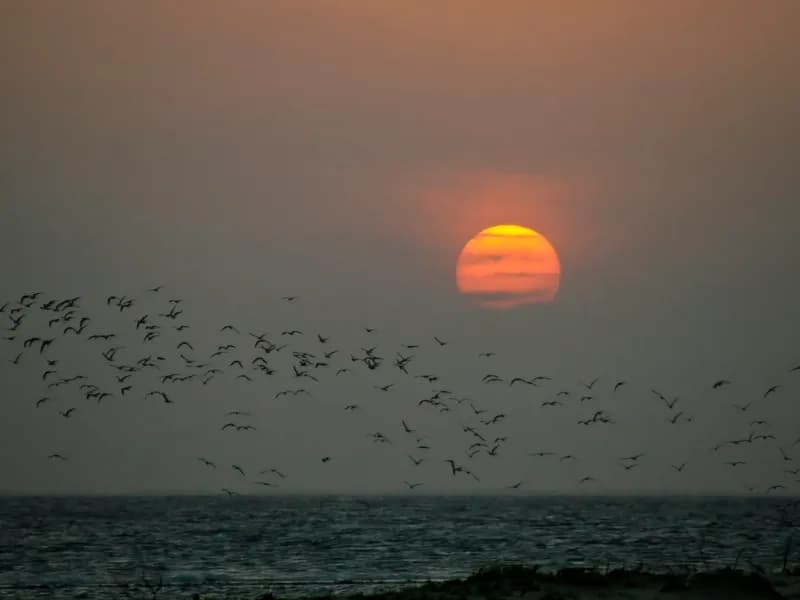
The annual Maulidi celebration of the Prophet's birthday (dates shift with Islamic calendar) transforms the island with donkey races, dhow regattas, henna painting, and Swahili poetry competitions. One of East Africa's most vibrant cultural events. Book accommodation well in advance — the island fills completely.
Planned Itinerary
7-Day Lamu Itinerary
Arrival on Lamu Island
Fly into Manda Airport (LAU) on Safarilink or Fly540 from Nairobi (~$120-200 one way). A short motorboat crosses to Lamu Town (200-500 KES). No cars on the island — just footsteps and donkeys.
Flight and boat transfer to Lamu Town(2 hours)
From LAU airport on Manda Island, motorboat to Lamu Town waterfront (200-500 KES, 10 minutes). Your bags will be carried by hand or donkey to your guesthouse
Check into Lamu guesthouse(1 hour)
Lamu House Hotel (~$80-150/night) or Amu House (budget ~$25-40). In the old town, every riad-style guesthouse has carved Swahili doors and rooftop terraces
First walk through Lamu Old Town(1.5 hours)
UNESCO World Heritage — the oldest continuously inhabited Swahili settlement. Narrow coral-stone alleys, intricately carved wooden doors, donkeys everywhere. Get lost — the town is small enough to find your way back
Dinner at Whispers Coffee Shop(1.5 hours)
Swahili fish curry with coconut rice, fresh lime juice. 400-700 KES. On the waterfront with dhow views. Try the Swahili coffee — spiced with cardamom and ginger
Old Town Heritage & Lamu Fort
Deep dive into Lamu's Swahili heritage with a local guide. Fort, museum, and the donkey sanctuary.
Guided walking tour of Lamu Old Town(2 hours)
Hire a guide at the fort (~1,000-1,500 KES for 2 hours). They unlock the stories behind the carved doors — each pattern tells a family's status and origin. Visit hidden courtyards and the mosque quarter
Lamu Fort museum(1 hour)
Built in 1821 by the Sultan of Oman. Entry 500 KES for non-residents. Exhibits on Swahili culture, dhow building, and Lamu history. Rooftop has panoramic waterfront views
Lamu Donkey Sanctuary(45 minutes)
Free entry (donations welcome). Caring for the island's 3,000 working donkeys. Heartwarming and educational
Lunch at Bush Gardens(1 hour)
Hidden rooftop restaurant in the old town. Swahili biryani 350-500 KES. The views over the rooftops are excellent
Sunset from the waterfront(1 hour)
Walk along the waterfront promenade as the dhows return. The light turns the coral stone buildings golden. Swahili coffee from a waterfront stall
Dhow Sailing & Sandbank Lunch
The quintessential Lamu experience — sail on a traditional dhow through turquoise waters with a fresh seafood lunch on a sandbank.
Half-day dhow sailing trip(5 hours)
3,000-5,000 KES per person. Traditional wooden dhow with Swahili crew. Sail to snorkeling spots and a sandbank. Fresh fish, crab, and lobster grilled on the sand. Cold drinks from the cooler. Wind, waves, and zero phone signal
Afternoon rest(2 hours)
The heat and the sea demand a nap. Most guesthouses have cool ground-floor rooms or shaded rooftop lounges
Evening walk to Shela village(1 hour)
Walk along the waterfront path (40 minutes) or take a motorboat (200-300 KES, 10 minutes). Shela is the upscale end of the island — boutique stays and the 19th-century Friday Mosque
Shela Beach Day
A full day on Shela Beach — 12 km of pristine white sand backed by massive dunes. One of East Africa's most beautiful beaches.
Walk to Shela Beach(30 minutes)
From Shela village, walk through the dunes to the beach. Or from Lamu Town, it's a 40-minute waterfront walk
Beach morning(3 hours)
12 km of white sand, virtually empty on weekdays. Bathtub-warm Indian Ocean water. Safe swimming. The dune backdrop is dramatic
Lunch at Peponi Hotel(1.5 hours)
Legendary Shela institution overlooking the channel. Grilled barracuda, lobster salad. Mains 800-1,500 KES. The terrace is the most coveted lunch spot on the island
Afternoon dune climbing(1.5 hours)
The massive sand dunes behind Shela Beach offer views over the island, the ocean, and the channel. The sunset from the top is spectacular
Rest Day — Swahili Slow Life
A day with no agenda. Read on a rooftop, eat Swahili food, watch dhows. The island rhythm demands surrender.
Morning on the rooftop(2 hours)
Most guesthouses have rooftop terraces. Coffee, fruit, and the call to prayer over the rooftops. The pace here is medicine
Swahili cooking experience(3 hours)
Some guesthouses offer cooking sessions — learn to make pilau, biryani, and Swahili fish curry with coconut and tamarind. ~1,000-2,000 KES
Afternoon at the Lamu Museum of Swahili Culture(1 hour)
Near the fort. Exhibits on traditional Swahili life — navigation, medicine, music, and the siwa (brass horn used in ceremonies). Entry 500 KES
Sunset seafood dinner(1.5 hours)
Fresh lobster or crab from the waterfront fishermen. Arrange through your guesthouse for the best price — 1,000-2,000 KES for a whole lobster dinner
Manda Island & Mangrove Channels
Explore neighboring Manda Island — Takwa ruins and the mangrove channels by boat.
Boat to Manda Island and Takwa Ruins(3 hours)
Motorboat across the channel (500-1,000 KES round trip). Takwa is an abandoned Swahili town dating to the 15th century, engulfed by sand dunes. Entry ~500 KES. Eerie and atmospheric
Mangrove channel boat trip(1.5 hours)
Navigate the narrow channels between mangrove forests. Kingfishers, herons, and sometimes dolphins in the wider channels
Lunch on Manda Beach(1 hour)
Some boat operators prepare lunch on a quiet Manda beach. Otherwise bring a packed lunch from Lamu
Return and evening free(2 hours)
Back to Lamu Town. Browse the waterfront craft shops — Swahili furniture, model dhows, and kikoi cloth
Departure from Lamu
Final morning on the island. Last walk, last Swahili coffee, then boat to the airport.
Early morning old town walk(1 hour)
Lamu at dawn — fishermen preparing nets, the bread baker firing the clay oven, donkeys loaded for the day's work. The island at its most authentic
Last souvenir shopping(1 hour)
Swahili carved doors (miniature replicas), kikoi cloth (500-1,500 KES), and model dhows. The woodcarvers near the fort do custom work
Boat to Manda Airport and departure(1 hour)
Motorboat to LAU airport (200-500 KES). Small airport — arrive 1 hour before your flight. Safarilink and Fly540 to Nairobi or Mombasa
14-Day Lamu Itinerary
Arrival on Lamu Island
Fly to Manda Airport (LAU) from Nairobi. Motorboat to Lamu Town. No cars — just footsteps and donkeys.
Flight and boat transfer(2 hours)
Safarilink or Fly540, $120-200. Motorboat from LAU to Lamu Town 200-500 KES
Check into guesthouse(1 hour)
Lamu House Hotel (~$80-150) or Amu House (~$25-40). Carved Swahili doors, rooftop terraces
First Old Town walk(1.5 hours)
UNESCO site. Coral-stone alleys, carved doors, donkeys. Get pleasantly lost
Dinner at Whispers(1.5 hours)
Swahili fish curry, coconut rice 400-700 KES. Waterfront dhow views
Old Town Heritage & Fort
Guided deep dive into Swahili heritage.
Guided walking tour(2 hours)
Guide ~1,000-1,500 KES. Carved door symbolism, hidden courtyards, mosque quarter
Lamu Fort museum(1 hour)
1821. Entry 500 KES. Swahili culture, dhow building. Rooftop views
Donkey Sanctuary(45 minutes)
Free (donations). 3,000 donkeys cared for
Lunch at Bush Gardens(1 hour)
Rooftop. Swahili biryani 350-500 KES
Waterfront sunset(1 hour)
Dhows return. Coral stone turns golden. Swahili coffee
Dhow Sailing & Sandbank
Sail on a traditional dhow. Seafood grilled on a sandbank.
Half-day dhow trip(5 hours)
3,000-5,000 KES. Snorkeling, sandbank lunch. Fish, crab, lobster grilled on sand
Afternoon rest(2 hours)
The heat demands it
Evening walk to Shela(1 hour)
Waterfront path 40 min. Or motorboat 200-300 KES
Shela Beach Full Day
12 km of pristine white sand backed by massive dunes.
Beach morning(3 hours)
White sand, warm water, virtually empty weekdays
Lunch at Peponi Hotel(1.5 hours)
Legendary terrace. Grilled barracuda 800-1,500 KES
Dune climbing(1.5 hours)
Massive dunes behind the beach. Sunset views
Rest Day — Swahili Slow Life
No agenda. Rooftop reading, cooking, dhow watching.
Rooftop morning(2 hours)
Coffee, fruit, call to prayer. The pace is medicine
Swahili cooking class(3 hours)
Pilau, biryani, fish curry. ~1,000-2,000 KES
Museum of Swahili Culture(1 hour)
Navigation, medicine, music. Entry 500 KES
Sunset lobster dinner(1.5 hours)
From waterfront fishermen. 1,000-2,000 KES for whole lobster
Manda Island & Mangroves
Explore Takwa ruins and mangrove channels by boat.
Boat to Takwa Ruins(3 hours)
500-1,000 KES round trip. Abandoned 15th-century Swahili town. Entry ~500 KES
Mangrove channel boat trip(1.5 hours)
Kingfishers, herons, dolphins in wider channels
Return and craft shopping(2 hours)
Waterfront shops — Swahili furniture, model dhows, kikoi cloth
Full Day Dhow Excursion
Full-day dhow trip to more distant islands and snorkeling spots.
Full-day dhow sailing(7 hours)
5,000-8,000 KES per person. Visit Manda Toto island, deeper snorkeling reefs, secluded beaches. Crew cooks seafood lunch on a sandbank. The full day gives time to sail properly rather than motor
Snorkeling at outer reef(1.5 hours)
Clearer water and more diverse coral than near the main island. Bring underwater camera
Return and quiet evening(2 hours)
Exhausted from sun and sea. Light dinner at the guesthouse
Rest Day — Lamu Rhythms
A day of complete rest. Let the island set the pace.
Morning swim at Shela(2 hours)
Walk or boat to the beach. Swim, then dry in the sun
Afternoon henna painting(1.5 hours)
Lamu women are expert henna artists. Ask at your guesthouse — 500-1,500 KES for hands or feet. Intricate Swahili patterns
Rooftop sunset and dinner(2 hours)
Many guesthouses serve dinner on the roof. The call to prayer, the dhows, the stars appearing. Lamu at its purest
Pate Island Day Trip
Boat to Pate Island — further than Manda, with ancient Swahili ruins and a completely untouristy atmosphere.
Motorboat to Pate Island(2 hours)
~5,000-8,000 KES for private boat. Pate is further north and rarely visited. Ancient Swahili ruins predate Lamu
Pate town ruins walk(2 hours)
Crumbling walls of a once-powerful Swahili city-state. Guides available at the village. The ruins are overgrown and atmospheric
Siyu Fort(1 hour)
19th-century fort in the village of Siyu. One of the most impressive Swahili forts, rarely visited
Lunch in a Pate village(1 hour)
Simple meal arranged with a local family. Rice, fish, coconut. The hospitality is genuine
Woodcarving & Dhow Building
Explore Lamu's traditional crafts — woodcarving and dhow construction.
Dhow building observation(1.5 hours)
On the waterfront, craftsmen build traditional dhows using only hand tools. They shape boats from single tree trunks. Watch respectfully — they're usually happy to explain the process
Woodcarving workshop visit(1.5 hours)
Lamu's carved doors and furniture are famous. Visit the carvers near the fort. Commission a small piece — prices from 2,000 KES for a carved panel
Lunch at Hapa Hapa(1 hour)
Waterfront restaurant. Fresh seafood, Swahili dishes. 400-800 KES
Night walk through the old town(1 hour)
Lamu at night — oil lamps, the scent of incense from doorways, the muezzin's call, and the sound of the sea. Safe and atmospheric
Matondoni Fishing Village
Walk to Matondoni on the western side of Lamu island — a traditional fishing village where dhows are still built.
Walk to Matondoni(1.5 hours)
Flat, easy path through farms and bush. About 5 km from Lamu Town. Hire a guide or follow the path — well-marked
Matondoni village and dhow yard(2 hours)
More traditional than Lamu Town. Active dhow building yard. The fishermen are welcoming — ask before photographing
Lunch in Matondoni(1 hour)
Simple local meal arranged on the spot. Fish and rice
Walk back or boat return(1.5 hours)
Walk back via a different path or arrange a boat (~500 KES)
Rest Day — Free Time
Complete free day. You know the island intimately now.
Your Lamu routine(All day)
By day 12, you have your morning coffee spot, your preferred beach, your favorite dinner place. Follow your own rhythm
Optional: Visit the Riyadha Mosque(1 hour)
The most important mosque on the island, center of the annual Maulidi festival. Non-Muslims can usually visit outside prayer times — ask permission and dress modestly
Final Dhow Sunset & Farewell
One last dhow trip — this time a sunset cruise with the whole archipelago turning golden.
Morning at Shela Beach(3 hours)
Last long morning on the white sand. Swim, walk, dune-climb one final time
Lunch at Peponi(1.5 hours)
Return to the legendary terrace. Lobster this time
Sunset dhow cruise(2 hours)
2,000-3,000 KES. Sail the channel between Lamu and Manda. Sundowner drinks on the water. The sunset over the archipelago from a dhow is Lamu's greatest gift
Farewell dinner(1.5 hours)
Your best Swahili meal, repeated one final time
Departure from Lamu
Final morning. Last old town walk, boat to airport.
Dawn old town walk(1 hour)
Fishermen, bread bakers, donkeys. The island at its most authentic
Last souvenirs(45 minutes)
Carved door miniatures, kikoi cloth, model dhows
Boat to Manda Airport(1 hour)
Motorboat 200-500 KES. Arrive 1 hour before flight
21-Day Lamu Itinerary
Arrival on Lamu Island
Fly to Manda Airport (LAU). Motorboat to Lamu Town. Car-free island.
Flight and boat transfer(2 hours)
Safarilink $120-200. Motorboat 200-500 KES
Check into guesthouse(1 hour)
Lamu House (~$80-150) or Amu House (~$25-40)
First Old Town walk(1.5 hours)
UNESCO Swahili settlement. Coral alleys, carved doors, donkeys
Dinner at Whispers(1.5 hours)
Swahili fish curry 400-700 KES
Old Town Heritage & Fort
Guided Swahili heritage walk.
Guided tour(2 hours)
1,000-1,500 KES. Carved doors, courtyards, mosque quarter
Lamu Fort(1 hour)
1821. Entry 500 KES. Rooftop views
Donkey Sanctuary(45 minutes)
Free. 3,000 donkeys
Lunch at Bush Gardens(1 hour)
Rooftop. Biryani 350-500 KES
Dhow Sailing & Sandbank
Traditional dhow, snorkeling, seafood on sand.
Half-day dhow(5 hours)
3,000-5,000 KES. Fish grilled on sandbank
Shela Beach Full Day
12 km pristine white sand.
Beach morning(3 hours)
Empty weekdays. Warm water
Lunch at Peponi(1.5 hours)
Barracuda, lobster 800-1,500 KES
Dune climbing(1.5 hours)
Spectacular sunset views
Rest Day — Swahili Slow Life
No agenda. Cooking, museum, rooftop.
Cooking class(3 hours)
Pilau, biryani. ~1,000-2,000 KES
Swahili Culture Museum(1 hour)
500 KES
Lobster dinner(1.5 hours)
1,000-2,000 KES
Manda Island & Mangroves
Takwa ruins and mangrove channels.
Boat to Takwa(3 hours)
500-1,000 KES. 15th-century ruins
Mangrove channels(1.5 hours)
Kingfishers, herons, dolphins
Full Day Dhow to Outer Islands
Full-day sailing to Manda Toto and deeper reefs.
Full-day dhow(7 hours)
5,000-8,000 KES. Secluded beaches, deeper reefs. Crew cooks lunch
Rest Day
Complete rest. Island rhythm.
Henna painting(1.5 hours)
500-1,500 KES for hands/feet
Pate Island Expedition
Ancient Swahili ruins. Rarely visited.
Motorboat to Pate(2 hours)
5,000-8,000 KES private boat
Pate town ruins(2 hours)
Pre-Lamu Swahili city-state
Siyu Fort(1 hour)
19th-century. Rarely visited
Woodcarving & Dhow Building
Traditional crafts day.
Dhow building observation(1.5 hours)
Waterfront craftsmen shape boats from tree trunks
Woodcarving workshop(1.5 hours)
Carved panels from 2,000 KES
Lunch at Hapa Hapa(1 hour)
400-800 KES
Night walk old town(1 hour)
Oil lamps, incense, the muezzin
Matondoni Fishing Village
Walk to the traditional western village.
Walk to Matondoni(1.5 hours)
5 km through farms
Village and dhow yard(2 hours)
Active dhow building. Welcoming fishermen
Fly to Mombasa — Coast Extension
Fly to Mombasa for the Kenya coast. Old Town, Fort Jesus, and Diani Beach.
Flight Lamu to Mombasa(1 hour)
Safarilink ~$100-150
Mombasa Old Town walk(2 hours)
Swahili architecture similar to Lamu but larger. Narrow streets, carved doors, mosques
Fort Jesus(1.5 hours)
UNESCO World Heritage Portuguese fort. Entry 1,200 KES non-residents. Excellent museum
Dinner at Tamarind(1.5 hours)
Mombasa's finest restaurant. Waterfront. Seafood, Swahili dishes. 1,500-3,000 KES
Diani Beach
Kenya's premier beach resort. White sand, warm water, water sports.
Transfer to Diani Beach(1.5 hours)
Ferry across Likoni then 30 km south. Or Bolt
Check into Diani hotel(30 minutes)
Diani Reef (~$100-150) or Flamboyant (~$50-80)
Beach day(4 hours)
White sand, coral lagoon, warm water. Kite surfing, snorkeling available
Sunset dinner at Ali Barbour's Cave(2 hours)
Restaurant inside a coral cave. Seafood by candlelight. 2,000-4,000 KES. One of Kenya's most unique dining experiences. Book ahead
Diani Rest Day
Full beach day and rest.
Morning snorkeling(2 hours)
Rent gear from beach operators. ~500 KES. Reef fish, turtles
Colobus monkey conservation(1 hour)
Colobus Conservation. Tour of the sanctuary protecting the endangered Angolan colobus. ~1,000 KES
Wasini Island & Dolphin Trip
Boat trip to Wasini Island for dolphins and snorkeling at Kisite Marine Park.
Boat to Kisite Marine Park(5 hours)
~4,000-6,000 KES all-inclusive from Shimoni. Dolphins almost guaranteed. Snorkeling on pristine reefs. Seafood lunch on Wasini Island
Wasini Island walk(1 hour)
Small coral island with mangroves and a Swahili village
Return to Lamu
Fly back to Lamu for the final stretch.
Flight to Lamu(1 hour)
Safarilink
Return to your Lamu guesthouse(30 minutes)
The relief of returning to the car-free island after Mombasa traffic
Quiet evening walk(1.5 hours)
Return to your favorite spots. The island welcomes you back
Rest Day — Lamu Homecoming
Settle back into island rhythm.
Morning at favorite cafe(2 hours)
You know exactly where to sit and what to order
Deep Dive — Swahili Language & Culture
Spend a day with local families learning Swahili phrases and cultural traditions.
Swahili language session(2 hours)
Some guesthouses arrange basic Kiswahili lessons. ~1,000-2,000 KES. Learn greetings, market phrases, and Lamu-specific dialect (Kiamu)
Visit a traditional Swahili home(1.5 hours)
Arranged through your guesthouse. See the interior architecture — niches, carved plaster, the baraza (sitting area)
Lunch at a local food stall(1 hour)
Beans, chapati, and chai. 200-400 KES. The food locals eat daily
Evening on the waterfront(2 hours)
Your waterfront spot. The dhow traffic, the sunset, the evening prayer. You belong here now
Final Dhow Trip — Sunset Sail
One last beautiful sail through the archipelago.
Afternoon dhow trip(3 hours)
Sunset sailing through the Lamu channel. ~2,000-3,000 KES. Drinks on the water. The archipelago in golden light
Farewell dinner(2 hours)
The best Swahili meal of the trip. Lobster, fish curry, coconut rice. On a rooftop under the stars
Last Full Day — Your Lamu
Completely free. By day 20, Lamu is home.
Your routine(All day)
Morning coffee at your spot. Swim at your beach. Lunch at your restaurant. The alleys you know by heart. The cats who recognize you. The donkey you've named
Final sunset at Shela dunes(1.5 hours)
Climb the dunes one last time. Watch the sun set over the Indian Ocean. The light on the water. The silence
Departure from Lamu
Final morning. Dawn walk. Boat to airport.
Dawn old town walk(1 hour)
Fishermen, bakers, donkeys. Authentic Lamu. Your private goodbye
Last Swahili coffee(30 minutes)
Cardamom and ginger. Three cups
Boat to Manda Airport(1 hour)
Motorboat 200-500 KES. The island recedes behind you
Travel Tips
Visa & Entry
e-Visa Required Before Arrival
All visitors need a Kenya e-Visa — apply at evisa.go.ke at least 1 week before travel. Single entry costs $50, valid for 90 days. Processing takes 2-5 business days. Visa on arrival is no longer available at most ports of entry.
transport
Getting to Lamu — Fly or Brave the Road
Daily flights from Nairobi (NBO) and Mombasa (MBA) to Manda Airport (LAU) on Safarilink and Fly540 cost $120-200 one way. From LAU, a short motorboat crosses to Lamu Town (200-500 KES). Overland travel from Mombasa is possible but very long (6-8 hours) and requires security checkpoints — flying is strongly recommended.
There Are No Cars — Embrace It
Lamu Old Town has no motorized vehicles — the narrow alleys are too tight. Transport is by foot, donkey, or boat. Walking from one end of town to the other takes 20 minutes. Between Lamu Town and Shela, you can walk along the waterfront (40 minutes) or take a motorboat (200-300 KES, 10 minutes). Pack light — your bags will be carried by hand or donkey.
Local Customs
Dress Modestly — This Is a Muslim Island
Lamu is a conservative Muslim community. Cover shoulders and knees when walking through town (both men and women). Swimwear is fine on Shela Beach but not in the town streets. During Ramadan, avoid eating or drinking publicly during daylight hours. Alcohol is available at some hotels but not openly.
Budget
Affordable by Kenyan Coast Standards
Budget guesthouses in Lamu Town start from 2,000-3,000 KES/night (~$15-23). Swahili meals of fish curry, rice, and chapati cost 300-600 KES at local restaurants. Shela village is more upscale, with boutique stays from 8,000-25,000 KES/night. Fresh seafood — lobster, crab, octopus — is remarkably affordable direct from fishermen.
Safety
The Island Is Safe — The Mainland Less So
Lamu Island itself has a very low crime rate and is welcoming to tourists. However, the Kenya-Somalia border region on the mainland has experienced security incidents. Do not travel overland north of Lamu. Stick to the island and organized boat trips. Follow your government's travel advisory for the latest.
Bring Cash — Limited ATMs
Lamu has only 2-3 ATMs (Kenya Commercial Bank and Equity Bank) and they frequently run out of cash or go offline. Bring enough KES from Nairobi or Mombasa for your stay. Some upscale hotels accept cards but most guesthouses and restaurants are cash-only. M-Pesa mobile money is widely used by locals.
Related Articles
Travel Guides12 Best Things to Do in Lamu, Kenya: From Dhow Sails to Rooftop Sundowners
No cars, no rush — just donkeys, dhows, and 700-year-old alleys. Here are the 12 experiences worth planning your Lamu trip around, with prices and captains' names included.
SeasonalLamu in Monsoon Season: Why June Through October Has a Magic the Dry Season Misses
Empty beaches, cheaper guesthouses, dramatic skies, and the Lamu Cultural Festival. Here's the case for visiting Kenya's island paradise in the season most travelers avoid.
Travel GuidesEverything You Need to Know About Visiting Lamu: 14 Questions Answered
How do you even get there? Is it safe near Somalia? What do you wear on a Muslim island? Every practical question about Lamu, answered without the fluff.
Travel GuidesLamu for Architecture and History Lovers: A Deep Dive into Africa's Oldest Swahili Town
Carved coral-stone walls, doors that tell family histories, and a mosque from the 14th century. Lamu Old Town is the Swahili coast's greatest architectural treasure.