
13 Best Things to Do in Bariloche, Argentina
13 Best Things to Do in Bariloche, Argentina
San Carlos de Bariloche sits on the southern shore of Nahuel Huapi Lake, where the Andes drop straight into water so blue it looks edited. People come for the skiing, stay for the chocolate, and leave already plotting how to get back. Here's how to spend your days — ranked by the experiences that actually earn a place on your itinerary, with the practical details to make each one happen.
1. Ride the Cerro Campanario Chairlift
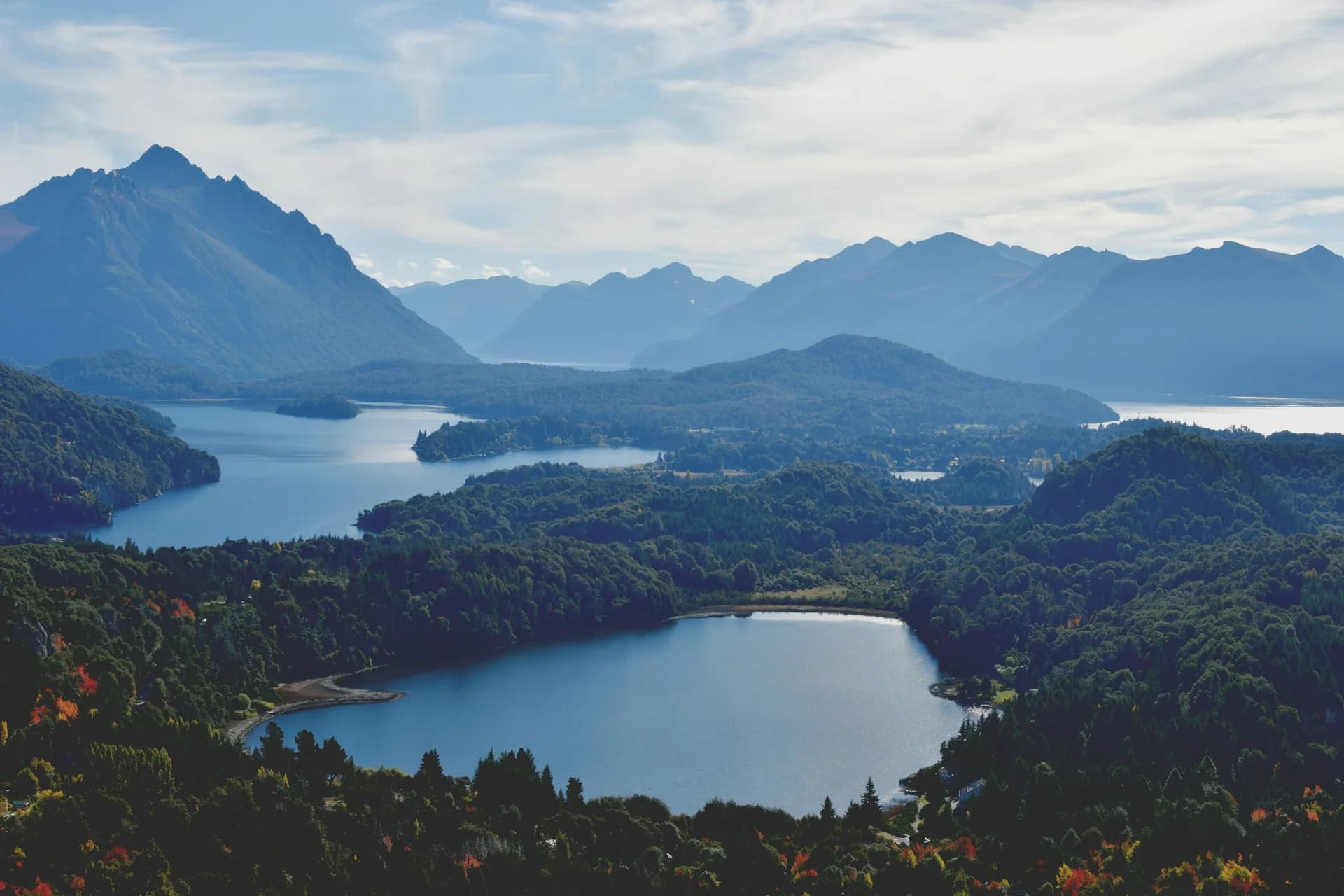
Seven minutes on an old double chair gets you to a 1,049-meter summit that National Geographic once named one of the best views on the planet. From the top deck you'll catch Nahuel Huapi, Lago Moreno, the Llao Llao peninsula, and a wall of peaks all in one sweep. The lift runs daily, roughly 9am to 6pm, for about US$8. Go on a clear morning before the tour buses roll in around 11am, grab a coffee at the summit confitería, and give yourself 40 minutes up top.
2. Drive the Circuito Chico
This 60-kilometer loop west of town is the postcard you came for. Follow Avenida Bustillo past Km 18 and you'll string together Bahía López, the Punto Panorámico overlook, and the Llao Llao viewpoint without a single dull stretch. Rent a car for the day (around US$45) or join a half-day tour. The smart move: drive it counter-clockwise, stop at the Patagonia brewpub near Km 24.7 for lunch over the water, and save Campanario for the tail end as the light turns gold.
3. Take the Boat to Isla Victoria and the Arrayanes Forest
From Puerto Pañuelo near the Llao Llao hotel, catamarans run by Cau Cau and Turisur cross to Isla Victoria and the Bosque de Arrayanes — a grove of cinnamon-barked myrtle trees found almost nowhere else on Earth. The full-day trip costs about US$55 plus the park fee. Book a day ahead in summer, and take the morning departure (around 9:30am) for the longest island walk before crowds thicken.
4. Hike to Refugio Frey
This is the single best day hike in the area. From the Villa Catedral base, the trail climbs through forest and along a ridge to a stone mountain hut tucked beside a glacial lake ringed by granite spires that rock climbers fly across the world for. Budget 4 to 5 hours up, register (free) with Club Andino Bariloche on Calle 20 de Febrero before you set out, and carry water — there's none reliable until the refugio, where you can buy a hot meal and a cold beer at the top.
5. Ski or Summer-Hike Cerro Catedral
Catedral is the largest ski resort in South America, with more than 120 kilometers of pistes and lift access to wide-open Andean bowls that draw the same crowd you'd find at North American resorts like Banff. Peak season runs July through September, and a day lift pass lands around US$60-75 depending on the week. Off-season, the same lifts carry hikers and mountain bikers up instead. Either way, ride the gondola from the base village and turn back toward the lake from the top.
6. Eat Your Way Down Calle Mitre
Bariloche makes more chocolate than anywhere else in Argentina, and Calle Mitre is the proof. Start at Rapa Nui for the chocolate-and-dulce-de-leche bombón, cross to Mamuschka for the best dark blends in town, then duck into Del Turista for the over-the-top window displays. Bars run US$3-6. The local order is a submarino — a bar of chocolate dropped into a glass of hot milk — on a cold afternoon.
7. Go on a Craft Beer Crawl
Bariloche's brewers turn glacial meltwater into some of the best beer in the country. Manush on Elflein pours a smoked porter worth the walk alone, and Berlina, Konna, and Bachmann round out a proper crawl. Pints run US$3-5. Most kitchens stay open late and pair the taps with venison and lake trout — book a table on weekends after 9pm, when locals actually show up.
8. Kayak Nahuel Huapi
Paddling drops you to eye level with water that shifts from emerald to deep sapphire depending on the depth beneath you. Outfitters at Bahía Serena and along Bustillo rent sit-on-top kayaks and run guided half-days for about US$40, gear included. The morning water is glassy and calm; by mid-afternoon the Patagonian wind picks up, so go early.
9. Float Up Cerro Otto on the Teleférico
A cable car climbs from the edge of town to a 1,405-meter summit with a slowly revolving café at the top — a full 360 over the lake and the Andes without lifting a boot. The round-trip runs about US$15 and includes a shuttle from the Civic Center. In winter the slope below doubles as a sledding hill; in summer, paragliders launch off the same ridge.
10. Day-Trip to Cerro Tronador and the Black Glacier
Tronador, the tallest peak in the park, tops 3,400 meters and feeds the Ventisquero Negro — a glacier stained dark grey with rock dust. It's a long day on a single-lane road that switches direction by the hour, so join a tour or start at dawn for Pampa Linda. The payoff is a stretch of Patagonia that almost no in-town day-tripper ever sees.
11. Catch the Sunday Market in Colonia Suiza
This tiny Swiss-founded hamlet on the Circuito Chico fires up its curanto on Sundays and Wednesdays — meat, sausage, and vegetables cooked underground over hot stones and lifted out steaming around 1pm. Come hungry, browse the artisan stalls, and wash the meal down with cider from one of the farm stands.
12. Wander the Centro Cívico
The heart of town is a cluster of grey-green stone-and-log buildings that look airlifted from an Alpine village, fronting a plaza over the lake. Give it an hour: photograph the architecture, meet the resident St. Bernards posing for pictures, and step into the regional museum to understand how a German-Swiss settlement ended up this far south.
13. Walk the Llao Llao Trails
Past the famous hotel at the end of Bustillo, a network of free, well-marked paths threads through coihue forest to Lago Escondido and the hidden beach at Villa Tacul. The Sendero Llao Llao loop takes about 2 hours and ends at a small sandy cove where, on a warm day, you can actually swim.
Pro Tip
Bring US dollars in cash. Argentina's exchange rates make a real difference, and many smaller operators, refugios, and market stalls give a far better rate for cash than for cards. Change money when you land in Buenos Aires or at a casa de cambio downtown, keep small bills handy for the chairlifts and buses, and download your offline maps before heading out on the Circuito — cell signal drops fast once you pass Km 20.
Related Articles
 Travel Guides
10 Things to Do in the Maasai Mara That Aren't Just the River Crossing
 Travel Guides
12 Best Things to Do in Luxor: A Both-Banks Hit List for Ancient Thebes
 Travel Guides