Top 8 Reasons Cape Verde Should Be on Your 2026 Travel List
Top 8 Reasons Cape Verde Should Be on Your 2026 Travel List
I've recommended Cape Verde to dozens of people. Every single one has come back saying the same thing: "Why didn't I go sooner?" Here are the eight reasons you should stop postponing.
1. Year-Round Perfect Weather
Cape Verde sits at the same latitude as the Caribbean, with average temperatures of 22-28°C every month of the year. It's always warm. It's almost never too hot (the trade winds see to that). It's rarely cold. Rain is minimal — many islands get less than 250mm annually.
While Europe freezes in January and bakes in August, Cape Verde stays in that perfect 24-26°C zone. It's the closest thing to a guaranteed-good-weather destination that exists.
2. Beaches That Make the Caribbean Nervous
Santa Maria Beach on Sal is a wide curve of white sand and turquoise water that could hold its own against any Caribbean postcard. But the real revelation is Boa Vista — 55 km of beaches, most of them completely empty. Praia de Santa Monica stretches for 22 km without a single building, sun lounger, or resort.
The water is warm year-round (22-26°C). The Atlantic is rougher than the Caribbean — swimming is best on sheltered south-facing beaches — but for walking, photography, and the sheer scale of empty sand, Cape Verde beaches are extraordinary.
Pro tip: Loggerhead turtles nest on Boa Vista's beaches June-October. Guided night walks to watch females lay eggs are available and unforgettable.
3. You Can Hike an Active Volcano
Pico do Fogo erupted in 2014-15. You can walk through the destroyed village of Portela, see the lava flows that swallowed buildings, and hike to the 2,829-meter summit of the cone with a mandatory local guide (3,000-5,000 CVE, 5-6 hours round trip).
The caldera is surreal — vineyards growing in black volcanic soil, producing wine that tastes of the earth it comes from. You can buy Fogo wine directly from producers in the caldera village of Cha das Caldeiras. It's unlike any wine you've had.
4. Mindelo's Music Scene Is World-Class
Mindelo, on Sao Vicente island, is where Cesaria Evora — the Barefoot Diva — first sang morna in smoky harbor bars. That tradition is alive and well. On any given night, you can find live morna, coladeira, or funana in one of Mindelo's dozen music venues.
The Baia das Gatas music festival (August) draws thousands. Carnival (February) is Mindelo's version of Rio — smaller but no less passionate, with elaborate costumes, samba-influenced parades, and parties that last three days.
Visit the Cesaria Evora museum (her childhood home, ~200 CVE), stand at her statue by the harbor, and then go to a bar and listen to someone sing morna with a guitar and a glass of grogue. It will break your heart in the best way.
5. Santo Antao Has Trails That Rival Madeira
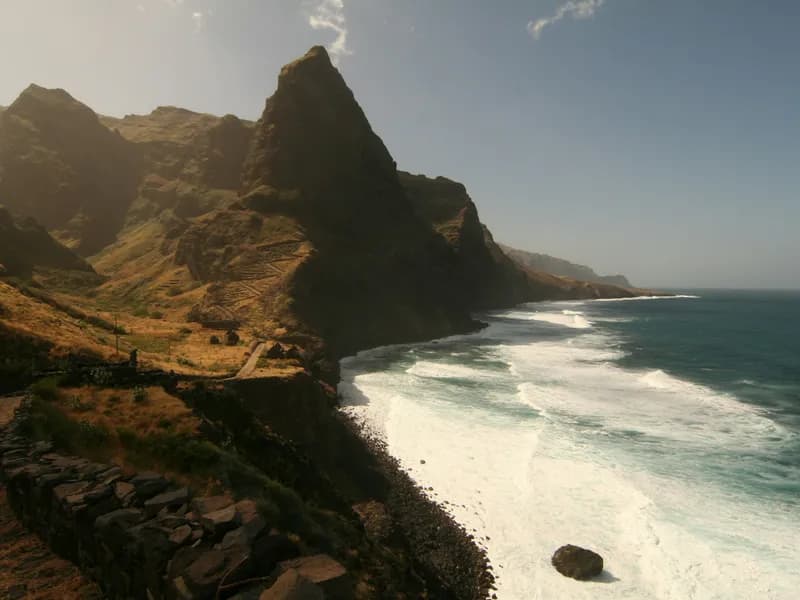
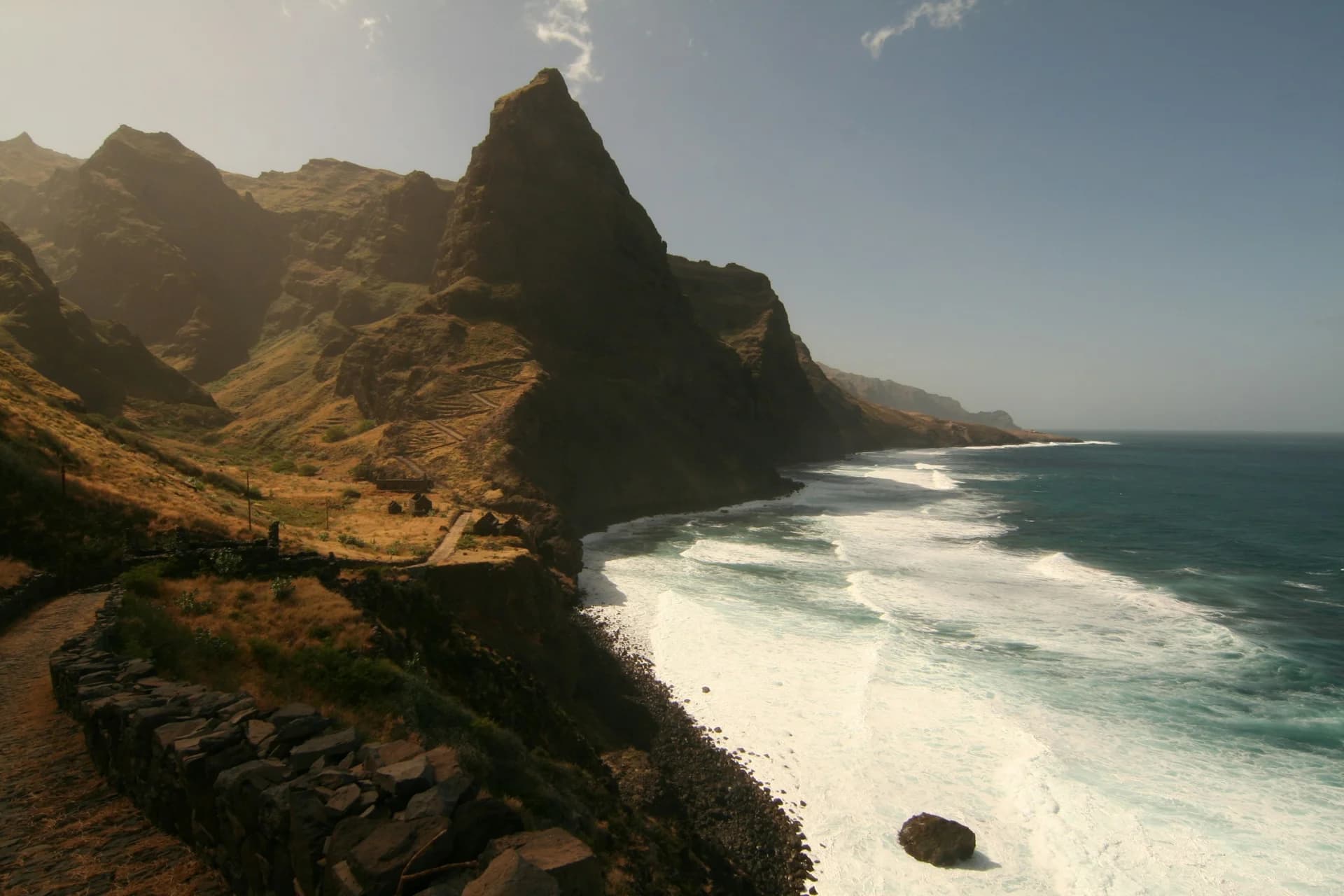
A 1-hour ferry from Mindelo takes you to Santo Antao — the greenest, most dramatic island in the archipelago. The Paul Valley hike descends through terraced agriculture, past sugarcane plantations and distilleries, with views that make your jaw drop.
The Cova crater hike starts inside an extinct volcanic crater and descends to the coast through cloud forest. Local guides cost ~3,000 CVE/day and know every trail, every shortcut, every family-run distillery where you can taste fresh grogue.
Pro tip: Stay in local pensoes (guesthouses) on Santo Antao for 2,000-4,000 CVE/night. Dinner is included and it's home-cooked — often the best meals of the trip.
6. It's Genuinely Affordable
Cape Verde is pricier than mainland West Africa (most things are imported), but by Atlantic island standards, it's a bargain. A full meal of cachupa at a local restaurant: 400-800 CVE ($4-8). A glass of grogue: 100-200 CVE. A budget hotel: 3,000-5,000 CVE/night ($30-50).
Compare that to the Canaries, Madeira, or the Azores — similar climates and vibes, but Cape Verde is consistently 30-50% cheaper.
7. The Culture Is Unlike Anywhere Else
Cape Verde's culture sits at the intersection of West Africa, Portugal, and Brazil. The music fuses African rhythms with Portuguese saudade (longing). The food blends Portuguese techniques with African ingredients. The language — Kriolu — is a Portuguese-based Creole that sounds like music itself.
And the people. "Morabeza" — deep-rooted warmth and hospitality — isn't just a word. It's a lived practice. Conversations happen with strangers. Invitations to meals are genuine. The cultural openness is remarkable, especially in smaller islands.
8. It's Still Under the Radar
Cape Verde gets a fraction of the visitors that the Canaries, Madeira, or even the Azores receive. Sal and Boa Vista have resort development, but the other islands — Sao Vicente, Santo Antao, Fogo, Santiago — are genuinely uncrowded. You can hike Santo Antao for a full day and see only local farmers. You can sit in a Mindelo bar and be the only tourist.
This won't last. European charter flights are increasing. Hotel development is planned for several islands. The natural beauty and year-round weather make mass tourism inevitable.
Go now. Drink the grogue. Hike the volcano. Listen to the morna. And tell people about it — but maybe wait until you've been back at least once.
How to Plan It
- 3-5 days: Sal or Boa Vista for beaches and relaxation
- 5-7 days: Add Mindelo (music) and Santo Antao (hiking) via ferry
- 10-14 days: Add Fogo (volcano) and Santiago (history). This is the full experience.
Inter-island flights on Bestfly, ferries via CV Interilhas. Allow flexibility for weather delays. Bring Euros. Bring an open mind.
Cape Verde doesn't need to be discovered. It's been here for centuries. But it's waiting for you to notice.
For the full island breakdown, read our complete Cape Verde travel guide. Music lovers should check our Mindelo and morna guide. For another Atlantic island comparison, the Canary Islands are pricier but well-connected.