
Canary Islands
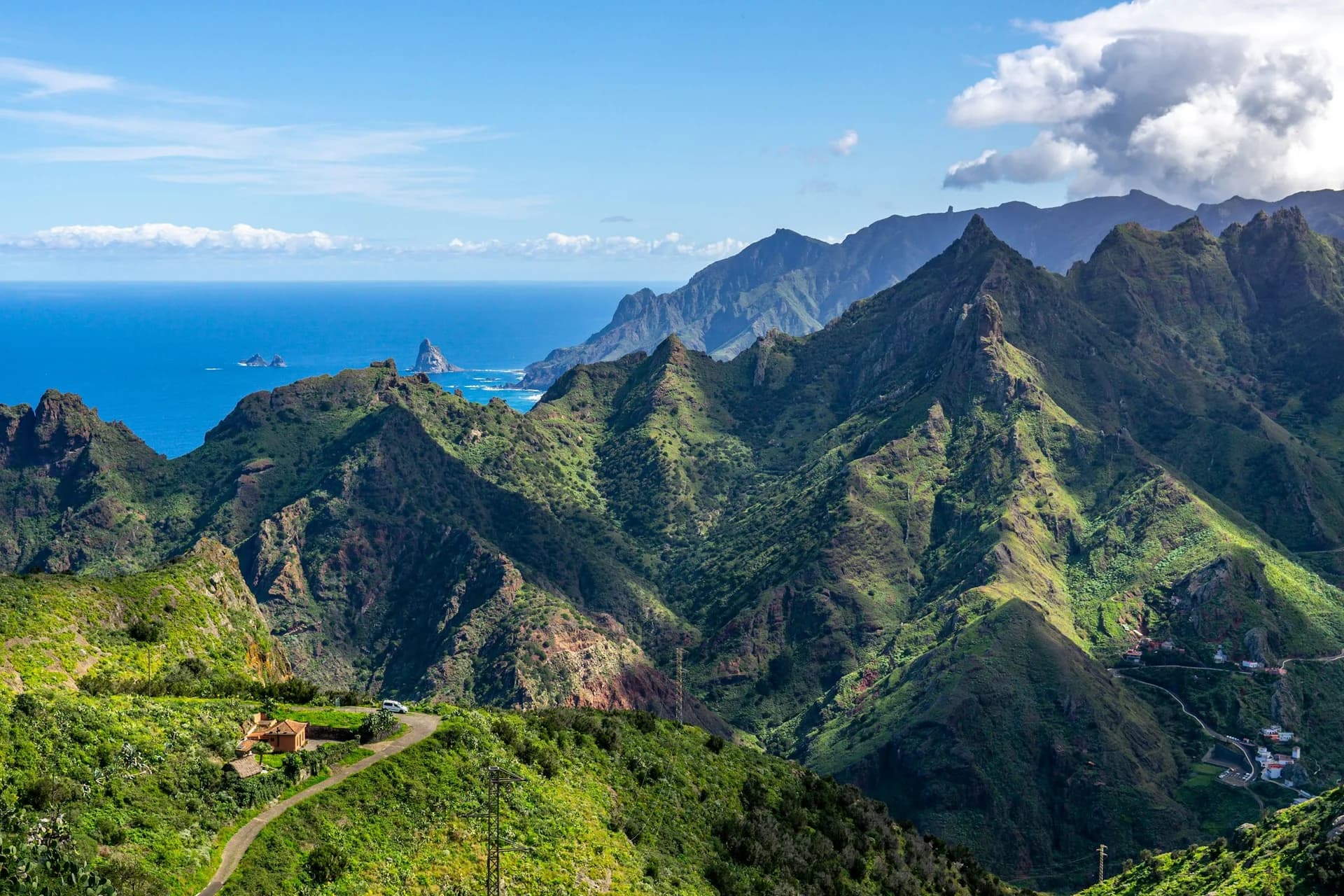
Photo: Hendrik Cornelissen / Unsplash
Key Facts
Best Time to Visit
Year-round (18-28°C), peak season December to March for winter sun, April-June for hiking
Language
Spanish (English widely spoken in resort areas)
Currency
Euro (EUR)
Time Zone
WET (UTC+0), WEST (UTC+1) in summer — 1 hour behind mainland Spain
Airport
Tenerife South (TFS), Gran Canaria (LPA), Lanzarote (ACE), Fuerteventura (FUE)
Population
2.2 million across 8 islands, 1 million on Tenerife alone
Climate
Subtropical, mild year-round (18-28°C), trade winds keep summers comfortable, south coasts drier than north
Safety Rating
Very Safe (Level 1) — standard tourist precautions
UNESCO Sites
4 sites: Teide National Park, Garajonay (La Gomera), San Cristobal de la Laguna (Tenerife), Risco Caido (Gran Canaria)
Top Highlights
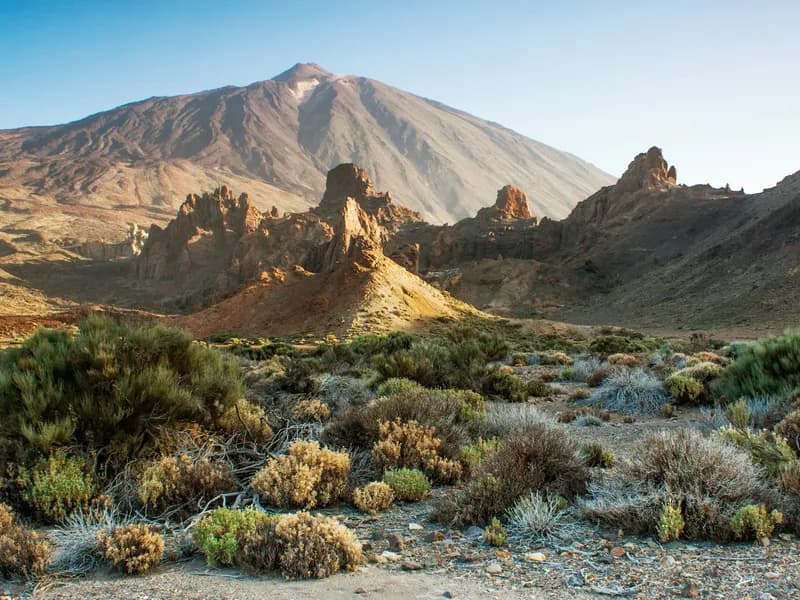
Mount Teide & National Park, Tenerife
Spain's highest peak at 3,718 meters and a UNESCO World Heritage site. The volcanic landscape resembles Mars — vast calderas, lava flows, and rock formations. Cable car to 3,555m: 40 EUR return (book at volcanoteide.com). Summit permit (free but limited to 200/day) required to walk the final 163m — apply weeks ahead. Stargazing here is world-class (UNESCO Starlight Reserve). Allow a full day.
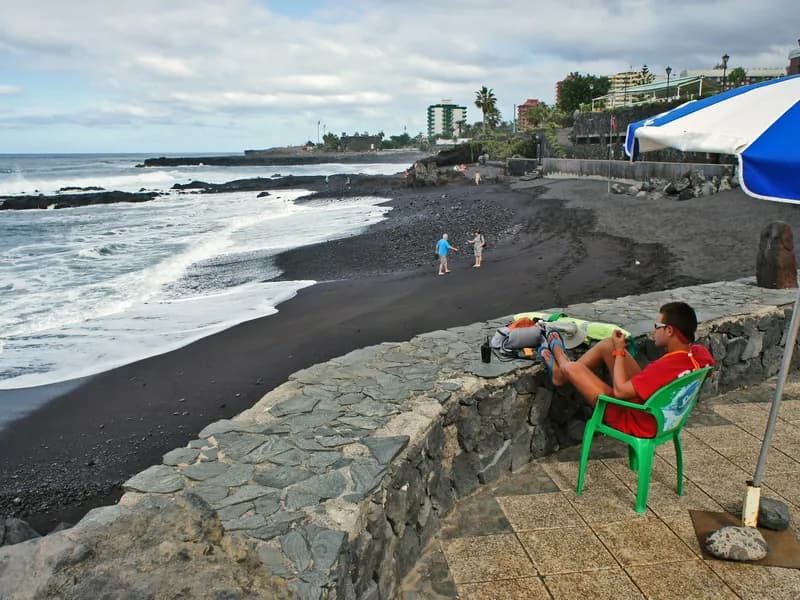
Black Sand Beaches
Volcanic black sand beaches are a Canary Islands signature. Top picks: Playa Jardin in Puerto de la Cruz, Tenerife (free, palm-lined, designed by Cesar Manrique); Playa de la Arena in Tenerife (Blue Flag, calm waters); and the remote Playa de Benijo (wild surf, dramatic cliffs). On Lanzarote, El Golfo's green lagoon next to black sand is surreal. Water temperature is 19-23°C year-round.
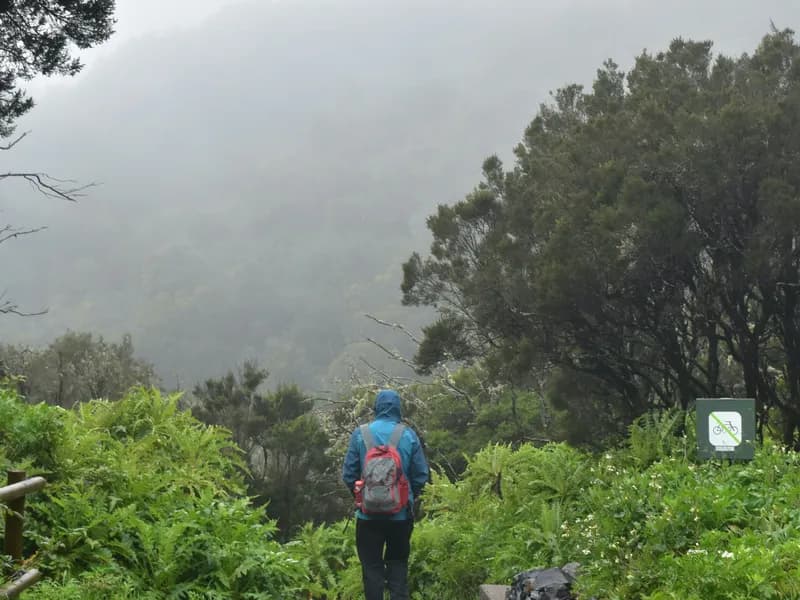
Garajonay National Park, La Gomera
A hidden gem UNESCO site — a primeval laurel cloud forest (laurisilva) that looks like a scene from Jurassic Park. These forests covered southern Europe 15 million years ago; this is one of the last surviving fragments. Numerous marked trails from easy to challenging. Free entry. Reach La Gomera by Fred Olsen ferry from Tenerife (50 minutes, ~35 EUR return). Allow a full day; overnight recommended.
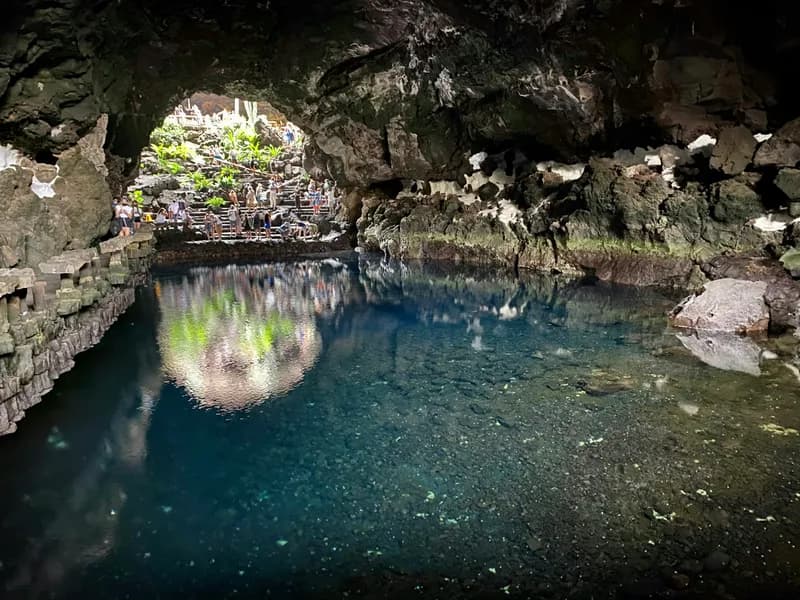
Lanzarote & Cesar Manrique
An island shaped by volcanic eruptions and the vision of artist Cesar Manrique, who integrated art with nature. Must-see: Jameos del Agua (underground volcanic tunnel with concert hall, 12 EUR), Cueva de los Verdes (lava tube tour, 12 EUR), Mirador del Rio (viewpoint, 5 EUR), and Timanfaya National Park (15 EUR, bus tour through 1730 eruption zone). A 5-site pass costs 35 EUR. Allow 2-3 days.
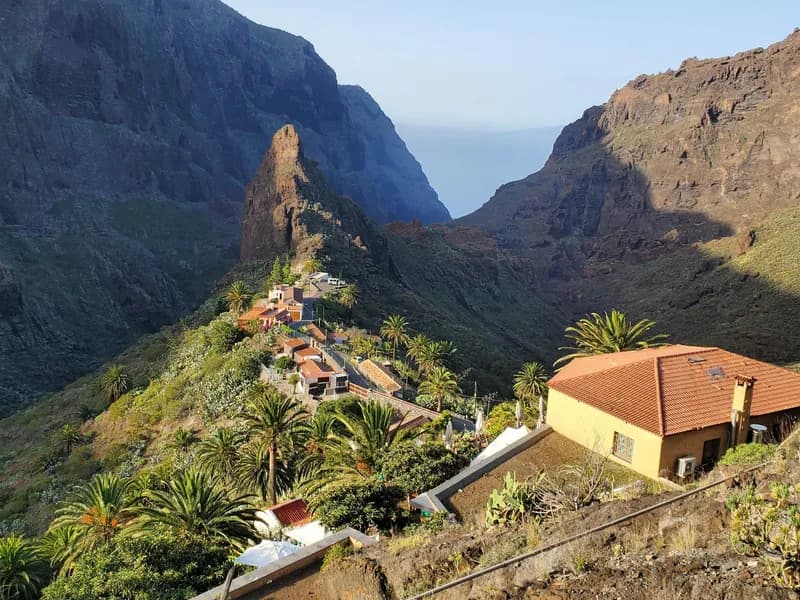
Masca Valley, Tenerife
A dramatic gorge hike from the mountain village of Masca down to the sea through towering basalt cliffs. The trail (4.5 km, 3-4 hours one-way) is challenging with steep descents. Since 2023 a permit is required (free, book at reservasmasca.tenerife.es — limited to 125 hikers/day). Boat returns to Los Gigantes: ~10 EUR. Masca village itself is spectacularly perched at 600 meters.
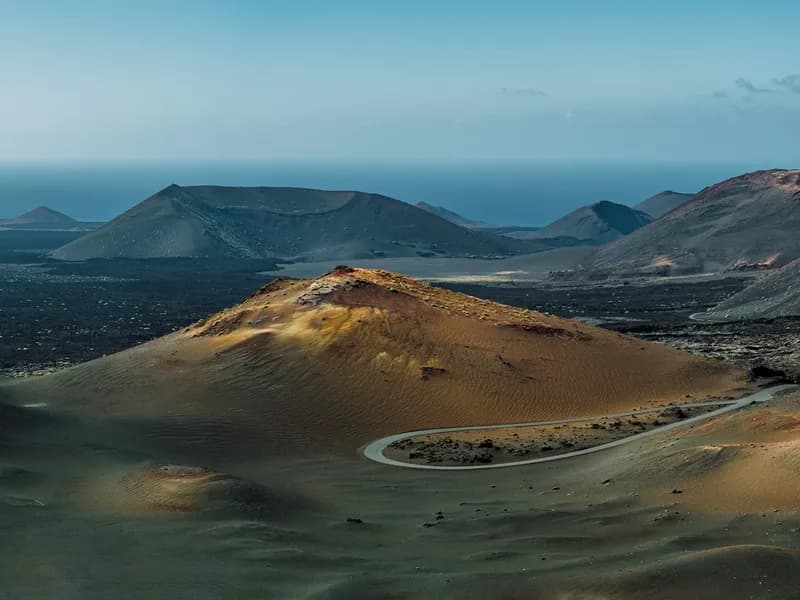
Volcanic Landscapes of Lanzarote & Fuerteventura
Timanfaya National Park on Lanzarote is an otherworldly expanse of black lava, red craters, and geothermal heat (restaurant El Diablo grills food over volcanic heat). On Fuerteventura, the Corralejo dunes form a Saharan landscape next to turquoise Atlantic water (free, natural park). Both islands have consistent trade winds making them world-class for windsurfing and kitesurfing (lessons from ~60 EUR).
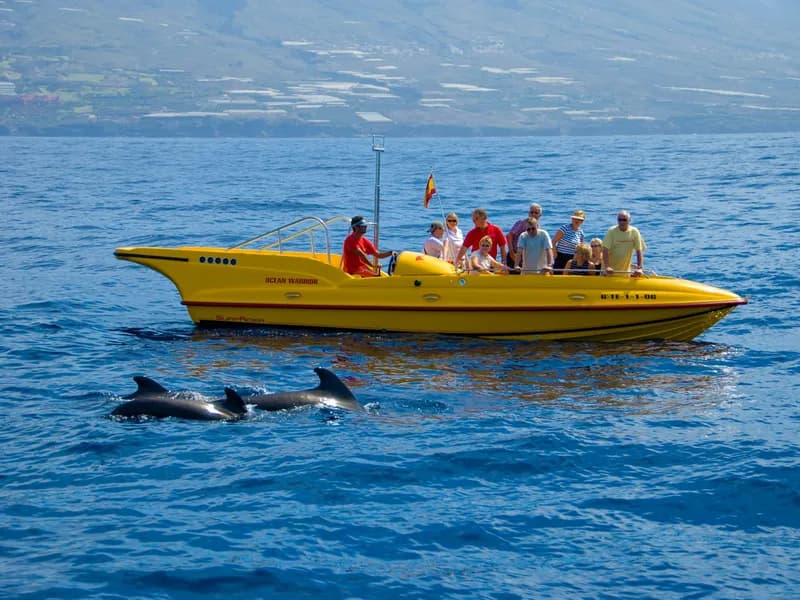
Whale and Dolphin Watching, Tenerife
The channel between Tenerife and La Gomera hosts a resident pod of ~500 pilot whales and bottlenose dolphins year-round — one of Europe's best cetacean watching spots. Licensed boat tours from Los Cristianos or Puerto Colon: 15-30 EUR for 2-3 hours. Sighting rates exceed 90%. Larger baleen whales (fin whales, Bryde's whales) appear seasonally. Choose operators with the Blue Boat flag for responsible tourism.
Planned Itinerary
7-Day Canary Islands Itinerary
Arrival in Tenerife & Puerto de la Cruz
Fly into Tenerife South (TFS) or North (TFN) airport. Base in Puerto de la Cruz on the lush north coast.
Airport transfer and check-in(1 hour)
TFS is 80 km from Puerto de la Cruz (1.5 hours, bus ~10 EUR or taxi ~70 EUR). TFN is closer (30 min). Rent a car from ~20 EUR/day. Stay in Puerto de la Cruz for character or Los Cristianos for beach access
Puerto de la Cruz old town walk(1.5 hours)
Charming northern town with Canarian balconied houses, Plaza del Charco (central square), and Lago Martianez (Cesar Manrique-designed saltwater pool complex, 5.50 EUR). The old fishing harbor is atmospheric
Playa Jardin(1.5 hours)
Cesar Manrique-designed black sand beach with palm gardens. Free. The volcanic sand is dramatic against blue water. Good swimming
Dinner at Bodegon Tamara(1.5 hours)
Near Plaza del Charco. Canarian cuisine — papas arrugadas con mojo (wrinkly potatoes with red/green sauce, 5 EUR), carne fiesta (marinated pork, 10 EUR), local Tacoronte wine (3 EUR/glass)
Mount Teide National Park
Drive to Spain's highest peak — a UNESCO volcanic landscape that looks like Mars.
Drive to Teide National Park(1 hour)
From Puerto de la Cruz via La Orotava. The road climbs through cloud forest into the volcanic caldera. Free park entry
Cable car to 3,555m(2 hours)
40 EUR return (book at volcanoteide.com — sells out 1-2 weeks ahead). At 3,555m the views extend to other islands. The summit permit (free, limited to 200/day) requires separate booking weeks ahead for the final 163m hike
Roques de Garcia walk(1.5 hours)
Free. 3.5 km loop trail through dramatic volcanic rock formations including Roque Cinchado (on the old 1,000 peseta note). The caldera landscape is extraordinary — rust reds, blacks, and yellows
Stargazing (seasonal)(1.5 hours)
Teide is a UNESCO Starlight Reserve. Several operators run sunset + stargazing tours (~60-80 EUR) with telescopes. The Milky Way here is extraordinary. Or simply drive up after dark with a blanket
Masca Valley & Los Gigantes
Dramatic gorge hike and towering sea cliffs on the western coast.
Drive to Masca(1 hour)
Mountain road with spectacular hairpins through the Teno massif. Masca village at 600m is dramatically perched between peaks
Masca Valley hike (or viewpoint)(4 hours)
Permit required (free, book at reservasmasca.tenerife.es — 125/day). 4.5 km descent through basalt cliffs to the sea. Boat return to Los Gigantes (~10 EUR). Challenging but extraordinary. Alternative: enjoy the village viewpoints without hiking
Los Gigantes cliffs(1.5 hours)
600m vertical sea cliffs. Boat trips from Los Gigantes marina (~20-25 EUR, 2 hours) sail beneath the cliffs with possible dolphin sightings. The scale is humbling
Dinner in Los Gigantes(1.5 hours)
El Rincon de Juan Carlos — Michelin-recognized Canarian-creative (tasting menu ~55 EUR). Or La Cueva for budget grilled fish (10-14 EUR)
Rest Day — Whale Watching & South Beaches
Morning cetacean encounter, then relaxation on the sunny south coast.
Whale and dolphin watching(2.5 hours)
From Los Cristianos or Puerto Colon. ~20-30 EUR for 2-3 hours. 500+ resident pilot whales and bottlenose dolphins — 90%+ sighting rate year-round. Choose Blue Boat flag operators. The strait between Tenerife and La Gomera is one of Europe's best spots
Playa del Duque(2.5 hours)
Golden sand beach on the Costa Adeje. Sunbed 5-8 EUR. Calm water, good facilities. The best resort beach in Tenerife
Free afternoon(2 hours)
Pool, relax, or explore La Laguna (UNESCO old town, 30 minutes north — well worth a visit if near TFN)
La Gomera Day Trip — Cloud Forest
Ferry to the tiny island with one of the world's last primeval laurel forests.
Fred Olsen ferry to La Gomera(50 minutes)
~35 EUR return from Los Cristianos. Morning departure. Rent a car on La Gomera (~30 EUR/day) — essential for the mountain roads
Garajonay National Park(3 hours)
UNESCO laurisilva cloud forest. Walk through misty prehistoric forest with moss-covered trees and ferns. Multiple marked trails from easy (Raso de la Bruma, 1 km) to challenging. Free entry
Mirador de Abrante(30 minutes)
Glass-floored viewpoint suspended over the Agulo valley, 620m above the coast. Free. The view is vertigo-inducing
Lunch at Casa Efigenia, Las Hayas(1 hour)
Legendary rural restaurant serving a fixed Gomeran menu (watercress soup, goat cheese, palm honey, 15 EUR). The owner is a local icon. Book ahead
Return ferry(1 hour)
Last ferries around 6-7PM
Anaga Rural Park & La Laguna
The wild northeastern peninsula with ancient laurel forest and a UNESCO colonial town.
Drive to Anaga(45 minutes)
From Puerto de la Cruz via La Laguna. The mountain road is narrow and winding — spectacular
Anaga laurel forest hike(2.5 hours)
Free. The Sendero de los Sentidos (Trail of the Senses) near the Cruz del Carmen visitor center is an easy 1.5 km loop through ancient laurel forest. For more: hike to Chinamada cave village (troglodyte houses, 2 hours round trip)
Lunch at Casa Carlos, Taganana(1 hour)
Remote fishing village on the coast. Fresh fish (10-14 EUR) served overlooking the rugged Atlantic
La Laguna UNESCO old town(2 hours)
The original Canarian capital. Colorful colonial mansions, the cathedral, and university. Free to walk. More authentic than any resort. Good tapas bars on Calle San Agustin
Departure
Final morning in the Canaries.
Last morning at Playa de las Teresitas(1.5 hours)
Imported Saharan golden sand on the northeast coast near Santa Cruz. Sheltered, palm-lined, calm water. Free. The contrast with the volcanic mountains behind is stunning
Return rental car and departure(1 hour)
TFS (south) or TFN (north). Choose based on your flight. Allow 2 hours before international flights
14-Day Canary Islands Itinerary
Arrival in Tenerife
Arrive TFS/TFN. Base in Puerto de la Cruz.
Transfer and check-in(1 hour)
Car ~20 EUR/day. Puerto de la Cruz for character
Old town walk(1.5 hours)
Plaza del Charco, Lago Martianez 5.50 EUR
Playa Jardin black sand(1.5 hours)
Manrique-designed. Free
Dinner — papas arrugadas con mojo(1.5 hours)
5 EUR. Carne fiesta 10 EUR
Mount Teide
Spain's highest peak.
Cable car(2 hours)
40 EUR. Book ahead
Roques de Garcia walk(1.5 hours)
Free. 3.5 km loop
Stargazing(1.5 hours)
UNESCO Starlight Reserve. Tours 60-80 EUR
Masca & Los Gigantes
Gorge hike and sea cliffs.
Masca hike or viewpoint(4 hours)
Free permit. 4.5 km. Boat back 10 EUR
Los Gigantes boat trip(2 hours)
~20-25 EUR. 600m cliffs, dolphins
Rest Day — Whales & Beach
Cetaceans and south coast sun.
Whale watching(2.5 hours)
~20-30 EUR. 90% sighting rate
Playa del Duque(2.5 hours)
Golden sand, sunbed 5-8 EUR
La Gomera Day Trip
Cloud forest island.
Ferry(50 minutes)
~35 EUR return
Garajonay park(3 hours)
UNESCO laurisilva forest. Free
Mirador de Abrante(30 minutes)
Glass floor viewpoint
Casa Efigenia lunch(1 hour)
Gomeran menu 15 EUR
Anaga & La Laguna
Wild peninsula and UNESCO town.
Anaga hike(2.5 hours)
Laurel forest, cave village
Casa Carlos lunch(1 hour)
Taganana. Fish 10-14 EUR
La Laguna(2 hours)
Colonial mansions, tapas
Fly to Lanzarote
Second island — volcanic art.
Binter flight to Lanzarote(45 minutes)
From ~30 EUR if booked early. Rent car on arrival (~20 EUR/day)
Jameos del Agua(1.5 hours)
12 EUR. Underground volcanic tunnel turned concert hall by Cesar Manrique. Blind albino crabs in the underground lake. The integration of nature and art is extraordinary
Cueva de los Verdes(1.5 hours)
12 EUR. 1-km guided tour through a lava tube formed 3,000 years ago. The optical illusion at the end is unforgettable
Dinner in Arrieta(1 hour)
Fishing village near the caves. Restaurante Arrieta — fresh fish 10-14 EUR
Timanfaya & Fire Mountains
The 1730 eruption zone — another planet.
Timanfaya National Park(2.5 hours)
15 EUR. Bus tour through the eruption zone (included). Arrive by 9AM or after 3PM to avoid 1-2 hour queues. The guide pours water into ground vents — instant steam. Geothermal restaurant El Diablo grills food over volcanic heat
Camel ride on lava(30 minutes)
6 EUR. Short camel ride through volcanic landscape near the park entrance
La Geria wine valley(2 hours)
Vines grown in individual pits scooped from volcanic ash with stone windbreaks. Bodega El Grifo (5 EUR tasting) — oldest winery in the Canaries (1775). Malvasia volcanic white is unique
El Golfo green lagoon(1 hour)
Free. Half-submerged volcanic crater with bright green lagoon next to black sand beach. Surreal. Restaurant El Golfo nearby for fresh fish (12-16 EUR)
Rest Day — Lanzarote Beaches
Beach day on the volcanic island.
Papagayo Beaches(3 hours)
Series of golden sand coves on the south tip. Car access 3 EUR. Turquoise water, volcanic backdrop. The best beaches on Lanzarote. Bring supplies
Lunch at Playa Blanca(1 hour)
Marina Rubicon — seafood and tapas (10-14 EUR)
Manrique Foundations & Teguise
Cesar Manrique's artistic legacy and the former capital.
Fundacion Cesar Manrique(1.5 hours)
8 EUR. Manrique's home built inside five volcanic bubbles. Art collection, gardens, architecture. His vision shaped the entire island — no high-rises, minimal billboards
Mirador del Rio(45 minutes)
5 EUR. Manrique-designed clifftop viewpoint (475m) looking over the strait to La Graciosa island. The integration into the rock is seamless
Teguise market (Sunday)(1.5 hours)
If Sunday: the Canaries' biggest market. Crafts, food, live music. Free. Otherwise explore the former capital's colonial architecture
Dinner in Teguise(1 hour)
La Cantina — tapas in a renovated colonial house (8-12 EUR)
Ferry to Fuerteventura — Dunes
Quick ferry to the beach island.
Ferry to Fuerteventura(25 minutes)
~20 EUR return from Playa Blanca to Corralejo. Naviera Armas or Fred Olsen
Corralejo Dunes Natural Park(3 hours)
Free. Sahara-like dunes stretching along the coast with turquoise Atlantic water. Swimming is excellent. The contrast of white sand dunes against volcanic rock is surreal
Corralejo town lunch(1 hour)
Avenida restaurant — goat cheese mojo, fresh fish (10-14 EUR)
Return ferry(1 hour)
Afternoon/evening departure back to Lanzarote
La Graciosa Island
Tiny car-free island off Lanzarote's north coast.
Ferry from Orzola to La Graciosa(25 minutes)
~25 EUR return. The 8th Canary Island — population 700, no paved roads
Bike ride to Playa de las Conchas(3 hours)
Rent a mountain bike in Caleta de Sebo (~12 EUR). Ride on sand tracks to this stunning golden beach backed by the Montana Bermeja volcano. 5 km each way. Bring everything — no facilities
Caleta de Sebo village(1 hour)
Sand streets, colorful houses, a few restaurants. El Marinero for grilled fish (12-14 EUR)
Rest Day — Lanzarote Leisure
Free day.
Free day(5 hours)
Revisit Papagayo, surf at Famara (lessons ~35 EUR), or just pool
Departure
Fly from Lanzarote (ACE) or back to Tenerife.
Last morning at Famara Beach(1.5 hours)
Dramatic cliff-backed surf beach on the northwest coast. The Risco de Famara cliffs rise 500m behind. Not for swimming (strong currents) but stunning to walk
Return car and departure(1 hour)
ACE airport or Binter back to Tenerife. Allow 2 hours
21-Day Canary Islands Itinerary
Arrival in Tenerife
Base in Puerto de la Cruz.
Transfer(1 hour)
Car ~20 EUR/day
Old town(1.5 hours)
Lago Martianez 5.50 EUR
Playa Jardin(1.5 hours)
Black sand
Dinner — papas arrugadas(1.5 hours)
5 EUR
Mount Teide
Spain's highest peak.
Cable car(2 hours)
40 EUR
Roques de Garcia(1.5 hours)
Free. 3.5 km
Stargazing(1.5 hours)
60-80 EUR tour
Masca & Los Gigantes
Gorge and cliffs.
Masca hike(4 hours)
Permit. Boat 10 EUR
Los Gigantes boat(2 hours)
20-25 EUR
Rest Day — Whales & South Beach
Cetaceans and resort coast.
Whale watching(2.5 hours)
20-30 EUR
La Gomera
Cloud forest island.
Ferry(50 minutes)
~35 EUR return
Casa Efigenia(1 hour)
15 EUR
Anaga & La Laguna
Wild peninsula and UNESCO town.
South Coast & Icod de los Vinos
Dragon tree and southern beaches.
Icod de los Vinos(1.5 hours)
Drago Milenario — supposedly 1,000-year-old dragon tree (5 EUR). The town has traditional Canarian architecture and good local wine
Garachico(1.5 hours)
Destroyed by a 1706 volcanic eruption. Natural lava rock pools (El Caleton) for swimming — free, spectacular. The old town is beautifully preserved
Lunch at El Caleton, Garachico(1 hour)
Overlooking the rock pools. Vieja (parrotfish, local specialty, 14 EUR)
Fly to Lanzarote
Volcanic art island.
Binter flight(45 minutes)
From ~30 EUR
Jameos del Agua(1.5 hours)
12 EUR. Volcanic tunnel art
Cueva de los Verdes(1.5 hours)
12 EUR. Lava tube
Timanfaya & Wine
Fire Mountains and volcanic vineyard.
Timanfaya(2.5 hours)
15 EUR. Arrive 9AM
La Geria wine(2 hours)
El Grifo 5 EUR tasting
El Golfo lagoon(1 hour)
Green lagoon, black sand
Rest Day — Papagayo
Lanzarote's best beaches.
Papagayo Beaches(4 hours)
Golden coves, 3 EUR access
Manrique & Teguise
Art, viewpoints, former capital.
Fundacion Manrique(1.5 hours)
8 EUR. Home in volcanic bubbles
Mirador del Rio(45 minutes)
5 EUR. La Graciosa views
Teguise(1.5 hours)
Sunday market or colonial walk
La Graciosa Island
Car-free 8th island.
Ferry from Orzola(25 minutes)
~25 EUR return
Bike to Playa de las Conchas(3 hours)
Bike ~12 EUR. Golden beach, volcano
Caleta de Sebo lunch(1 hour)
El Marinero 12-14 EUR
Fuerteventura Day Trip
Dunes and beaches.
Ferry(25 minutes)
~20 EUR return
Corralejo Dunes(3 hours)
Sahara-like. Free
Rest Day — Famara Surf
Surf or cliff walk.
Famara surf lesson(2 hours)
~35 EUR. Or walk the dramatic cliff-backed beach
Caleta de Famara lunch(1 hour)
Surf village. El Risco — mains 10-14 EUR
Fly to Gran Canaria
Third island — the 'miniature continent.'
Binter to Gran Canaria(30 minutes)
From ~25 EUR. Rent car ~20 EUR/day
Las Palmas — Vegueta old town(2.5 hours)
Columbus's Casa de Colon museum (4 EUR), cathedral (3.50 EUR), Canarian balconied houses. The most cosmopolitan city in the Canaries
Playa de las Canteras(1.5 hours)
3 km urban beach — one of Europe's best city beaches. Natural reef creates calm lagoon. Free
Dinner in Vegueta(1.5 hours)
Deliciosa Marta — creative Canarian (tapas 6-10 EUR). Wine from local bodegas
Gran Canaria Interior & Dunes
Mountain villages and Saharan dunes.
Drive to Tejeda and Roque Nublo(1.5 hours)
Mountain road to the interior. Tejeda is a white village at 1,000m with almond terraces
Roque Nublo hike(1.5 hours)
Free. 1.5 km walk to the 80m volcanic monolith at 1,813m. Sacred to the ancient Canarians. Views to Teide on clear days
Lunch at Tejeda(1 hour)
Texeda restaurant — local stews and almond desserts (10-14 EUR)
Maspalomas Dunes(2 hours)
Free. Protected dune field meeting the Atlantic. Walk through the dunes to the beach — surreal Saharan landscape. The lighthouse marks the point. Sunset is extraordinary
Rest Day — Gran Canaria Beach
Beach and pool day.
Amadores Beach(3 hours)
Sheltered golden crescent, family-friendly. Sunbed 5-8 EUR. Calm water
Puerto de Mogan dinner(1.5 hours)
'Little Venice' — pretty harbor village with canals and bougainvillea. Fish restaurants on the quay (12-18 EUR)
Return to Tenerife
Final island base.
La Orotava old town(2 hours)
Possibly the most beautiful Canarian town. Casa de los Balcones (5 EUR) — carved wooden balconies, traditional embroidery. Botanical garden (3 EUR) nearby
Lunch at La Duquesa, La Orotava(1 hour)
Canarian cuisine in a historic house. Ropa vieja (chickpea stew, 10 EUR)
Tenerife Cooking Class & Wine
Canarian cuisine and local wines.
Canarian cooking class(4 hours)
~50-70 EUR. Papas arrugadas, mojo, gofio (toasted grain), rabbit in salmorejo sauce. Includes lunch. Book via airbnb.com
Tacoronte-Acentejo wine region(2 hours)
North Tenerife wine trail. Bodegas Monje (8 EUR tasting) in a beautiful vineyard. Listan Negro volcanic reds
Rest Day — Final Beach & Favorites
Last full day.
Playa de las Teresitas(2 hours)
Golden Saharan sand, palm-lined, sheltered. Near Santa Cruz. Free. Stunning mountain backdrop
Farewell dinner(2 hours)
Kazan in Puerto de la Cruz — Japanese-Peruvian (mains 16-22 EUR). Or traditional at Bodegon Tamara one last time
Departure
Final morning in the eternal spring.
Last espresso and Canarian pastry(30 minutes)
Try a bienmesabe (almond cream, 3 EUR) or truchas (sweet potato turnover, 2 EUR)
Return car and departure(1 hour)
TFS or TFN. Allow 2 hours
Travel Tips
Visa & Entry
Schengen Zone Entry (Spain)
The Canary Islands are part of Spain and the Schengen Area. US, UK, Canadian, and Australian citizens enter visa-free for up to 90 days within 180 days. Indian citizens need a Schengen visa via VFS Global (~80 EUR, 2-4 weeks). Flights from mainland Spain are domestic. ETIAS may apply for non-EU citizens starting 2025.
transport
Inter-Island Travel Is Easy and Cheap
Binter Canarias flies between all islands (30-45 min flights, from ~30 EUR one-way if booked early). Fred Olsen and Naviera Armas ferries connect the main islands (Tenerife-La Gomera: 50 min/~35 EUR return; Lanzarote-Fuerteventura: 25 min/~20 EUR return). A car is essential on each island — rent locally from ~20 EUR/day. Inter-island car ferry costs more (~60-100 EUR per car).
Book Teide Cable Car and Masca Permits Early
Mount Teide cable car sells out 1-2 weeks ahead in peak season — book at volcanoteide.com. The summit permit (free) is separate and limited to 200/day — apply at reservasparquesnacionales.es well in advance. Masca valley hike permits also limited to 125/day. Timanfaya National Park bus tours have long queues (1-2 hours) midday — arrive by 9AM or after 3PM.
Budget
The Canaries Are Great Value for Europe
Much cheaper than mainland Spain and most Mediterranean islands. A restaurant dinner for two with wine: 25-40 EUR. Beer: 2-3 EUR. Accommodation ranges from 40 EUR/night (apartments) to 150 EUR (resort hotels). Self-catering is easy — HiperDino and Mercadona supermarkets are everywhere. The islands are VAT-free (IGIC at 7% instead of 21% mainland IVA), so electronics and perfume are noticeably cheaper.
Local Customs
Each Island Has a Different Personality
The biggest mistake tourists make: treating all Canary Islands as interchangeable. Tenerife has everything (volcanos, cities, beaches); Gran Canaria is diverse (dunes, mountains, nightlife in Las Palmas); Lanzarote is volcanic art; Fuerteventura is beaches and wind sports; La Gomera and La Palma are for hikers; El Hierro is remote and wild. Choose based on your interests, not just price.
Safety
Ocean Currents and Rip Tides
Atlantic currents are stronger than Mediterranean ones. Always swim at lifeguarded beaches and obey flag warnings (red = no swimming, yellow = caution). North coast beaches on Tenerife and Gran Canaria have powerful waves. Playa de las Teresitas (Tenerife) and Amadores (Gran Canaria) are sheltered and family-friendly. Never turn your back on the ocean on rocky coastlines — rogue waves occur.
Ready to explore Canary Islands?
Get AI-powered recommendations for your trip
Plan a Trip to Canary IslandsRelated Articles
Travel GuidesThe Canary Islands Bucket List: 12 Experiences Worth Building a Trip Around
Lava-cooked lunches, prehistoric forests, and the highest peak in Spain — the twelve Canary Islands experiences that actually earn the airfare, with the booking details nobody tells you.
Travel GuidesCanary Islands Showdown: Tenerife vs. Lanzarote vs. Fuerteventura vs. Gran Canaria
Four main islands, four completely different personalities. Here's how to pick the right one — or decide which combination justifies the inter-island flights.
StoriesThe Volcanic Light: A Week Across the Canary Islands
There's a quality of light on volcanic islands that doesn't exist elsewhere — sharper, more saturated, as if the lava shaped the atmosphere as well as the land.
StoriesA Week Island-Hopping the Canaries: Volcanoes, Whales, and Black Sand
Day-by-day diary of a week hopping between Tenerife, La Gomera, and Lanzarote — from Teide's summit to cloud forests, volcanic wine, and the deepest blue I've ever seen.