Valencia, Spain: Your Questions Answered Before You Visit in 2026
Valencia tends to surprise people. They come expecting a smaller, sleepier Barcelona and find a city with its own emphatic identity — Calatrava's space-age City of Arts rising from a drained riverbed, the original paella simmering in the rice paddies south of town, golden beaches a tram ride from a Gothic silk exchange. Below are the questions travelers ask most before they go, answered plainly so you can plan with confidence.
How many days do you need in Valencia?
Three to four days hits the sweet spot. Two days covers the old town and the City of Arts in a rush. Add a third for a beach-and-paella day at Malvarrosa and El Cabanyal, and a fourth to escape to La Albufera lagoon for the sunset boat ride. Got a full week? You can fold in day trips to Sagunto's Roman ruins, Xàtiva's ridge-top castle, or the Utiel-Requena wine country without ever feeling stretched.
When is the best time to visit?
March to June and September to October. That's when you get warm, dry weather without the brutal peak-summer heat. Valencia averages around 300 sunny days a year — nearly rivalling Spain's Canary Islands — with hot summers (28-32°C) and mild winters (10-17°C). If you want the spectacle, target mid-March for Las Fallas — but book everything months ahead.
What exactly is Las Fallas?
Valencia's defining festival, running March 15-19. The city fills with giant satirical sculptures (the fallas), and every day at 2 PM in Plaza del Ayuntamiento there's the mascletà — a coordinated, deafening firecracker display you feel in your chest. It ends with the monuments going up in flames. It's loud, crowded, and unforgettable. Bring ear protection, keep valuables zipped, and reserve your hotel early.
How do you get from the airport to the city?
Valencia Airport (VLC) sits 8 km west of the center. Take metro line 3 or 5 to Xàtiva or Àngel Guimerà — about 20 minutes, €4.90 single. A flat-rate taxi runs €20-25. If you'll be sightseeing, the Valencia Tourist Card (from around €15 for 24 hours) covers this ride plus all city transit and sight discounts.
Do you need a car?
No. The historic center is walkable, the metro and tram cover the rest, and the Turia Gardens give you a flat, car-free 9 km spine to bike. A car only earns its keep for the longer coastal day trips like Peñíscola.
When is paella actually served?
At lunch, around 2 PM — never dinner. This isn't a guideline, it's gospel here. Authentic Valencian paella is cooked fresh as a midday meal. Order it for dinner and locals will clock you instantly. Book a lunch table at Casa Carmela in El Cabanyal (orange-wood fire, around €22 per person) or head to El Palmar in La Albufera, where the dish was invented, for rice houses like Nou Racó or Bon Aire (€25-35 per person).
What's the deal with horchata?
It's Valencia's signature cold drink — sweet, milky, made from chufa (tiger nuts) — served with finger-shaped fartons pastries for dipping, around €4 for the pair. The classic spot is the historic, tiled Horchatería Santa Catalina off Plaza de la Reina. Treat it as an afternoon ritual, not a one-off.
Is the City of Arts and Sciences worth it?
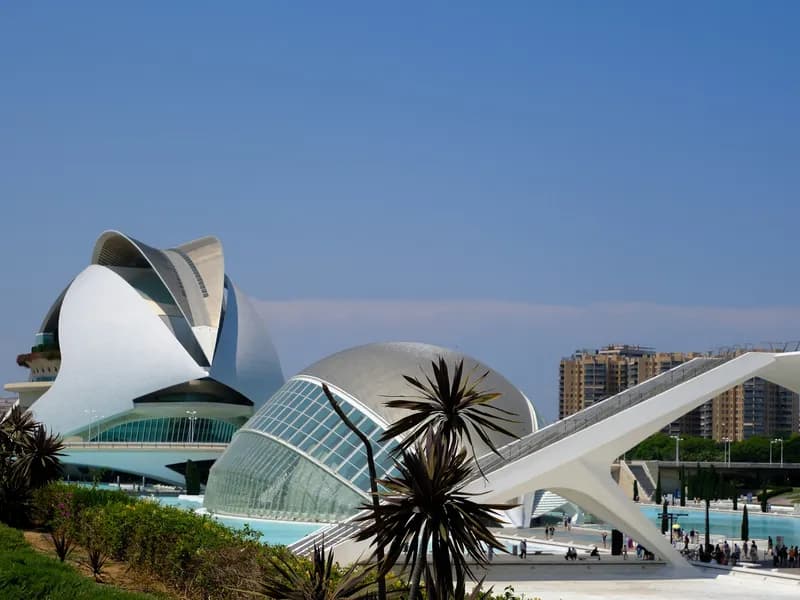
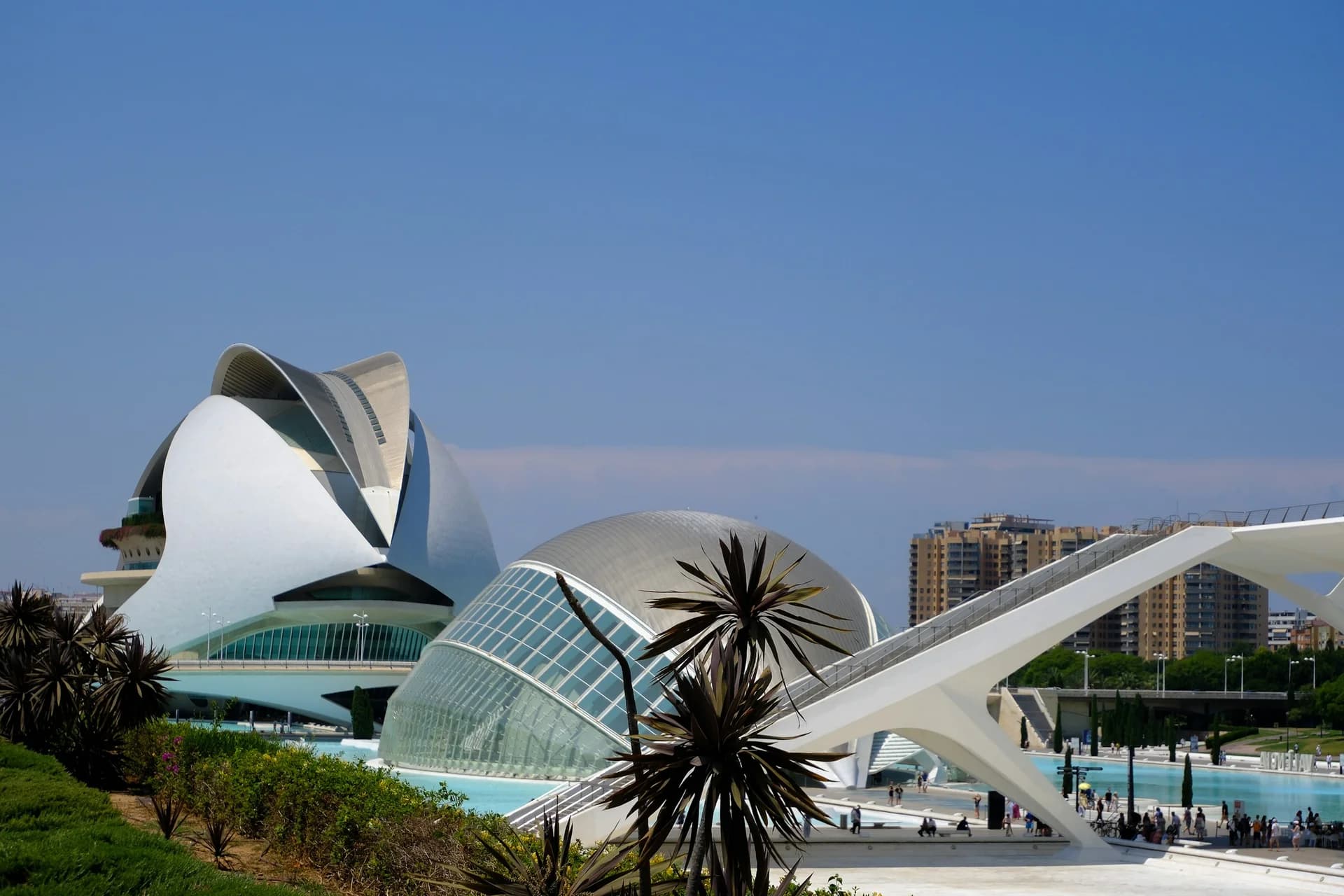
Yes, and give it a full day. Santiago Calatrava's gleaming white complex sits in long reflecting pools at the east end of the Turia. The Oceanogràfic — Europe's largest aquarium, with a walk-through ocean tunnel and belugas — runs around €35. The Príncipe Felipe Science Museum is around €8. Combo passes save money if you're doing both. Buy tickets online to skip the lines, and arrive at opening to beat the school groups.
What languages are spoken?
Spanish (Castilian) and Valencian (a variant of Catalan) are both official. English is common in tourist areas, so you'll get by — but a few words of Spanish open doors and earn warmth.
Is Valencia safe?
Very. It's rated Generally Safe (Level 1) and is one of Spain's safest big cities. Violent crime is rare. The thing to watch is petty theft — keep your bag zipped on a crowded metro or tram, and don't leave belongings unattended on Malvarrosa beach.
Do you need a visa?
Spain is in the Schengen area, so US, UK, Canadian, and Australian travelers enter visa-free for 90 days in any 180-day window. The ETIAS travel authorization (around €7) is now required for visa-exempt visitors — register online before you fly.
What's the best free thing to do?
The Turia Gardens, easily. The old riverbed was turned into a sunken 9 km park after the 1957 flood, and it's free and open at all hours — perfect for a jog, a picnic, or a bike ride past the giant Gulliver playground and the Palau de la Música. On Sundays, stack free entry to La Lonja and the Torres de Serranos on top.
Where should you go for the beach?
Malvarrosa, a wide golden city beach with a palm-lined promenade of paella restaurants, 20 minutes out by tram or metro. Loungers run about €5. Right inland is El Cabanyal, the old fishermen's quarter of colorful tiled houses, increasingly hip with galleries and seafood spots — pair a beach morning with a paella lunch there.
What's a good day trip?
Several. La Albufera (bus 25, around €1.50) for the rice paddies and sunset boat ride. Sagunto (Cercanías C6, around €4) for the Roman theatre and hilltop castle. Xàtiva (Cercanías C2, around €5) for the dramatic twin ridge-top castle. Or the Utiel-Requena wine region for Bobal reds and underground cellars — the same cellar-hopping ritual that fills Bordeaux.
Quick Reference
| Question | Short Answer |
|---|---|
| Days needed | 3-4 (a week with day trips) |
| Best season | March-June, September-October |
| Airport transfer | Metro 3/5, ~20 min, €4.90 |
| Transit pass | Valencia Tourist Card, from ~€15/24h |
| Paella timing | Lunch only, ~2 PM |
| City of Arts | Full day; Oceanogràfic ~€35 |
| Signature drink | Horchata + fartons, ~€4 |
| Best free site | Turia Gardens (9 km park) |
| Beach | Malvarrosa, 20 min by tram |
| Top festival | Las Fallas, March 15-19 |
| Safety level | Level 1, mind your bag |
| Visa | Schengen 90 days + ETIAS ~€7 |
Sort the logistics in the table, then let the city set the pace — our Valencia travel-tips playbook covers the on-the-ground details. Eat late, lunch long, and don't rush the afternoons. Valencia rewards it.
Related Articles
 Travel Guides
10 Things to Do in the Maasai Mara That Aren't Just the River Crossing
 Travel Guides
12 Best Things to Do in Luxor: A Both-Banks Hit List for Ancient Thebes
 Travel Guides