Valencia Travel Tips: 18 Things to Know Before You Go in 2026
Valencia rewards travelers who arrive with a plan. Spain's sun-soaked third city, quieter and better value than Barcelona up the coast, runs on its own rhythm — late dinners, long lunches, a sacred afternoon pause — and the quickest way to feel like you belong here is to stop fighting it. Around 300 sunny days a year, a 9 km park threading the city center, and the original paella waiting at the source: this is a city you can do cheaply, comfortably, and well, if you know a few things first.
Here's what to sort out before you land at VLC.
Getting In and Around
Skip the airport taxi and take the metro. Lines 3 and 5 run from Valencia Airport (VLC), 8 km west of the center, straight to Xàtiva or Àngel Guimerà in about 20 minutes. A single is €4.90. A taxi is a flat €20-25 — fine if you've got luggage and a crew, but the metro drops you right in the old town.
Buy the Valencia Tourist Card if you'll sightsee at all. It starts around €15 for 24 hours and covers unlimited metro, tram, and bus — including the airport line — plus discounts at the big sights. Do the math: one airport ride is already €4.90, so the card pays for itself fast.
You can walk most of the historic center. Base yourself in Ciutat Vella, near Plaza de la Reina or El Carmen, and almost everything is a 10-15 minute stroll. The recently pedestrianized squares of Plaza de la Reina and Plaza de la Virgen make the whole core a pleasure on foot.
Rent a bike for the Turia. The old riverbed park runs 9 km through the heart of the city, flat and traffic-free. Grab a Valenbisi (the first 30 minutes are roughly free with a short-term pass) or a shop bike for about €10/day, and you can roll from the old town to the City of Arts in one shaded, car-free ribbon.
When and What to Eat
Eat paella at lunch, not dinner. This is the rule locals will never break. Authentic Valencian paella is a midday dish, cooked fresh and served around 2 PM. Order it for dinner and you've outed yourself as a tourist. The smart move is a long lunch at Casa Carmela in El Cabanyal, where they cook over an orange-wood fire (around €22 per person, book ahead), or the historic, Hemingway-haunted La Pepica on the Malvarrosa seafront.
Order a minimum of two portions. Paella is made to share. Expect to commit to at least two servings, and skip any restaurant with pre-made photo menus out front — those are tourist traps, not rice houses.
Try horchata and fartons in the afternoon. Valencia's signature drink is horchata, a sweet, cold, milky chufa (tiger-nut) beverage served with finger-shaped fartons for dipping — around €4 for the set. Head to the historic, tiled Horchatería Santa Catalina off Plaza de la Reina. It's the cheap, refreshing antidote to a hot afternoon.
Lunch at the Mercado Central. The 1928 Modernista hall has nearly 1,000 stalls of jamón, seafood, and produce (free entry, open Mon-Sat until about 3 PM). Queue at Ricard Camarena's Central Bar counter inside — the soft-egg bocadillo is the order, around €10-15.
Order agua de Valencia, but pace yourself. This cava-and-orange cocktail (€6-8 on a beachfront chiringuito) goes down like juice and hits like neither. Lovely at sunset on the Malvarrosa promenade. Dangerous by the third round.
Timing Your Sights
Climb El Miguelete first thing. The 207-step octagonal bell tower beside the cathedral (around €2) gives the best 360-degree view over the terracotta rooftops — and the spiral staircase is narrow. Go at opening, before the queues and the heat.
Do the Oceanogràfic at opening too. Europe's largest aquarium (around €35) fills with school groups by mid-morning. Arrive when the doors open and you'll have the walk-through ocean tunnel nearly to yourself. Combo passes with the science museum save real money if you're doing the whole City of Arts site, and budget a full day for it — we lay out exactly how in our Valencia questions answered.
Visit La Lonja, and time it for a Sunday if you can. The UNESCO-listed 15th-century silk exchange — those spiralling palm-like Gothic columns — is around €2, but free on Sundays. So are the climbs up the Torres de Serranos and Torres de Quart city gates. Stack your free Sunday visits.
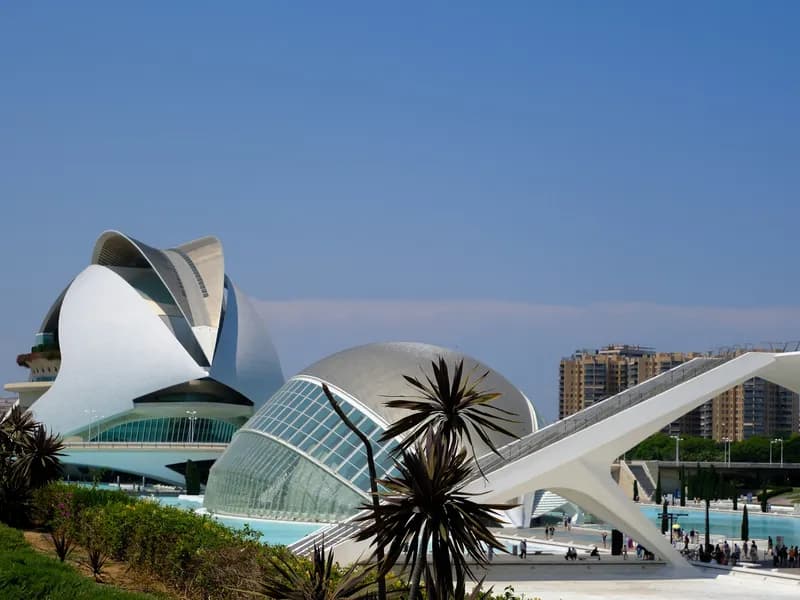
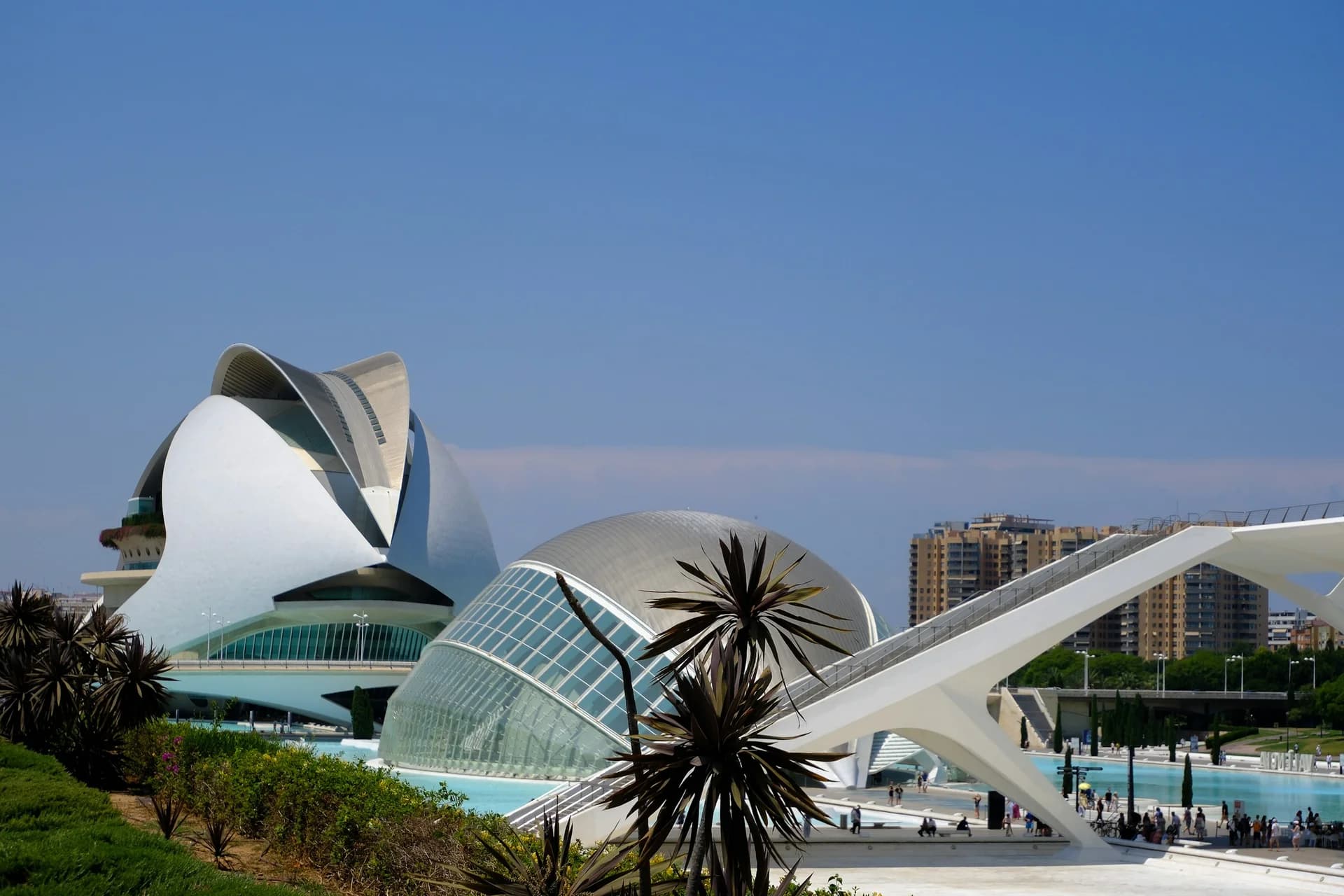
Catch the Hemisfèric at golden hour. The IMAX 'eye' building mirrored in Calatrava's long reflecting pools is Valencia's signature shot. Walk the perimeter as the light softens. Morning works for crowds; evening works for the photo.
Money, Festivals, and the Fine Print
Sort your ETIAS before you fly. Spain is in the Schengen zone, so US, UK, Canadian, and Australian travelers enter visa-free for 90 days in any 180-day window — the same window that also covers a side-hop to the Algarve. The ETIAS authorization (around €7) is required for visa-exempt visitors — register online before departure and don't leave it to the airport.
Plan hard around Las Fallas. If you come for the festival (March 15-19), book your hotel months ahead — rooms vanish. Expect giant satirical sculptures, deafening daily mascletà firecracker displays at 2 PM in Plaza del Ayuntamiento, and packed streets. Bring ear protection and keep valuables zipped away.
Watch your bag on the beach and metro. Valencia is one of Spain's safest big cities (Level 1), and violent crime is rare. The real risk is opportunistic bag-snatching on a crowded tram or an unwatched towel on Malvarrosa sand. Keep it zipped, keep it close.
Escape to La Albufera for sunset. Bus 25 runs from the center to El Palmar (around €1.50), the lakeside village where paella was actually born, set among rice paddies. A traditional reed-boat ride across Spain's largest freshwater lagoon is €4-6 per person, and the sunset over the water is the kind of thing you plan a trip around.
Packing Essentials
- Lightweight layers and real sun protection. Summers hit 28-32°C with relentless sun; a hat and high-SPF earn their place in the bag.
- Comfortable walking shoes. The old town is cobbled and you'll log miles between the cathedral, the market, and the Turia.
- A reusable water bottle. Tap water is fine and the heat is no joke.
- Ear protection if you're anywhere near Las Fallas — the mascletà is genuinely deafening.
- A swimsuit, always. Malvarrosa is 20 minutes away by tram, and an impromptu beach afternoon is a Valencia tradition — and if pure beach time is the goal, Spain's Canary Islands stretch that season across the whole year.
- A light jacket for evenings, even in shoulder season, when the sea breeze picks up after dark.
What Travelers Wish They'd Known
That Valencia runs late, and that's a feature, not a bug. Dinner doesn't really start before 9 PM. The afternoon siesta closes shops and quiets the streets — so do what the locals do, slow down, nap or café-sit, and save your energy for the long evenings.
That the City of Arts deserves a full day, not a rushed two hours squeezed between other plans.
And that the best paella isn't on the seafront tourist strip at all — it's inland in El Palmar, among the rice paddies, eaten at 2 PM the way it was meant to be. Plan for that one lunch, and the rest of Valencia falls into place around it.