What Varsovians Actually Know About Warsaw (That Tourists Miss)
What Varsovians Actually Know About Warsaw (That Tourists Miss)
Ask anyone who lives here and they'll sigh at the same tired question: "Isn't Warsaw just grey?" It isn't. That reputation belongs to a city that stopped existing decades ago. Roughly 85% of Warsaw was flattened in WWII, then rebuilt — sometimes brick by brick from old paintings, sometimes from scratch in glass and steel. What stands now is stranger and far better than the postcards let on — nothing like Kraków, the medieval city two and a half hours south that the war left standing.
Here's what longtime Varsovians know that most visitors work out a day too late.
The Old Town is a reconstruction — and that's the point
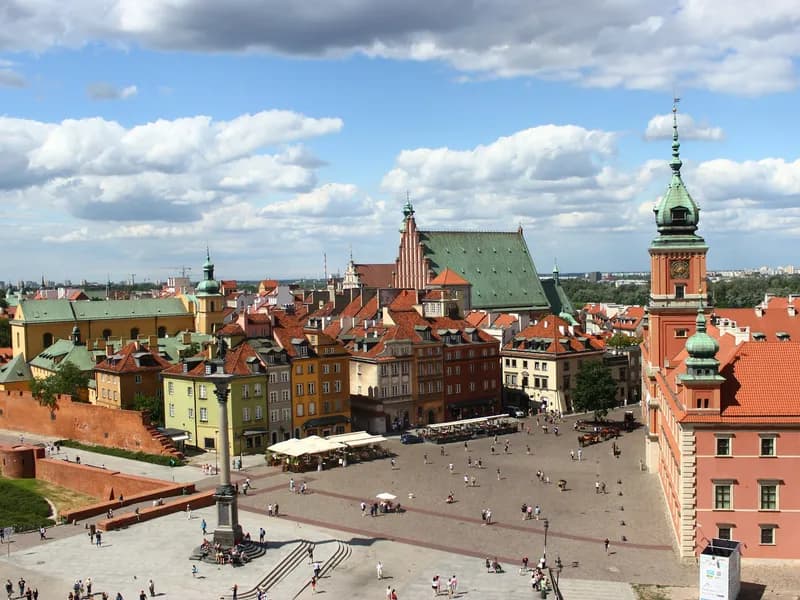
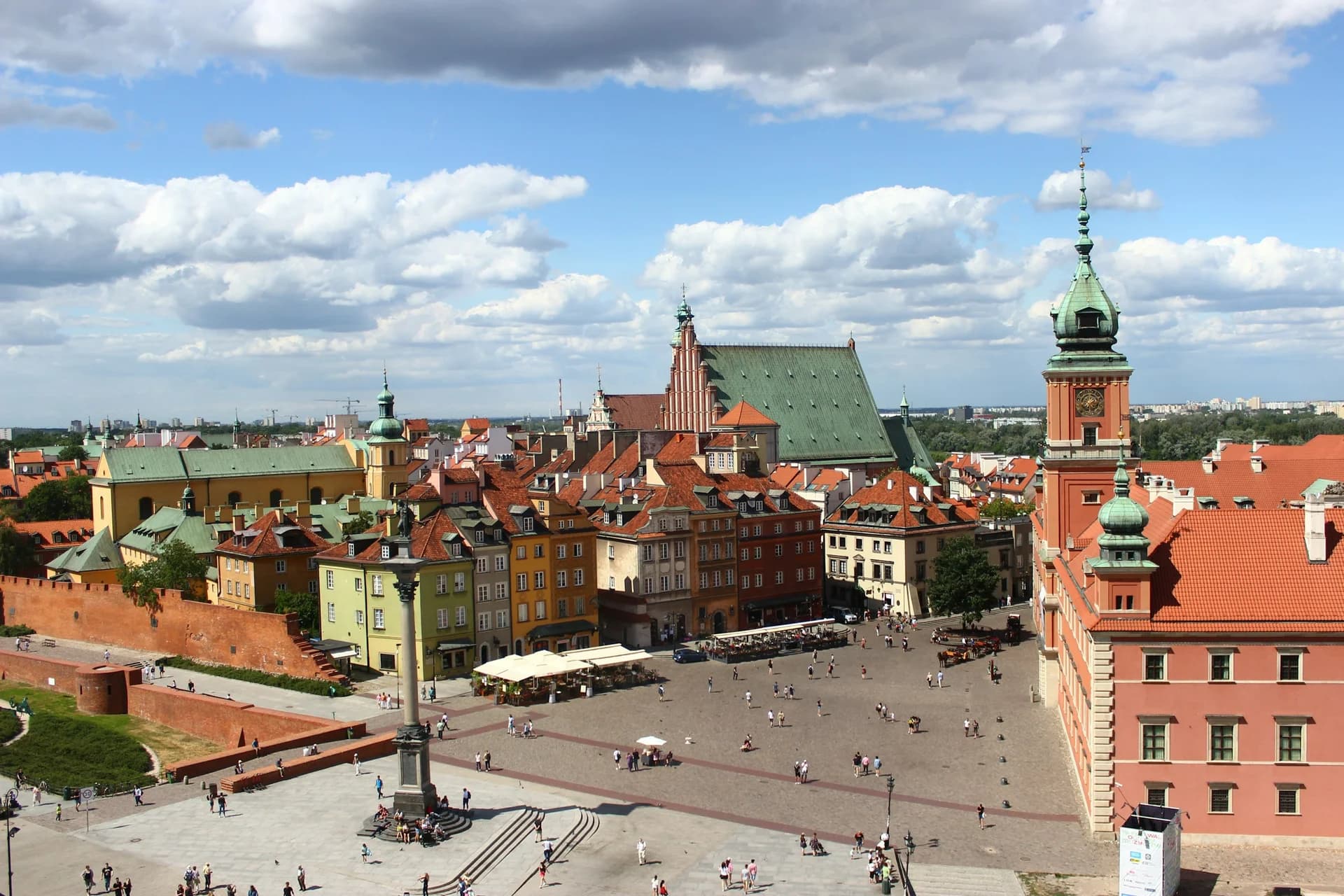
Locals will tell you the Old Town (Stare Miasto) isn't old. Not really. The pastel merchant houses around the Market Square were rebuilt after the war, largely from Canaletto's 18th-century cityscapes and surviving plans. UNESCO listed it precisely because that reconstruction was so exact. So walk it. Find the Warsaw Mermaid statue. Climb St. Anne's Church tower by Castle Square (about PLN 15, roughly $4) for the classic red-rooftop view over the Vistula. Just don't mistake the square's terrace cafés for where the city actually eats — those are priced for you, the visitor. Varsovians eat two streets over.
Milk bars are the move, and small cash still helps
The single best-value meal in Warsaw is a bar mleczny — a milk bar, the subsidized cafeteria that's outlasted communism, capitalism, and every food trend since. A plate of pierogi plus a bowl of żurek (sour rye soup, sometimes poured into a bread bowl) runs under PLN 30 (about $7.50) total — one of several money-savers we round up in our Warsaw travel tips. Bar Prasowy on Marszałkowska 10/16 is the retro classic. Bar Bambino on Krucza 21 is the no-nonsense workhorse. Order at the counter, point if your Polish fails, and carry a little cash — some milk bars still prefer it, and the queue moves fast.
Skip the folklore-costume pierogi tavern on the Old Town square charging PLN 27 a plate. Do a milk bar instead. The dumplings are better and you'll eat where actual Varsovians eat.
Pay in złoty, and decline the "home currency" offer every time
Poland is in the EU but keeps its own money, the złoty (PLN). When a card terminal asks whether you'd like to be charged in dollars or pounds instead, say no. Every single time. That's dynamic currency conversion, and the exchange rate baked into it is quietly awful. Cards work nearly everywhere here — even at market stalls — so tap in złoty and let your own bank handle the conversion.
Nobody local takes the taxi rank at the station
Warsaw is genuinely safe. It sits at Level 1, the calmest tier, and violent crime against visitors is rare. The one reliable rip-off is the unmarked "mafia taxi" idling near the Old Town and Warszawa Centralna, ready to quadruple a fare on someone with a suitcase and no Polish. Locals don't go near them. Open Bolt (the default app here, usually cheaper than Uber) or FREE NOW, or use an official cab with a visible company name and rate card. A ride across the center is a few złoty, not a negotiation.
The metro is only half the transport story
Visitors fixate on the two metro lines and miss the trams, which is where most of the useful routes live. A single ticket is about PLN 4.40 ($1.10); a 24-hour pass is roughly PLN 15 ($3.75) and pays for itself by lunch. Buy tickets in the mobiWAW or Jakdojade app — Jakdojade is what locals use to route door to door — and validate a paper ticket the second you board or you risk a fine. From Chopin Airport, the S2/S3 train or bus 175 drops you in the center for the price of one ticket.
Free-museum days are real money you can keep
The big hitters each have a free day, and Varsovians plan around them. The Warsaw Uprising Museum (Grzybowska 79, out in Wola) is free on Mondays. The Royal Castle's Grand Apartments are free on Wednesdays — though tickets are limited, so go early. POLIN, the extraordinary museum on the site of the former ghetto, is closed Tuesdays, so don't waste a Tuesday trekking there. Stack these and you can see a week's worth of museums for a fraction of the list price.
The rule locals repeat: give Warsaw two days minimum. One day is for the Old Town. The second is for everything the Old Town isn't.
Praga is where the night actually happens
Ask a Varsovian where to go out and they won't say the Old Town. They'll point you across the Vistula to Praga, one of the few districts that survived the war intact — all faded tenements, courtyard shrines, and a creative-quarter energy the tourist center can't fake. Ząbkowska street is the spine. Find W Oparach Absurdu, a wonderfully cluttered bar that looks like someone emptied a flea market into it. The Neon Museum at the Soho Factory (Mińska 25, ~PLN 20) is best after dark when the salvaged Cold War signs are all lit.
The river is summer's best move, and it's free
For decades the Vistula was something Warsaw turned its back on. Not anymore. The revitalized boulevards below the Old Town fill with beach bars and food stalls from May onward, and free seasonal ferries cross to the wild, sandy east bank — an actual beach, in the middle of a European capital. Locals bring a drink, watch the sun drop behind the skyline, and pay nothing for the best seat in the city.
The Palace of Culture: they joke, then send you up it
Stalin's "gift" skyscraper, still the tallest building in Poland, is the thing Varsovians love to complain about and secretly rely on for directions. The old line — that the 30th-floor terrace has the best view in Warsaw because it's the one spot you can't see the Palace itself — still gets repeated. Go up anyway (~PLN 25, about $6), ideally just before sunset when the light hits the glass towers around it.
Chopin plays free on summer Sundays
From mid-May to September, there are free open-air Chopin concerts in Łazienki Park, beneath the composer's monument, at noon and 4PM on Sundays. The park itself — peacocks, red squirrels, a neoclassical palace on its own little island — costs nothing to enter. It's the move every local recommends and half of visitors never hear about.
Pączki have rules
A pączek is a Polish doughnut, denser and less sweet than the American kind, and the rose-jam version is the one to get. A. Blikle on Nowy Świat 33 is the famous name (about PLN 8 each); Cukiernia Pawłowicz on Chmielna 13 is where locals quietly think the better one is. Don't call it a jelly doughnut to a Varsovian's face.
What visitors get most wrong
They give Warsaw a single day, treat it as a box to tick before Kraków — a call we settle in our full Warsaw-vs-Kraków breakdown — and leave convinced it was "grey." That's the misread the whole city is tired of. Warsaw isn't a pretty medieval town — it's a rebuilt, ambitious, slightly haunted capital with world-class history museums, a milk-bar food culture that costs nothing, a riverfront that reinvented itself, and a nightlife district most tour groups never cross the bridge to reach.
Skip the one-day drive-by. Stay two nights, eat where the counter is loud and the pierogi are PLN 12, and let the city be the thing it actually is instead of the thing the postcard promised.