Warsaw vs Kraków: Which Polish City Is Right for You in 2026?
Warsaw vs Kraków: Which Polish City Is Right for You in 2026?
Every first-time Poland itinerary hits the same fork: Warsaw or Kraków? Take both if you have a week and a Pendolino ticket — the fast train between them runs about two and a half hours. But if you're choosing one, understand this first: they aren't two versions of the same city. They're near-opposites, shaped by the same war in opposite directions.
Kraków came through WWII structurally intact. Its medieval core is the real thing, seven centuries deep. Warsaw was roughly 85% destroyed and rebuilt — a reconstruction in the Old Town, a modern capital everywhere else, all glass towers and reclaimed riverfront. One city is a preserved museum piece. The other is a phoenix that kept growing. Here's the honest head-to-head.
History and old-town feel
Kraków wins the fairytale. Rynek Główny is the largest medieval market square in Europe, anchored by the Cloth Hall and St. Mary's Basilica, where a trumpeter still plays the hejnał on the hour and cuts it off mid-note. Wawel Castle crowns the hill above the river. None of it was bombed flat, and you can feel that authenticity underfoot.
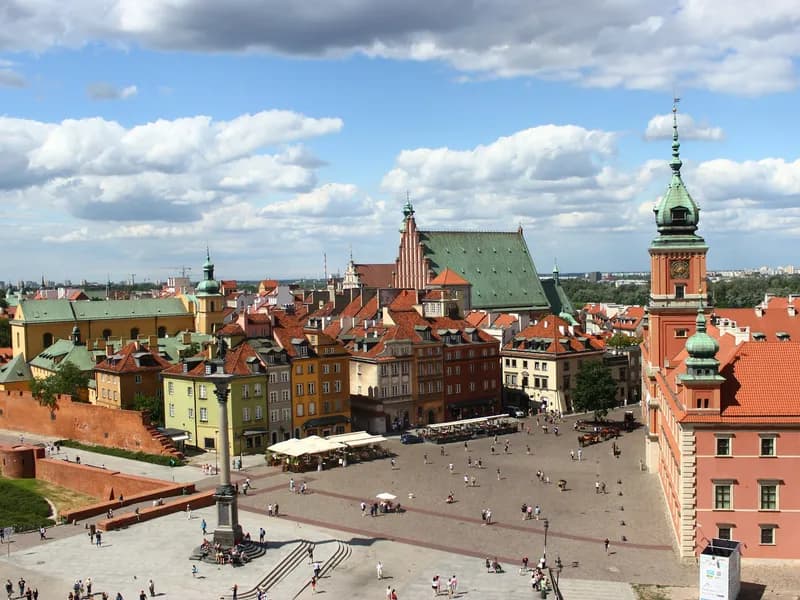
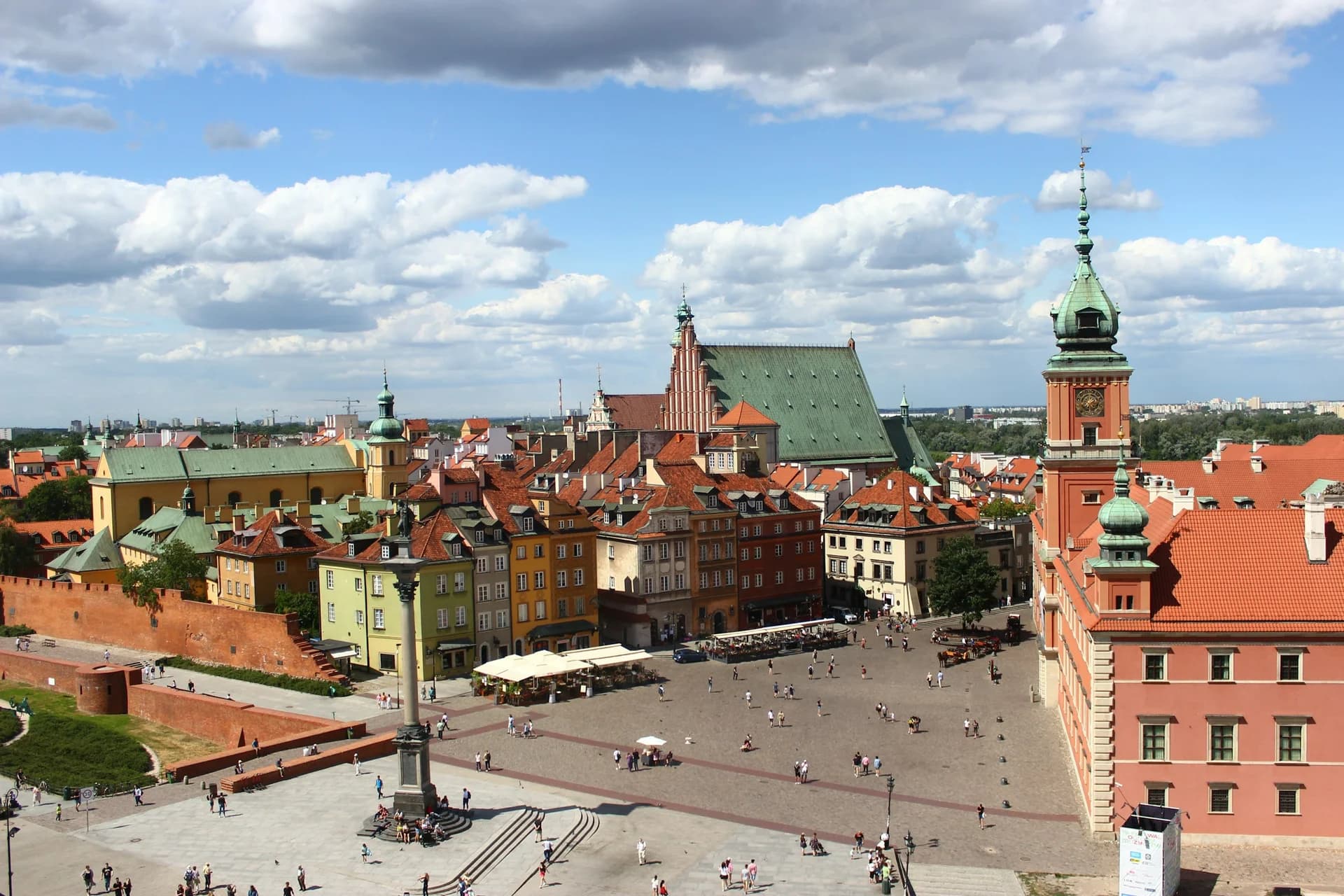
Warsaw's Old Town (Stare Miasto) is a masterful reconstruction — genuinely moving once you know it was rebuilt from Canaletto paintings and old plans — but it is a rebuild, and Kraków's is not. Where Warsaw pulls decisively ahead is 20th-century history. The Warsaw Uprising Museum (Grzybowska 79, ~PLN 45, free Mondays) and POLIN Museum of the History of Polish Jews (Anielewicza 6, ~PLN 45, closed Tuesdays) are two of the most powerful museums in Europe, both standing on the ground where the events happened.
The call: want a fairytale medieval square, choose Kraków. Want to understand the century that made modern Poland, choose Warsaw.
Food
This one is closer than the crowds suggest. Both cities do pierogi, żurek, and the milk-bar tradition well. Warsaw's edge is range and reinvention: a milk bar like Bar Prasowy (Marszałkowska 10/16) for pierogi under PLN 30 in the morning, a restored 1908 market hall like Hala Koszyki (Koszykowa 63) for ramen or tapas at night, a former power station turned food hall (Elektrownia Powiśle) in between. Kraków's food scene is excellent but more concentrated around the old town and Kazimierz.
The call: for variety and modern Polish cooking, Warsaw. For classic pierogi in a medieval cellar, Kraków. Nobody loses.
Nightlife
Kraków is the reliable party. Its old-town cellars and the Kazimierz district pack in bars within stumbling distance of each other, which is exactly why the stag-do crowd descends on it. If you want your nightlife wall-to-wall and walkable, Kraków delivers.
Warsaw's scene is more spread out and, frankly, more grown-up. The Pawilony courtyard off Nowy Świat is a cluster of scruffy bars locals love; Przekąski Zakąski does 24-hour vodka shots for PLN 6; and the real move is crossing the Vistula to Praga, the artsy east-bank district that survived the war and now holds Warsaw's best late nights on Ząbkowska street — the district locals steer you toward after dark.
The call: compact, high-energy, party-till-dawn — Kraków. Distinct neighborhoods with more character — Warsaw.
Prices
Both are a bargain by Western European standards. Kraków tends to be slightly cheaper, especially on accommodation and old-town dining, because it's smaller and lodging supply is dense around the center. Warsaw, as the capital and business hub, runs a touch higher on hotels — but its milk bars, PLN 4.40 transit tickets, and free-museum days keep a Warsaw trip cheap if you play it right — the full playbook is in our Warsaw money-and-transit rundown. Neither city will hurt a mid-range budget.
The call: slim win for Kraków on raw cost, but the gap is small.
Day trips
Kraków has the heavier hitters. Auschwitz-Birkenau (about 70 km west) and the UNESCO-listed Wieliczka Salt Mine are both short, well-organized day trips, and the Tatra Mountains at Zakopane are within reach. That's a genuinely strong roster.
Warsaw's day trips are gentler but rewarding: gothic, war-spared Toruń by fast train (~2.5 hours), Chopin's birthplace at Żelazowa Wola with summer-Sunday recitals, and the Kampinos forest on the city's doorstep. Different in weight, but real.
The call: if a sobering, essential day trip like Auschwitz is central to your visit, Kraków is the logical base.
Crowds
Kraków's old town can feel packed in summer — it's compact, and everyone funnels through the same square. Warsaw is a big city that absorbs its visitors; even in peak season the sights feel breathable, the queues shorter, and the sense of a place that belongs to its residents rather than its tourists stronger.
The call: for elbow room, Warsaw wins comfortably.
Modern vs old
This is the cleanest way to decide. Kraków is the past, beautifully kept. Warsaw is the present and the near future — glass skyscrapers beside a rebuilt Old Town, a riverfront with summer beach bars, hands-on museums like the Copernicus Science Centre (Wybrzeże Kościuszkowskie 20, ~PLN 43). If you want Poland as a living, changing capital, that's Warsaw. If you want Poland preserved in amber, that's Kraków.
The comparison at a glance
| Category | Warsaw | Kraków |
|---|---|---|
| Old Town | Meticulous postwar reconstruction | Authentic, war-survived medieval |
| Standout museums | Uprising Museum, POLIN | Schindler's Factory, Wawel |
| Nightlife | Praga, Pawilony, riverside bars | Kazimierz, old-town cellars |
| Signature day trip | Toruń, Żelazowa Wola | Auschwitz-Birkenau, Wieliczka |
| Crowds | Spread out, breathable | Concentrated, can feel packed |
| Overall feel | Big, modern, ambitious | Compact, historic, walkable |
| Prices | Slightly higher (capital) | Slightly cheaper, esp. lodging |
Which is right for you?
First-timer with only 2–3 days in Poland: Kraków. The old town, Wawel, and an Auschwitz day trip make the most complete short introduction.
History-minded traveler: Warsaw. The Uprising Museum and POLIN are reason enough, and the whole city is a lesson in destruction and rebuilding.
Nightlife and easy walkability: Kraków for the wall-to-wall version, Warsaw's Praga for something with more edge.
Repeat visitor or business traveler: Warsaw. It rewards a second look, has the modern museums and riverfront, and never feels like a theme park.
Families: Warsaw edges it, thanks to the Copernicus Science Centre and Łazienki Park's peacocks and free Sunday Chopin concerts.
Here's the honest verdict. If you can only pick one and it's your first trip, Kraków is the safer postcard. But don't let anyone tell you Warsaw is the boring capital you skip — it's the more surprising, more modern, less crowded city, and the traveler who gives it two full days almost always leaves wishing they'd budgeted three.
Related Articles
 Travel Guides
10 Things to Do in the Maasai Mara That Aren't Just the River Crossing
 Travel Guides
12 Best Things to Do in Luxor: A Both-Banks Hit List for Ancient Thebes
 Travel Guides