When to Visit Krabi: A Season-by-Season Guide to Thailand's Andaman Coast
When to Visit Krabi: A Season-by-Season Guide to Thailand's Andaman Coast
Ask anyone who knows Krabi Province well — the boatmen at the pier, the guesthouse owners, the climbers who never quite left — and the same question comes up over and over: "When should you come?"
The answer isn't as simple as "dry season" or "avoid the monsoon." Each month brings something different to this stretch of Andaman coastline, and the best time depends entirely on what you want from the trip.
Why Timing Matters More Here Than Most Places
Krabi isn't Bangkok. You can't just museum-hop when it rains. The province's biggest draws — island hopping, rock climbing, snorkeling, kayaking — are weather-dependent. The difference between a January visit and a July visit isn't just rain. It's the difference between calm turquoise seas and choppy brown water with jellyfish.
But here's what most guides won't tell you: the "wrong" season carries its own rewards.
Peak Season: November to March
Weather
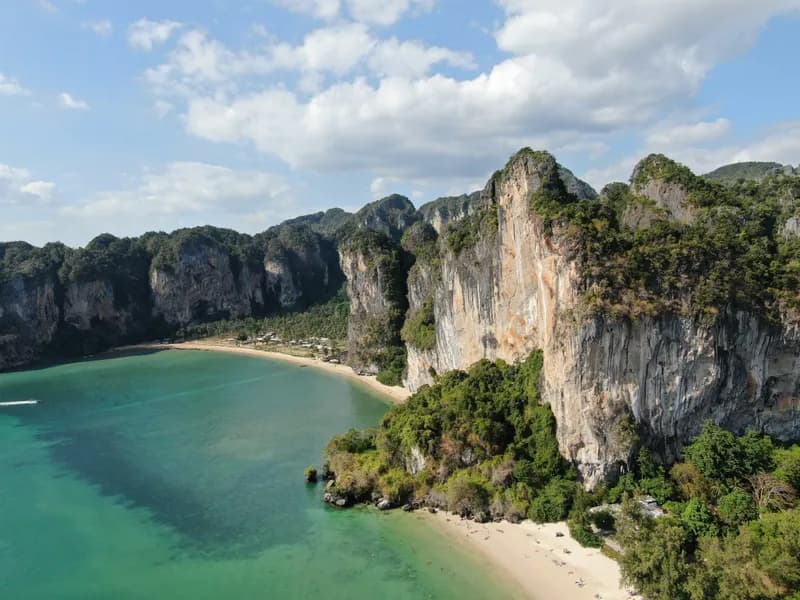
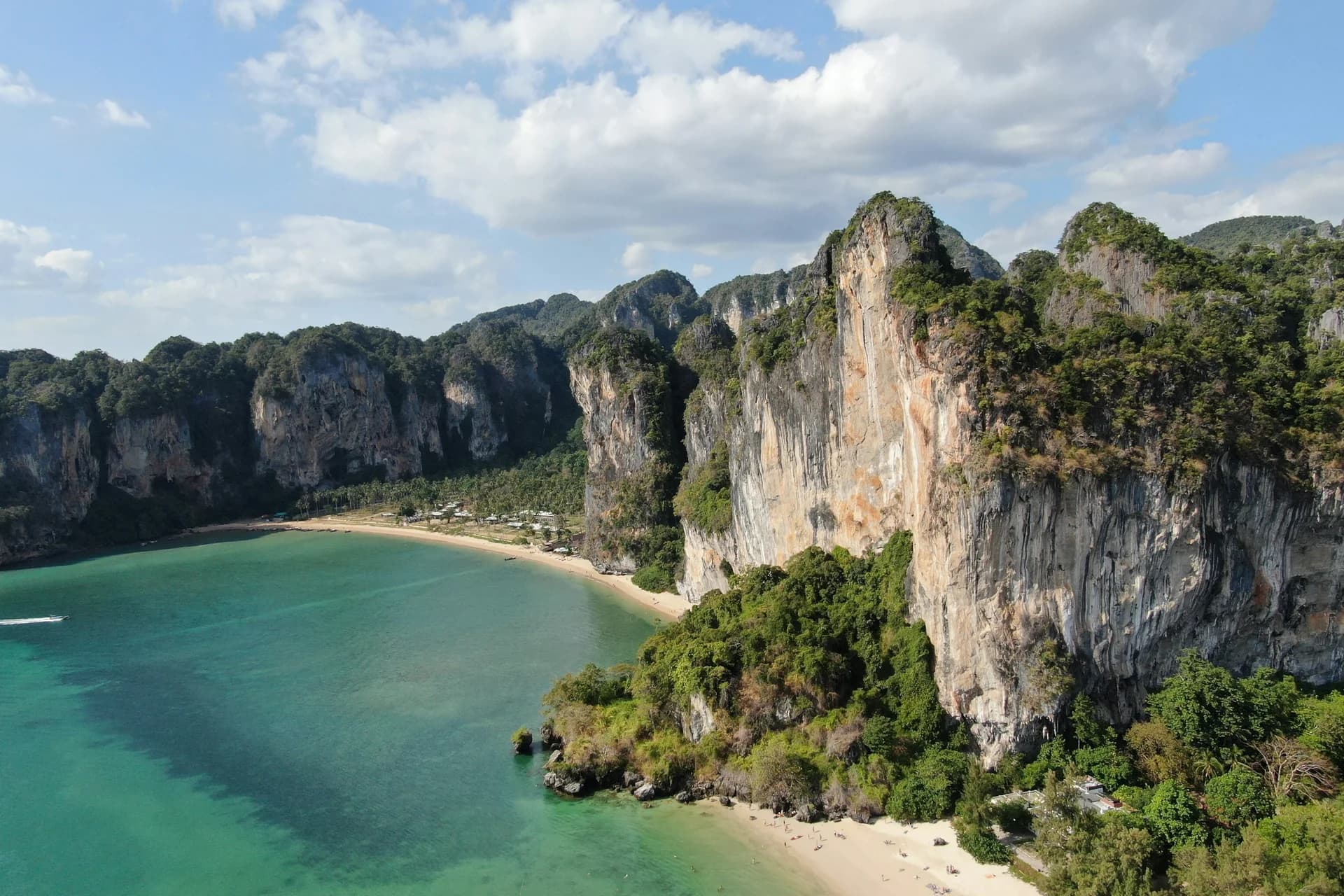
Dry, warm, and about as perfect as tropical weather gets. Temperatures sit between 27-33°C with low humidity by Thai standards. The Andaman Sea is flat calm, visibility underwater hits 20+ meters, and the sunsets burn a nuclear orange.
What's Happening
- Island hopping is at its best. The Four Islands tour, Hong Islands, and even day trips to Phi Phi operate daily without cancellations.
- Rock climbing season peaks. The limestone at Railay and Ton Sai is dry, grippy, and in prime condition. November through February is when the international climbing community descends on Ton Sai beach.
- Snorkeling and diving conditions are ideal. Expect reef sharks, sea turtles, and coral formations in water so clear it feels unreal.
The Catch
Prices spike 40-60% from December through February. That 500 THB guesthouse in Krabi Town? Now 800 THB. The 1,200 THB island tour? Now 1,800 THB. Railay Beach is standing-room-only by 10AM, and Ao Nang gets properly crowded.
Christmas and New Year's are the absolute peak — book accommodation 2-3 months ahead or you'll be left with overpriced resorts.
Best For
First-time visitors, families, divers, climbers, anyone who wants guaranteed good weather.
Hot Season: April to May
Weather
35-38°C and climbing. April is the hottest month in Krabi and feels like standing inside a clothes dryer. Humidity creeps up but the rains haven't started yet. The sea stays calm through April, then starts getting rougher in May.
What's Happening
- Songkran Festival (Thai New Year, April 13-15) transforms Krabi Town and Ao Nang into water fight zones. Giant pickup trucks cruise the streets with barrel-sized water tanks. It's glorious chaos and genuinely one of the most fun experiences in Southeast Asia.
- Prices drop significantly from March onwards, when shoulder season rates kick in.
- The climbing community thins out — too hot for serious multi-pitch routes, though morning sessions are still viable.
The Catch
The heat is no joke. Hiking Tiger Cave Temple in April risks serious dehydration. Start at dawn or skip it. Pool time and boat activities are about all you'll want to do between 11AM and 3PM.
Best For
The Songkran experience, budget travelers who can tolerate heat, couples who want fewer crowds.
Monsoon Season: June to October
Weather
This is where most travel guides lose the plot. They'll tell you to "avoid" Krabi from June to October. That's not entirely wrong, but it's incomplete.
The monsoon brings afternoon downpours — heavy, warm, dramatic rain that usually lasts 1-3 hours and then clears. Mornings are often sunny and pleasant. Sea conditions run rougher, with 1-2 meter swells common.
July and August are the wettest months. September and October see fewer rain days but choppier seas. If your dates are locked into midsummer and you still want sun, the Gulf-side island of Koh Samui runs an opposite calendar — it stays dry through August and saves its own monsoon for October to December.
What's Happening
- Prices crater. This is the best budget window. Accommodation drops 50-70% from peak season rates. A beachfront room in Ao Nang that costs 3,000 THB in January goes for 900-1,200 THB.
- Waterfalls are at their most spectacular. Tiu Kelep in Senaru and the hot springs near Klong Thom carry dramatically increased water volume.
- The Emerald Pool turns even greener during monsoon — mineral concentration rises with the rain runoff.
The Catch
- Box jellyfish appear in Andaman waters from May to October. Many beaches fly warning flags. If stung, apply vinegar, not fresh water.
- Some island tours cancel during rough weather, particularly the Hong Islands and Phi Phi day trips.
- Longtail boats to Railay still run, but the ride is rougher and last boats return earlier (~5PM vs. 6PM in dry season).
- Rip currents are a serious hazard at Railay West and other west-facing beaches.
Best For
Budget travelers, photographers (dramatic clouds and empty beaches), waterfall chasers, anyone who doesn't mind afternoon rain.
Events Calendar
| Month | Event | Notes |
|---|---|---|
| January | Peak climbing season | International climbers at Ton Sai |
| February | Krabi Boek Fa Andaman Festival | Cultural performances, long-boat races |
| April | Songkran (Thai New Year) | Water fights, temple visits |
| May | Start of monsoon | Prices drop, some tours reduce |
| October | End of monsoon | Seas calming, whale sharks spotted |
| November | Loy Krathong | Floating lanterns on water |
| December | High season begins | Book everything early |
What to Pack by Season
Dry season (Nov-Mar): Reef-safe sunscreen, light clothing, a good hat, climbing shoes if you're climbing, reef shoes for rocky islands.
Hot season (Apr-May): Everything above plus electrolyte powder, a cooling towel, and the strongest sunscreen you own. The April sun here will cook you.
Monsoon (Jun-Oct): A packable rain jacket, dry bags for electronics, waterproof sandals, mosquito repellent (the mosquitoes are worse during rainy season), and vinegar for jellyfish stings.
Seasonal Food
Here's something few guides mention: Krabi's food shifts with the seasons.
- November-March: Peak seafood season. Squid, prawns, and blue crab are freshest and cheapest at the night market. Grilled whole sea bass at the pier restaurants drops to 150-200 THB.
- April-May: Mango season. Mango sticky rice becomes extraordinary — the fruit is at its sweetest and most fragrant. Look for the Nam Doc Mai variety.
- June-October: Durian season peaks. Love it or hate it, the freshly cracked durian from roadside stalls in Krabi Town is nothing like the vacuum-packed stuff sold abroad. Rambutan, mangosteen, and longan are abundant and dirt cheap too.
Crowd Levels: The Honest Assessment
- November-December: Moderate. The sweet spot — good weather, not yet full-blown high season.
- January-February: Packed. Especially around Chinese New Year.
- March: Thinning out. Still dry, slightly hotter, noticeably fewer tourists.
- April: Quiet except during Songkran.
- May-September: A ghost town by Krabi standards. Some bars and restaurants on Railay shutter for the season. But the ones that stay open? They're the good ones.
- October: Starting to wake up. The first returning visitors find empty beaches and decent weather.
The Verdict
If this is your first visit and you want the full experience — island hopping, climbing, guaranteed sunny days — come in November. Early November specifically, before the peak season crowds and prices kick in. Krabi's Andaman neighbor Phuket runs on the same weather calendar, so this timing carries over cleanly if you're pairing the two coasts in one trip.
If you've been before and want to see a different side of Krabi — dramatic skies, swelling waterfalls, empty beaches, and prices that make Thailand feel like it did 15 years ago — come in June or September. If that off-season calm is what you're chasing, the quiet beaches of Koh Chang deliver the same low-key, low-cost feel over on the Gulf side.
And if money is no object and you simply want the best weather imaginable? Late January. The seas turn to glass, the sunsets go unreal, and the climbing conditions are perfect. You'll pay for it, but it's worth every baht. For dry-season snorkeling that rivals anything off Krabi, the far-southern island of Koh Lipe shares the same Andaman clarity with a fraction of the crowds.
Krabi is a year-round destination. It's simply a different destination depending on when you show up.