
Florianópolis

Photo: Paulo Kopzinski / Unsplash
Key Facts
Best Time to Visit
December to March (warm summer beach season); March-April for fewer crowds
Language
Portuguese
Currency
Brazilian Real (BRL)
Time Zone
BRT (UTC-3)
Airport
Hercílio Luz International Airport (FLN)
Population
~516,000 (city proper); ~1.2 million (metro area)
Climate
Humid subtropical, avg 25-30°C in summer, 15-20°C in winter
Safety Rating
Generally Safe (exercise normal urban caution)
Region
Capital of Santa Catarina state, on the Island of Santa Catarina
Top Highlights

Lagoa da Conceição
A large saltwater lagoon at the island's heart, ringed by restaurants, sandboarding dunes and nightlife. Free to visit; allow half a day. Watersports (SUP, kitesurf) rentals from ~R$80/hour. About 15 km from downtown.
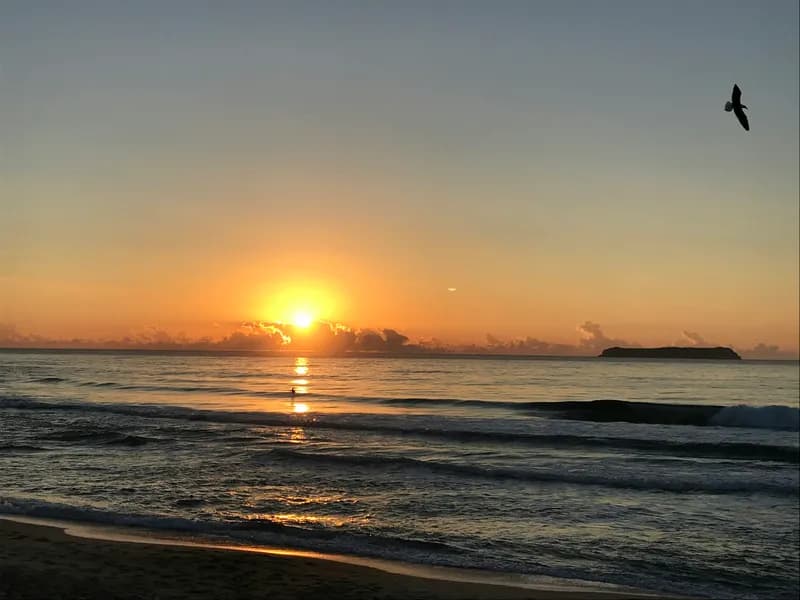
Praia Mole
A golden-sand surf beach popular with a young crowd, framed by green hills. Free entry, open access; allow 2-3 hours. Strong currents mean it suits confident swimmers and surfers. Beach kiosks sell drinks and snacks.
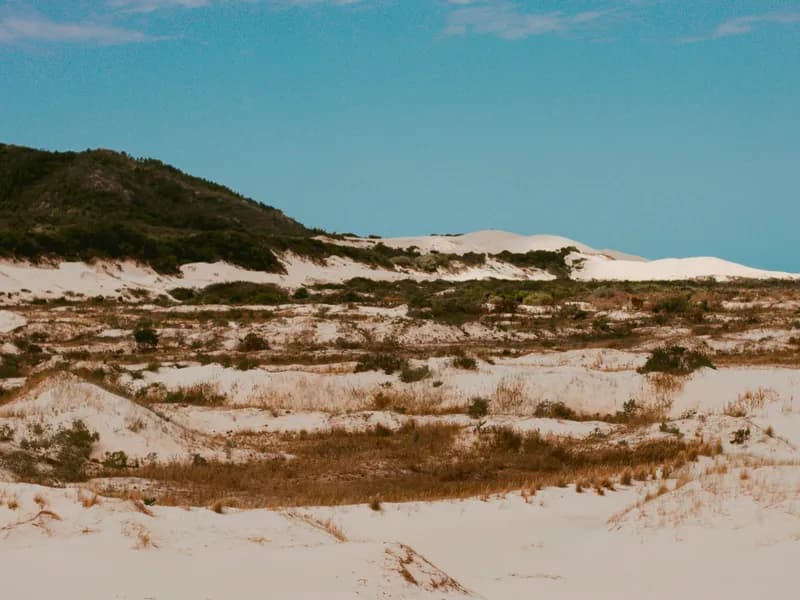
Joaquina Beach
The island's most famous surf spot and site of international competitions, backed by giant sand dunes you can sandboard down. Free access; board rental ~R$20-30. Allow 2-3 hours; best waves in the morning.
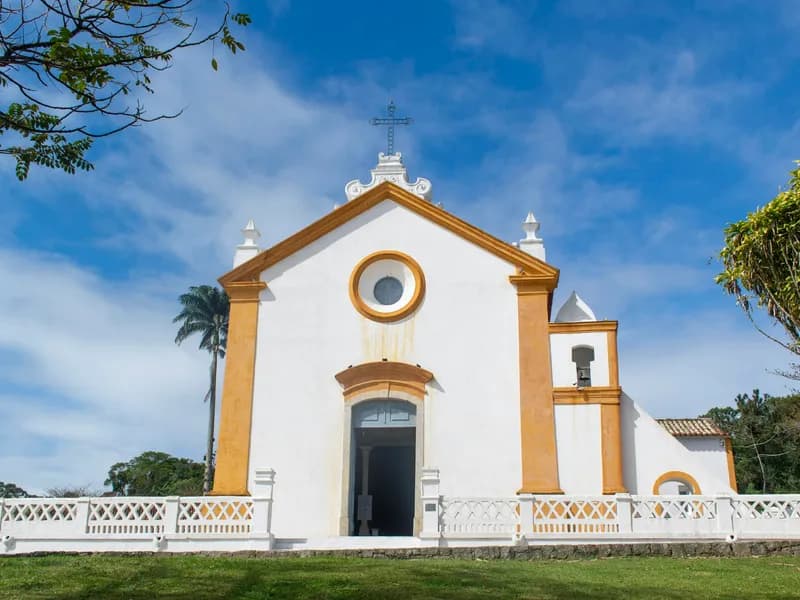
Santo Antônio de Lisboa
A colonial fishing village founded by Azorean settlers, known for pastel colonial houses, a whitewashed church, and waterfront oyster restaurants. Free to wander; allow 2-3 hours. About 12 km north of downtown; best at sunset.

Ilha do Campeche
A protected island nature reserve with turquoise water, snorkeling and archaeological rock carvings. Reachable by boat from Armação or Campeche beach (~R$70-100 round trip); daily visitor cap applies, so arrive early. Allow a full day.
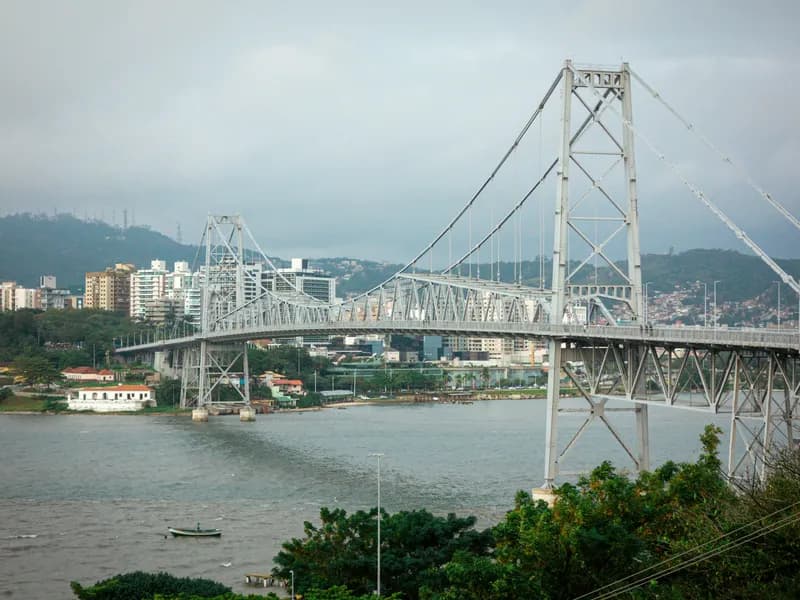
Hercílio Luz Bridge
Brazil's longest suspension bridge and the city's symbol, opened in 1926 and beautifully restored. Free to view and walk across; illuminated at night. Allow 30-60 minutes. Located at the island entrance connecting to downtown.
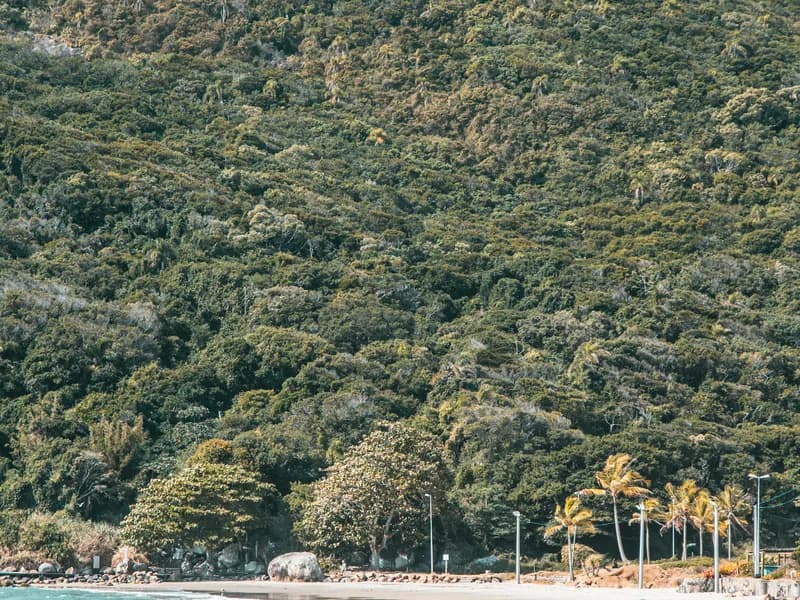
Praia dos Ingleses
A calm, family-friendly beach on the north coast with warmer, gentler water and full tourist infrastructure. Free access; allow 2-3 hours. About 35 km from downtown; plenty of hotels, restaurants and beach clubs nearby.
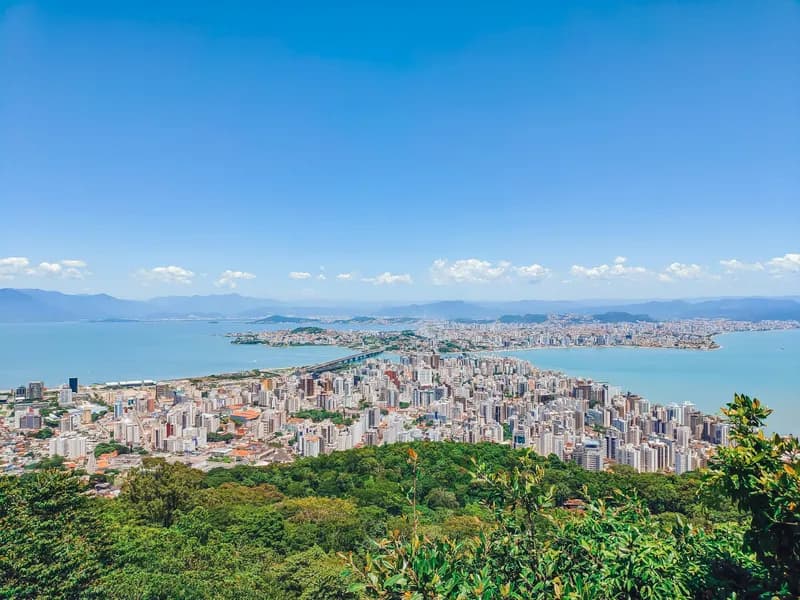
Morro da Cruz Lookout
A hilltop viewpoint over downtown, the bay and both bridges, reachable by car or a steep walk. Free entry; allow 30-45 minutes. Visit by day for the panorama; go with company and avoid after dark.
Planned Itinerary
7-Day Florianópolis Itinerary
Arrival & Downtown Florianópolis
Land at Hercílio Luz International Airport (FLN) and transfer to your base in Lagoa da Conceição, a central lakeside neighbourhood that's an easy launchpad for the island's beaches. After settling in, ease into island life with the historic centre and the city's iconic bridge.
Airport transfer to Lagoa da Conceição(30 minutes)
Grab an Uber or 99 from the airport rank (~R$45-60). Public buses require a transfer at TICEN and are slow with luggage — skip them on arrival day
Check in and lunch at Mercado Público de Florianópolis(1.5 hours)
Head downtown to the 1899 public market. Grab a stool at Box 32 for a sequência de camarão or a bowl of caldinho — a Floripa institution since the 1980s
Hercílio Luz Bridge walk(1 hour)
Stroll the restored deck of Brazil's longest suspension bridge (free) at the island entrance. Arrive around 5PM so you catch it lit up at dusk
Sunset drinks along Avenida Beira-Mar Norte(1.5 hours)
Cocktails and a view of the bay from the waterfront bars; caipirinhas run about R$25-35
North Island — Azorean Villages & Jurerê
Head up the SC-401 to the calmer, historic north of the island. Morning in a colonial fishing village, afternoon on the family-friendly northern beaches. Rent a car for today or use Uber — the north beaches are 12-35 km apart.
Santo Antônio de Lisboa(2.5 hours)
Wander the pastel Azorean houses and whitewashed Nossa Senhora das Necessidades church (12 km north of downtown). This is Floripa's oyster heartland
Oyster lunch at Ostradamus(1.5 hours)
Waterfront restaurant famous for farmed oysters a dozen ways — a fresh dozen runs about R$45-55. Book ahead in summer
Afternoon at Jurerê Internacional(2.5 hours)
Calm, warm water and upscale beach clubs. Grab a lounger at Parador 12 (P12) or just walk the wide sand; entry to beach is free, club minimums apply
Sunset back in Santo Antônio(1 hour)
The village faces west across the bay — one of the island's best free sunset spots
Lagoa da Conceição & Watersports
A relaxed day around the saltwater lagoon at the island's heart — no long drives, since you're based here. Mix watersports with a slow lakeside afternoon, then dive into Floripa's best nightlife right on your doorstep.
SUP or kitesurf on the lagoon(2 hours)
Rent a stand-up paddleboard or take a kitesurf lesson from the operators near Canto da Lagoa (~R$80/hour for SUP). Morning wind is gentler for beginners
Lunch at Ponta das Caranhas(1.5 hours)
Lakeside seafood terrace over the water — try the tainha (mullet) in season or a moqueca for two
Sandboarding on the Lagoa dunes(1.5 hours)
The Joaquina-side dunes rim the lagoon; board rental ~R$20. Late afternoon is cooler for climbing the sand
Free evening — dinner and bars in Centrinho da Lagoa(2.5 hours)
The village centre packs the island's liveliest bar scene. Start with a drink at Rita, then bar-hop along Rua Manoel Severino de Oliveira
Surf Coast — Praia Mole, Joaquina & Barra
String together the east-coast surf beaches, all within a short drive of Lagoa. Strong currents here — swim between the lifeguard flags and leave the big waves to surfers. Pack water and reef-safe sunscreen; the exposed coast has little shade.
Morning at Praia Mole(2 hours)
Golden sand framed by green hills and a young crowd. Beach kiosks sell açaí and cold coconuts; strong rip currents mean it suits confident swimmers only
Joaquina Beach & dune sandboarding(2 hours)
The island's famous surf competition beach, backed by giant dunes. Rent a board (~R$25) and sandboard the slopes; morning has the best waves
Lunch at a Joaquina beach kiosk(1 hour)
Casual grilled fish and portions to share, feet in the sand
Late afternoon at Barra da Lagoa(2 hours)
A laid-back fishing-village beach where the lagoon meets the sea. Walk the wooden footbridge over the canal and watch the boats come in
Ilha do Campeche Day Trip
Dedicate a full day to the island's most beautiful escape — a protected nature reserve with turquoise water and ancient rock carvings. A daily visitor cap applies, so this needs an early start and ideally an advance boat booking.
Boat to Ilha do Campeche(30 minutes)
Catch the boat from Armação or Campeche beach (~R$70-100 round trip). Go on the first departure around 9-10AM before the daily quota fills
Snorkel and swim in the reserve(2.5 hours)
Calm, clear water ideal for snorkelling; bring your own gear or rent on the beach. There are no shops, so pack water and snacks
Guided archaeological trail(1 hour)
A short ranger-led walk to the island's prehistoric rock carvings (inscrições rupestres); numbers are limited so ask on arrival
Return boat and dinner in Campeche(2 hours)
Back on the main island by late afternoon; casual dinner at a Campeche beach spot like Rendez-Vous
The Deep South — Ribeirão da Ilha Oysters & Pântano do Sul
Drive the quiet south of the island, where fishing culture still rules. This is the true oyster capital and home to some of the island's most characterful restaurants. Roads narrow south of Rio Tavares — allow extra time.
Ribeirão da Ilha colonial village(1.5 hours)
The island's oldest Azorean settlement, a sleepy waterfront of colonial houses on the calm inner bay. About 30 km south of downtown
Oyster feast at Ostravagante(1.5 hours)
Overwater deck famed for oysters straight from the farms out front — a dozen grilled with garlic runs about R$50. Reserve for lunch in high season
Pântano do Sul fishing beach(1.5 hours)
A working fishing beach where boats haul in the day's catch. Wander the sand and watch the nets come ashore
Drinks at Bar do Arante(1 hour)
A legendary Pântano do Sul institution wallpapered with thousands of handwritten notes from past guests — leave your own on a napkin
Departure
A relaxed final morning before heading to the airport. Keep it close to base so you're not rushing — Lagoa to FLN is about 30 minutes, longer in summer traffic.
Morning coffee and souvenir shopping in Lagoa(1.5 hours)
Grab a last café com leite and pick up local crafts or Cachaça da Ilha at the Centrinho shops
Farewell walk along the lagoon boardwalk(45 minutes)
A final calm stroll before check-out; the morning light on the water is the island's parting gift
Transfer to Hercílio Luz Airport (FLN)(40 minutes)
Uber/99 back to the airport; allow extra buffer on summer weekends when the SC-401 clogs
14-Day Florianópolis Itinerary
Arrival & Downtown Florianópolis
Land at Hercílio Luz International Airport (FLN) and transfer to your base in Lagoa da Conceição. Ease into island life with the historic centre and the city's landmark bridge before an early night.
Airport transfer to Lagoa da Conceição(30 minutes)
Uber or 99 from the airport rank (~R$45-60). Skip the buses on arrival day — they need a transfer at TICEN
Lunch at Mercado Público de Florianópolis(1.5 hours)
Grab a stool at Box 32 downtown for a sequência de camarão — a Floripa institution
Hercílio Luz Bridge walk at dusk(1 hour)
Walk the restored deck of Brazil's longest suspension bridge (free); arrive near 5PM to see it illuminated
Sunset drinks on Avenida Beira-Mar Norte(1.5 hours)
Bayfront bars with caipirinhas around R$25-35
North Island — Azorean Villages & Jurerê
Drive up the SC-401 to the historic north. A colonial fishing village in the morning, calm northern beaches in the afternoon. Rent a car today — the north beaches are spread 12-35 km apart.
Santo Antônio de Lisboa(2.5 hours)
Pastel Azorean houses and the Nossa Senhora das Necessidades church, 12 km north of downtown
Oyster lunch at Ostradamus(1.5 hours)
Waterfront restaurant known for farmed oysters; a fresh dozen runs about R$45-55. Book ahead in summer
Afternoon at Jurerê Internacional(2.5 hours)
Calm, warm water and upscale beach clubs like Parador 12 (P12); beach access is free
Sunset in Santo Antônio(1 hour)
West-facing village bay — one of the island's best free sunset spots
Lagoa da Conceição & Watersports
A relaxed no-drive day around the saltwater lagoon at your doorstep. Watersports in the morning, a slow lakeside afternoon, and Floripa's liveliest nightlife in the evening.
SUP or kitesurf on the lagoon(2 hours)
Rent a paddleboard or take a kitesurf lesson near Canto da Lagoa (~R$80/hour for SUP); gentler wind in the morning
Lunch at Ponta das Caranhas(1.5 hours)
Lakeside seafood terrace over the water — try the tainha in season
Sandboarding on the Lagoa dunes(1.5 hours)
The dunes rim the lagoon; board rental ~R$20. Late afternoon is cooler for the climb
Free evening in Centrinho da Lagoa(2.5 hours)
Bar-hop the village centre; start at Rita and work along Rua Manoel Severino de Oliveira
Surf Coast — Praia Mole, Joaquina & Barra
String together the east-coast surf beaches, all a short drive from Lagoa. Strong rip currents — swim between the flags. Pack water and reef-safe sunscreen; the coast has little shade.
Morning at Praia Mole(2 hours)
Golden sand, green hills and a young crowd; kiosks sell açaí and coconuts. Confident swimmers only
Joaquina Beach & dune sandboarding(2 hours)
The famous surf-competition beach backed by giant dunes; board rental ~R$25, best waves in the morning
Lunch at a Joaquina beach kiosk(1 hour)
Grilled fish and shared portions, feet in the sand
Late afternoon at Barra da Lagoa(2 hours)
Laid-back fishing-village beach; walk the wooden canal footbridge and watch the boats return
Ilha do Campeche Day Trip
A full day at the island's most beautiful escape — a protected reserve with turquoise water and prehistoric rock carvings. A daily visitor cap applies, so start early and pre-book the boat if you can.
Boat to Ilha do Campeche(30 minutes)
Depart from Armação or Campeche beach (~R$70-100 round trip); take the first ~9-10AM boat before the quota fills
Snorkel and swim in the reserve(2.5 hours)
Calm, clear water; bring or rent gear. No shops on the island — pack water and snacks
Guided archaeological trail(1 hour)
Short ranger-led walk to the prehistoric rock carvings; limited numbers, ask on arrival
Return boat and dinner in Campeche(2 hours)
Back by late afternoon; casual dinner at Rendez-Vous or another Campeche spot
The Deep South — Ribeirão da Ilha & Pântano do Sul
Drive the quiet south, where fishing culture still rules and the oysters are the island's best. Roads narrow south of Rio Tavares, so allow extra time.
Ribeirão da Ilha colonial village(1.5 hours)
The island's oldest Azorean settlement, a sleepy waterfront on the calm inner bay, ~30 km south of downtown
Oyster feast at Ostravagante(1.5 hours)
Overwater deck; a dozen grilled oysters runs about R$50. Reserve for lunch in high season
Pântano do Sul fishing beach(1.5 hours)
A working fishing beach — watch boats haul the day's catch onto the sand
Drinks at Bar do Arante(1 hour)
A legendary bar papered with handwritten guest notes; leave your own
Free Day — Praia da Galheta & Rest
Slow the pace after a busy first week. A gentle morning hike to a hidden beach, then a wholly free afternoon to nap, read, or return to your favourite spot. No fixed schedule today.
Trail to Praia da Galheta(2 hours)
An easy 20-minute walk over the headland from Praia Mole reaches this undeveloped, protected beach with no kiosks or crowds. Bring your own water
Lazy lunch back in Lagoa(1.5 hours)
A long lakeside lunch — no rushing; try Bar do Deca for a moqueca
Free afternoon(3 hours)
Nothing scheduled — spa, siesta, pool, or a second visit to a beach you loved
Sunset ice cream at the lagoon(1 hour)
Walk the boardwalk with a scoop from a local sorveteria as the light drops over the water
Costa da Lagoa Boat Trip & Trout Lunch
A car-free day exploring the far arm of the lagoon, reachable only by boat or foot. This is a hidden pocket of the island where the road stops and the water takes over.
Ferry boat to Costa da Lagoa(40 minutes)
Board the small passenger boat from the pier below the Lagoa bridge (~R$20-30 round trip); it zigzags between waterfront settlements with no road access
Lunch at a Costa da Lagoa waterfront restaurant(1.5 hours)
Try the local trout or a sequência de camarão at one of the family-run decks like Zé do Ariri, right on the water
Walk the historic lagoon trail(1.5 hours)
Follow the old stone footpath (the Caminho da Costa) between hamlets past waterfalls and small chapels; turn back whenever you like
Boat back and evening at leisure(1 hour)
Return ferry to Lagoa; quiet dinner near your base
Lagoinha do Leste Hike
The island's most rewarding trek — a coastal trail to a pristine, roadless beach ringed by Atlantic forest. Start early to beat the heat; bring 2 litres of water, sun protection and a packed lunch, as there are no facilities.
Trailhead at Pântano do Sul or Matadeiro(30 minutes)
Drive south to the Pântano do Sul trailhead; the hike is best started by 8-9AM before the sun peaks
Hike to Lagoinha do Leste(2 hours)
A moderate ~5 km forest-and-ridge trail (each way) drops to a wild, protected beach with no development — one of Brazil's most beautiful. Watch footing on the descent
Swim and picnic on the beach(2 hours)
Cool off, eat your packed lunch, and climb the lagoon-side rocks for the classic overhead view. Leave no trace — carry all rubbish out
Hike out and early dinner(2 hours)
Return by mid-afternoon; a well-earned dinner and early night back near base
Day Trip — Guarda do Embaú Surf Village
Cross to the mainland for a laid-back surf town about 60 km south, regularly named one of Brazil's coolest beaches. A car-free village where you wade across a river to reach the sand.
Drive to Guarda do Embaú(1 hour)
Head south on the BR-101 (~60 km, 1-1.5 hours) to Palhoça's coast. Park at the village edge — no cars reach the beach
River crossing and beach time(2.5 hours)
Wade or take a small boat (~R$5) across the Rio da Madre to the beach; consistent waves make it a top surf spot, with rentals and lessons on the sand
Lunch in the village(1.5 hours)
Casual seafood and açaí bowls at a village bar; the pace here is barefoot and unhurried
Sunset hike up Morro da Guarda(1.5 hours)
A short climb behind the village opens a sweeping view over the river mouth, beach and Serra do Tabuleiro before the drive back
Praia do Rosa & Ibiraquera Lagoon Day Trip
A longer drive south to one of Santa Catarina's most beautiful bays, a bohemian beach village set on green hills. In whale season (Jun-Nov) southern right whales calve just offshore.
Drive to Praia do Rosa(1.5 hours)
About 90 km south via the BR-101 to Imbituba's coast; the final descent into the bay is a highlight in itself
Beach and clifftop walk(2 hours)
Walk the horseshoe bay and climb to the north headland for the postcard view. In winter, book a whale-watching boat (~R$150-200) from Imbituba
Lunch overlooking the bay(1.5 hours)
A hillside restaurant with a bay view; fresh fish and a cold Original beer
SUP or sunset on Lagoa de Ibiraquera(2 hours)
Detour to the calm Ibiraquera lagoon nearby for a paddle or a golden-hour drink before the drive home
Island Culture — Cooking Class & Oyster Farm
Trade sightseeing for hands-on island culture: learn to shuck and cook the oysters Floripa is famous for, straight from the farms in the calm southern bay. A slower, deeper day.
Oyster farm visit in Ribeirão da Ilha(1.5 hours)
Tour a working oyster and mussel farm on the inner bay; several producers near Ribeirão offer visits where you see the cultivation racks up close
Seafood cooking experience(2.5 hours)
Join a hands-on class to prepare a moqueca or grilled oysters with garlic butter, then eat what you cook. Book a private or small-group class in advance
Free afternoon in Campeche(2 hours)
Wind down on the long, breezy sweep of Praia do Campeche; calmer at the south end near Morro das Pedras
Relaxed dinner near base(1.5 hours)
Light dinner in Lagoa — you'll have eaten well by now
Free Day — North Beaches or Rest
A flexible penultimate day. Return to a favourite beach, tick off one you missed, or simply do nothing. A suggested easy loop of the calm north coast is below, but there's no obligation to follow it.
Morning at Praia dos Ingleses(2.5 hours)
Warm, gentle water and full beach infrastructure on the north coast (~35 km from Lagoa) — an easy, family-friendly swim beach
Lunch at Praia Brava or Ingleses(1.5 hours)
A beachfront table with fried fish and a cold chopp
Free afternoon(3 hours)
Nothing planned — last-minute shopping, a spa treatment, or a nap. Recharge before departure
Farewell dinner in Lagoa(2 hours)
A proper send-off meal — book a table at a Centrinho favourite and toast the island
Departure
A calm final morning near base before your flight. Lagoa to FLN is about 30 minutes, longer in summer traffic — build in a buffer.
Morning coffee and souvenirs in Lagoa(1.5 hours)
A last café com leite and a bottle of Cachaça da Ilha or local crafts from the Centrinho shops
Final lagoon walk(45 minutes)
A quiet boardwalk stroll in the morning light before check-out
Transfer to Hercílio Luz Airport (FLN)(40 minutes)
Uber/99 to the airport; add a buffer on summer weekends when the SC-401 clogs
21-Day Florianópolis Itinerary
Arrival & Downtown Florianópolis
Land at Hercílio Luz International Airport (FLN) and transfer to your base in Lagoa da Conceição. Ease into island life with the historic centre and the landmark bridge.
Airport transfer to Lagoa da Conceição(30 minutes)
Uber or 99 from the airport rank (~R$45-60); skip the buses with luggage
Lunch at Mercado Público de Florianópolis(1.5 hours)
Box 32 downtown for a sequência de camarão — a Floripa institution
Hercílio Luz Bridge walk at dusk(1 hour)
Walk the restored deck of Brazil's longest suspension bridge (free); near 5PM it lights up
Sunset drinks on Avenida Beira-Mar Norte(1.5 hours)
Bayfront bars, caipirinhas around R$25-35
North Island — Azorean Villages & Jurerê
Drive the SC-401 to the historic north — a colonial fishing village in the morning, calm northern beaches after. Rent a car; the north beaches are 12-35 km apart.
Santo Antônio de Lisboa(2.5 hours)
Pastel Azorean houses and the Nossa Senhora das Necessidades church, 12 km north of downtown
Oyster lunch at Ostradamus(1.5 hours)
Waterfront oysters; a fresh dozen runs about R$45-55. Book ahead in summer
Afternoon at Jurerê Internacional(2.5 hours)
Calm, warm water and beach clubs like Parador 12 (P12); beach access free
Sunset in Santo Antônio(1 hour)
West-facing bay — one of the island's best free sunsets
Lagoa da Conceição & Watersports
A no-drive day around the lagoon at your doorstep — watersports, a slow lakeside afternoon, and the island's liveliest nightlife.
SUP or kitesurf on the lagoon(2 hours)
Rent a paddleboard or take a lesson near Canto da Lagoa (~R$80/hour for SUP); gentler wind in the morning
Lunch at Ponta das Caranhas(1.5 hours)
Lakeside seafood terrace over the water — try the tainha in season
Sandboarding on the Lagoa dunes(1.5 hours)
Board rental ~R$20; late afternoon is cooler for the climb
Free evening in Centrinho da Lagoa(2.5 hours)
Bar-hop from Rita along Rua Manoel Severino de Oliveira
Surf Coast — Praia Mole, Joaquina & Barra
The east-coast surf beaches, all a short drive from Lagoa. Strong rip currents — swim between the flags. Little shade, so pack water and reef-safe sunscreen.
Morning at Praia Mole(2 hours)
Golden sand and a young crowd; kiosks sell açaí and coconuts. Confident swimmers only
Joaquina Beach & dune sandboarding(2 hours)
Famous surf-competition beach backed by giant dunes; board rental ~R$25, best waves in the morning
Lunch at a Joaquina beach kiosk(1 hour)
Grilled fish and shared portions in the sand
Late afternoon at Barra da Lagoa(2 hours)
Fishing-village beach; walk the wooden canal footbridge and watch the boats return
Ilha do Campeche Day Trip
A full day at a protected reserve with turquoise water and prehistoric rock carvings. A daily visitor cap applies — start early and pre-book the boat if you can.
Boat to Ilha do Campeche(30 minutes)
Depart Armação or Campeche beach (~R$70-100 round trip); take the first ~9-10AM boat
Snorkel and swim in the reserve(2.5 hours)
Calm, clear water; bring or rent gear. No shops — pack water and snacks
Guided archaeological trail(1 hour)
Ranger-led walk to the prehistoric rock carvings; limited numbers, ask on arrival
Return boat and dinner in Campeche(2 hours)
Back by late afternoon; casual dinner at Rendez-Vous
The Deep South — Ribeirão da Ilha & Pântano do Sul
The quiet south, where fishing culture rules and the oysters are the island's best. Roads narrow south of Rio Tavares — allow extra time.
Ribeirão da Ilha colonial village(1.5 hours)
The island's oldest Azorean settlement on the calm inner bay, ~30 km south of downtown
Oyster feast at Ostravagante(1.5 hours)
Overwater deck; a dozen grilled oysters about R$50. Reserve for lunch in high season
Pântano do Sul fishing beach(1.5 hours)
A working fishing beach — watch boats haul the day's catch
Drinks at Bar do Arante(1 hour)
A bar papered with handwritten guest notes; leave your own
Free Day — Praia da Galheta & Rest
Slow down after a busy first week. A short hike to a hidden beach, then a wholly free afternoon. No fixed schedule today.
Trail to Praia da Galheta(2 hours)
An easy 20-minute walk over the headland from Praia Mole to an undeveloped protected beach — no kiosks. Bring water
Lazy lunch in Lagoa(1.5 hours)
A long lakeside lunch; try Bar do Deca for a moqueca
Free afternoon(3 hours)
Nothing scheduled — spa, siesta, or a return to a favourite beach
Sunset ice cream at the lagoon(1 hour)
Walk the boardwalk with a scoop as the light drops over the water
Costa da Lagoa Boat Trip & Trout Lunch
A car-free day exploring the far, roadless arm of the lagoon, reachable only by boat or foot.
Ferry boat to Costa da Lagoa(40 minutes)
Board the passenger boat from the pier below the Lagoa bridge (~R$20-30 round trip)
Waterfront trout lunch(1.5 hours)
Local trout or camarão at a family deck like Zé do Ariri, right on the water
Walk the historic Caminho da Costa(1.5 hours)
Follow the old stone footpath between hamlets past waterfalls; turn back whenever you like
Boat back and evening at leisure(1 hour)
Return ferry to Lagoa; quiet dinner near base
Lagoinha do Leste Hike
The island's best trek — a coastal trail to a pristine, roadless beach. Start early; bring 2 litres of water, sun protection and a packed lunch (no facilities).
Trailhead at Pântano do Sul(30 minutes)
Drive south; start the hike by 8-9AM before the sun peaks
Hike to Lagoinha do Leste(2 hours)
A moderate ~5 km forest-and-ridge trail each way to a wild protected beach; watch footing on the descent
Swim and picnic on the beach(2 hours)
Cool off, eat your packed lunch, and climb the lagoon-side rocks for the classic view. Carry all rubbish out
Hike out and early dinner(2 hours)
Return by mid-afternoon; early night before tomorrow's mountain trip
To the Highlands — Serra do Rio do Rastro
Leave the coast for a three-day excursion into the Serra Catarinense, Brazil's little-known high country of canyons, waterfalls and altitude wine. Today is a scenic drive up one of the country's most spectacular mountain roads. Pack a warm layer — nights here drop sharply, and winter brings frost.
Drive inland toward Urubici(3.5 hours)
Head ~200 km southwest via the BR-282; the landscape shifts from coast to pine-clad highlands. Break the drive with a coffee stop in Alfredo Wagner
Serra do Rio do Rastro viewpoint(1.5 hours)
Detour to the Mirante da Serra do Rio do Rastro, where a road of dizzying switchbacks climbs 1,400 m — one of the world's great driving roads. Stop at the top for the panorama over the plain below
Check in at a Urubici pousada(1 hour)
Settle into a mountain guesthouse; the town sits in Santa Catarina's coldest, highest region
Highland dinner(1.5 hours)
Hearty mountain fare — trout, polenta and pinhão (araucaria pine nuts) at a local restaurant. First of two nights in Urubici
Urubici Canyons, Waterfalls & Altitude Wine
A full day among the highland's headline sights — the highest inhabited point in southern Brazil, dramatic waterfalls, and Brazil's emerging high-altitude wine scene. Roads to some sights are unpaved; a higher-clearance car helps.
Morro da Igreja & Pedra Furada(2 hours)
Drive to the viewpoint at ~1,822 m — the highest inhabited point in southern Brazil — for the wind-carved Pedra Furada rock arch. Entry is through the São Joaquim National Park; check opening hours as access is regulated
Cascata do Avencal(1.5 hours)
A 100 m waterfall with a via ferrata and viewpoints; the short trail and lookout are the easy option (small entry fee)
Lunch and wine tasting at a São Joaquim winery(2 hours)
Detour toward São Joaquim to a high-altitude winery like Villa Francioni or Quinta da Neve; the cold nights produce surprising Brazilian reds. Tastings ~R$50-90
Cânion do Espraiado at sunset(1.5 hours)
A quiet canyon with easy viewpoints; second night in Urubici
Return to the Island — Slow Descent
Wind back down to the coast, taking it slow with a stop or two. Arrive back at your Lagoa base by evening. A driving day, so keep the schedule light.
Morning at a highland fazenda or apple orchard(1.5 hours)
Visit a São Joaquim apple orchard or a rural fazenda for coffee before leaving the highlands (seasonal — apple harvest is Feb-Apr)
Drive back to Florianópolis(3.5 hours)
Retrace the BR-282 to the coast; stop for lunch en route in Bom Retiro or Rancho Queimado
Check back in and unpack(1 hour)
Settle back into your Lagoa base
Easy dinner near base(1.5 hours)
Light, familiar dinner after the drive
Free Day — Recover & Beach
A deliberate rest day after the mountains. Nothing is required — sleep in, float in the lagoon, and reset before the next stretch of coastal exploring.
Slow morning and late breakfast(2 hours)
No alarm; a long café da manhã at a Lagoa bakery
Easy beach afternoon at Praia do Campeche(3 hours)
The long, breezy Campeche sweep is calmer at the south end near Morro das Pedras — good for a low-key swim and a book
Free evening(2 hours)
Nothing scheduled — a massage, a nap, or a quiet dinner in
Day Trip — Guarda do Embaú Surf Village
Cross to the mainland for a laid-back, car-free surf town ~60 km south, regularly named one of Brazil's coolest beaches. You wade across a river to reach the sand.
Drive to Guarda do Embaú(1 hour)
South on the BR-101 (~60 km); park at the village edge — no cars reach the beach
River crossing and beach time(2.5 hours)
Wade or take a small boat (~R$5) across the Rio da Madre; consistent waves with surf rentals and lessons on the sand
Lunch in the village(1.5 hours)
Casual seafood and açaí bowls; the pace here is barefoot
Sunset hike up Morro da Guarda(1.5 hours)
A short climb opens a sweeping view over the river mouth and Serra do Tabuleiro before the drive back
South to Praia do Rosa — Overnight
A two-day escape to one of Santa Catarina's most beautiful bays, a bohemian beach village on green hills about 90 km south. Staying the night lets you enjoy the bay after the day-trippers leave.
Drive to Praia do Rosa(1.5 hours)
About 90 km south via the BR-101 to Imbituba's coast; the descent into the bay is a highlight
Check in and beach afternoon(2.5 hours)
Settle into a hillside pousada, then walk the horseshoe bay and swim
Clifftop sunset walk(1 hour)
Climb the north headland for the postcard view over the bay as the light fades
Dinner overlooking the bay(1.5 hours)
Fresh fish at a hillside restaurant; overnight in Rosa
Whale Watching & Return via Ibiraquera
A slow morning in the bay before heading back. In winter (Jun-Nov), southern right whales calve just offshore here — one of the best land- and boat-based whale-watching spots in Brazil.
Whale watching or beach morning(2.5 hours)
In season, take a boat trip from Imbituba (~R$150-200) to see southern right whales; off-season, a leisurely morning surf or swim in the bay
Lunch and SUP on Lagoa de Ibiraquera(2 hours)
Stop at the calm Ibiraquera lagoon on the way back for a paddle and a lakeside lunch
Drive back to Florianópolis(1.5 hours)
Return north to your Lagoa base by late afternoon
Relaxed evening(1.5 hours)
Quiet dinner near base after two days on the road
Free Day — Your Island, Your Way
A wide-open day with no plan. By now you know which beaches, bars and villages you'd happily return to — go do that. Suggestions below, but the day is yours.
Return to a favourite beach or village(3 hours)
Revisit the spot that stuck with you — Jurerê's calm water, Mole's surf, or Santo Antônio's oysters
Long lunch, no rush(1.5 hours)
Linger over a proper Floripa seafood lunch wherever you are
Free afternoon(3 hours)
Spa, pool, hammock, or one more sandboard run — recharge as you like
Day Trip — Bombinhas Snorkelling & Porto Belo
Head to the clearest water on the southern Brazilian coast, about 65 km north, famed for the best snorkelling and diving in the region around the Arvoredo marine reserve.
Drive to Bombinhas(1.5 hours)
North on the BR-101 to the Bombinhas peninsula (~65 km); this small town has some of Brazil's clearest inshore water
Snorkelling at Praia de Quatro Ilhas or a boat trip(2.5 hours)
Snorkel the rocky points, or join a boat out toward the Reserva Biológica Marinha do Arvoredo for better visibility (~R$120-180)
Seafood lunch in Bombinhas(1.5 hours)
Fresh fish at a beachfront table before the drive back
Stop at Porto Belo(1 hour)
A quick look at the Porto Belo waterfront and pier on the return south
Island Culture — Cooking Class & Oyster Farm
Trade sightseeing for hands-on culture: learn to shuck and cook the oysters Floripa is famous for, straight from the farms in the calm southern bay.
Oyster farm visit in Ribeirão da Ilha(1.5 hours)
Tour a working oyster and mussel farm on the inner bay; several producers near Ribeirão offer visits to their cultivation racks
Seafood cooking experience(2.5 hours)
A hands-on class preparing moqueca or grilled oysters with garlic butter, then eat what you cook. Book a small-group class in advance
Free afternoon at Morro das Pedras(2 hours)
Wind down at the south end of Campeche beach; calmer water and fewer people
Relaxed dinner near base(1.5 hours)
Light dinner in Lagoa
Free Day — North Beaches or Rest
A flexible penultimate day. Tick off a north beach you missed, do some last shopping, or simply rest. The suggested loop below is optional.
Morning at Praia dos Ingleses or Brava(2.5 hours)
Warm, gentle water and full infrastructure on the north coast (~35 km from Lagoa)
Beachfront lunch(1.5 hours)
Fried fish and a cold chopp with your feet near the sand
Souvenir shopping and free afternoon(2.5 hours)
Pick up Cachaça da Ilha, local crafts, or Havaianas; otherwise a nap and packing
Farewell dinner in Lagoa(2 hours)
A proper send-off at a Centrinho favourite
Departure
A calm final morning near base. Lagoa to FLN is about 30 minutes, longer in summer traffic — build in a buffer.
Morning coffee and last souvenirs in Lagoa(1.5 hours)
A final café com leite and anything you meant to buy
Final lagoon walk(45 minutes)
A quiet boardwalk stroll in the morning light before check-out
Transfer to Hercílio Luz Airport (FLN)(40 minutes)
Uber/99 to the airport; buffer extra time on summer weekends
Travel Tips
Visa & Entry
e-Visa Now Required for US, Canadian & Australian Visitors
As of April 2025, Brazil requires an electronic visa (VIVIS) for US, Canadian and Australian citizens, costing about US$80.90 and valid for stays up to 90 days. Apply online well in advance at the official portal (vfsglobal). Many EU, UK and Mercosur nationals still enter visa-free for 90 days.
transport
Rent a Car to Reach the Best Beaches
The island is about 54 km long and its best beaches are spread far apart; public buses (TICEN/TIRIO terminals, ~R$5.40 per ride) are slow and require transfers. A rental car or ride-hailing (Uber/99) is far more practical. Expect heavy summer traffic on the SC-401 north road.
Budget
Carry Some Cash and a Chip-and-PIN Card
The currency is the Brazilian Real (BRL). Cards are widely accepted, but beach kiosks and small villages may be cash-only. Pix (Brazil's instant payment system) is everywhere but needs a local account. Withdraw from Banco do Brasil or Bradesco ATMs to limit fees.
Safety
Beware Rip Currents and Watch Your Valuables
Ocean beaches like Mole, Joaquina and Moçambique have strong rip currents — swim between flags where lifeguards (guarda-vidas) are posted. Florianópolis is safer than most big Brazilian cities, but don't leave phones or bags unattended on the sand, and avoid isolated trails and viewpoints after dark.
Summer Crowds Peak Over New Year and Carnival
From late December through Carnival (Feb/Mar), Argentine and Brazilian tourists flood the island; hotel prices double and roads jam. Book accommodation months ahead for this window, or visit in March-April or November for warm water, lower prices and space on the sand.
Local Customs
Try the Azorean Oysters — Floripa Is Brazil's Oyster Capital
The island produces around 90% of Brazil's farmed oysters. Head to Santo Antônio de Lisboa or Ribeirão da Ilha to eat them fresh at waterfront restaurants for roughly R$40-60 a dozen. Sequência de camarão (a shrimp feast for two) is another local specialty.
Ready to explore Florianópolis?
Get AI-powered recommendations for your trip
Plan a Trip to FlorianópolisRelated Articles
Stories5 Days in Florianópolis: A Day-by-Day Island Plan
Five days, one island, and a route that saves you from the SC-401 traffic trap — here's exactly how to spend each day in Florianópolis, morning to nightcap.
Travel GuidesNorth Island vs South Island: Which Side of Florianópolis Is Right for You?
Same island, two completely different holidays. Here's how the warm, polished north stacks up against the wild, fishing-village south — and which one fits your trip.
Travel GuidesFlorianópolis for Beach Lovers: How to Choose From the Island's 42 Beaches
One island, 42 beaches, and water that changes character every few kilometres — here's how to pick the right stretch of sand for the day you actually want.