
Great Ocean Road

Photo: Graham Holtshausen / Unsplash
Key Facts
Best Time to Visit
December–February for warm beach weather; March–May for calm shoulder-season drives
Language
English
Currency
Australian Dollar (AUD)
Time Zone
AEST (UTC+10); AEDT (UTC+11) during summer daylight saving
Airport
Melbourne (Tullamarine) International (MEL), ~1.5 hrs to the Torquay start; Avalon (AVV) is closer
Population
Region of small coastal towns — Torquay ~18,500, Apollo Bay ~1,600, Lorne ~1,100
Climate
Temperate maritime; summers 15–25°C, winters 8–14°C, changeable and often windy
Safety Rating
Very Safe (Level 1)
Route Length
240 km from Torquay to Allansford; allow 2–3 days to enjoy it, not one
Top Highlights

The Twelve Apostles
The road's signature sight — a cluster of limestone sea stacks (fewer than twelve now remain) rising from the Southern Ocean in Port Campbell National Park. Free; boardwalk viewing platforms open 24/7. Come at sunrise or sunset for golden light and thinner tour-bus crowds; allow 1 hr.
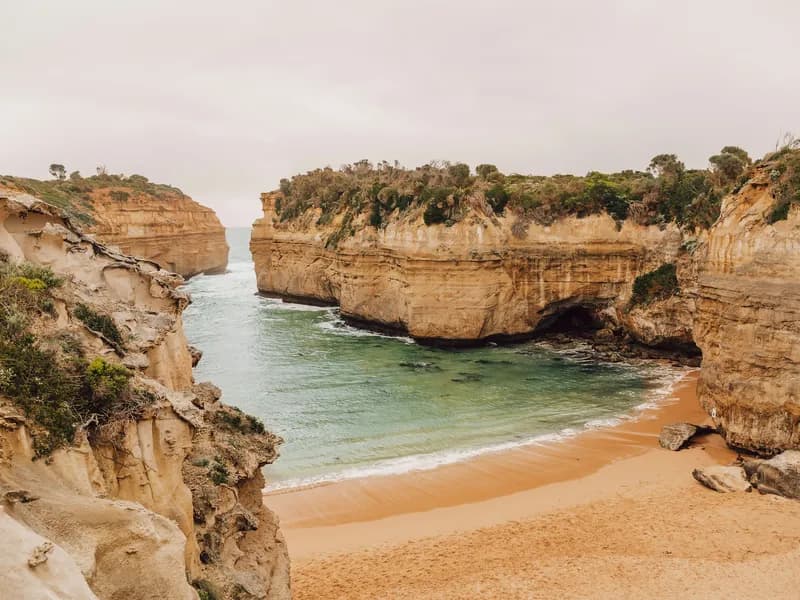
Loch Ard Gorge
A dramatic enclosed beach and gorge just west of the Apostles, named for an 1878 shipwreck. Free, several short cliff-top walks (15–45 min) lead to lookouts and down to the sand. Fewer crowds than the Apostles despite being 3 min away by car — pair the two.
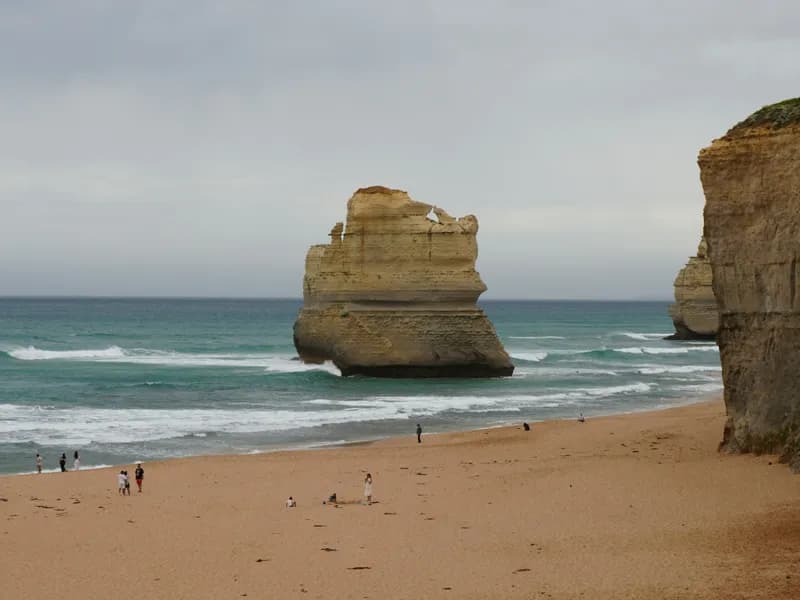
Gibson Steps
A staircase of 86 steps carved into the cliff dropping to a beach directly beneath two of the Apostles, giving a rare ground-level perspective. Free, ~15 min down and back. Check tide times before descending — the beach vanishes at high tide and swimming is dangerous.
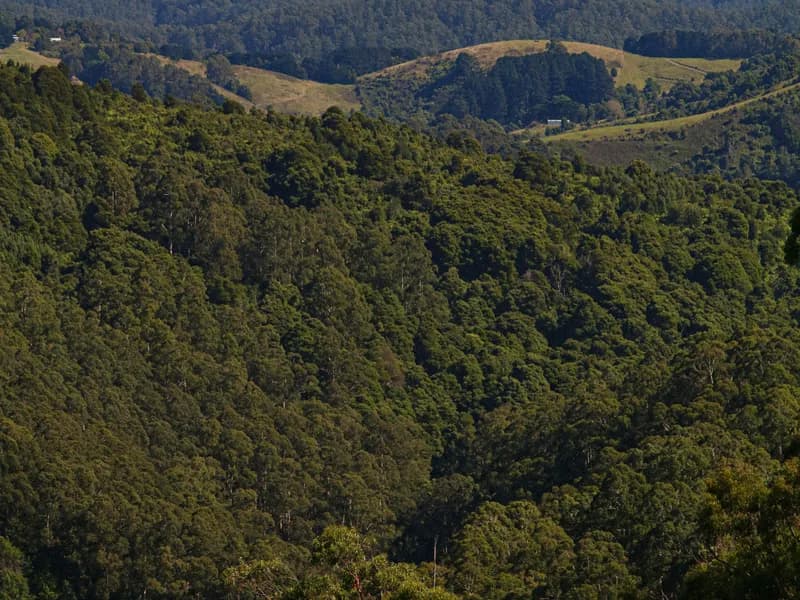
Great Otway National Park
Cool-temperate rainforest of towering mountain ash, tree ferns, and waterfalls inland from Apollo Bay. The Maits Rest boardwalk loop is a free, easy 30-min stroll; Triplet Falls and Hopetoun Falls reward a short detour. Look for glow-worms after dark near Melba Gully.
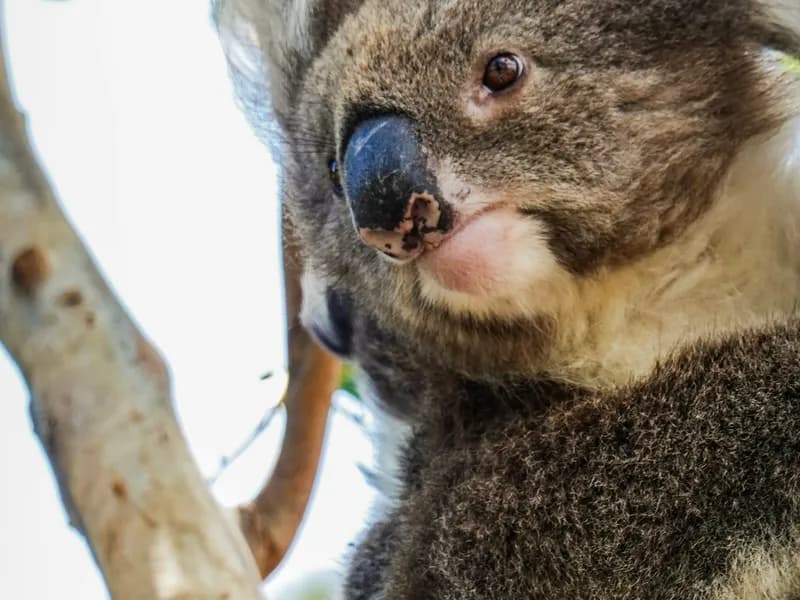
Kennett River Koala Walk
One of Australia's most reliable spots to see wild koalas dozing in roadside manna gums, plus flocks of king parrots. Free; walk or drive slowly up Grey River Road and scan the tree forks. Best early morning or late afternoon — don't feed the birds despite the temptation.
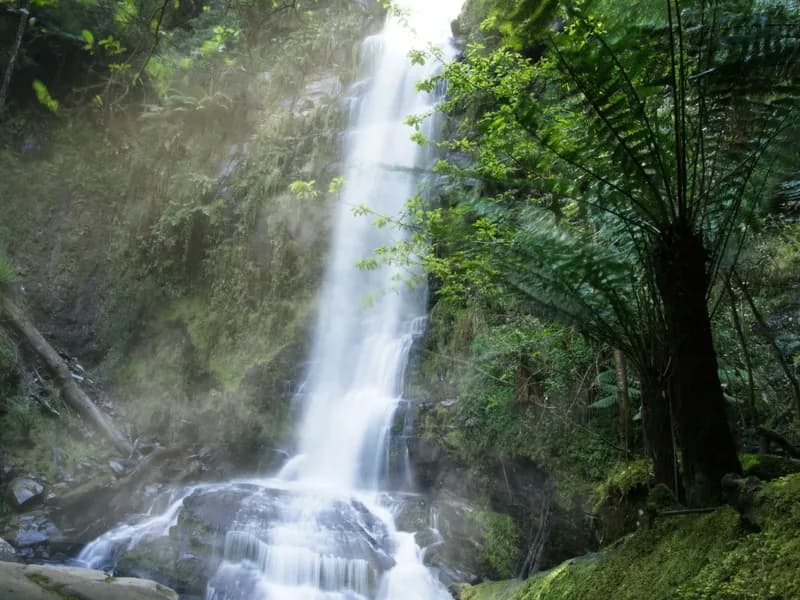
Erskine Falls, Lorne
A 30 m fern-framed waterfall in the hills above the seaside town of Lorne. Free; a lower viewing platform is a 10-min walk, or descend ~230 steps to the base. Combine with a stroll along Lorne's beach and pier, ~10 km back toward the coast.

Cape Otway Lightstation
Mainland Australia's oldest surviving lighthouse (1848), perched where Bass Strait meets the Southern Ocean. Entry ~$20 AUD adult; open daily ~9 AM–5 PM. Allow 1.5 hrs to climb the tower and tour the keeper's cottages; the 12 km access road is a prime koala-spotting stretch.
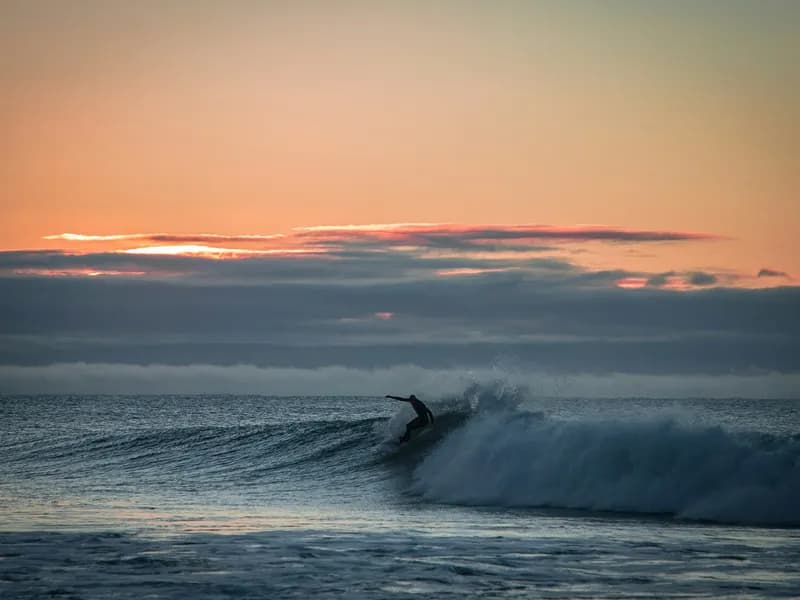
Bells Beach
A world-famous surf break near Torquay that hosts the annual Rip Curl Pro over Easter. Free cliff-top lookouts give the best view of surfers on the big swells; you don't need to surf to enjoy it. Just off the eastern start of the route — a fitting first or last stop.
Planned Itinerary
7-Day Great Ocean Road Itinerary
Melbourne Arrival & Drive to Lorne
Land at Melbourne (MEL), collect your rental car, and head southwest. Drive east-to-west so you're always on the ocean side of the road for the best pull-offs. Fill the tank in Geelong (fuel is pricier out west), pass through Torquay where the road officially begins, and settle into the seaside town of Lorne for two nights.
Collect rental car at Melbourne Airport(45 minutes)
Remember: Australians drive on the LEFT. A compact car is fine — the road is narrow and winding
Fuel and supplies stop in Geelong(45 minutes)
Fill up and grab picnic supplies at a Coles/Woolworths — cafés thin out and petrol jumps in price west of here
Bells Beach lookout, Torquay(45 minutes)
World-famous surf break at the road's eastern start; the free cliff-top lookout gives the best view of surfers on the swell — no need to surf to enjoy it
Memorial Arch at Eastern View(20 minutes)
The iconic 'Great Ocean Road' timber arch — a classic photo marking the start of the coastal stretch, built by returned WWI soldiers
Check in and dinner in Lorne(2 hours)
Base at the Grand Pacific Hotel or a Lorne guesthouse; dinner at Ba Ba Lu Bar for tapas, or the Swing Bridge Café by the river, AUD 25–35 mains
Lorne — Waterfalls, Lookouts & Beach
A relaxed day exploring the hinterland and coast around Lorne. Chase a fern-framed waterfall in the morning, take in the coastal lookout, then keep the afternoon deliberately loose with beach and pier time — no long driving today.
Erskine Falls(1.5 hours)
A 30 m waterfall in the hills above town; the lower platform is a 10-min walk, or descend ~230 steps to the base. Go early to have it to yourself
Teddy's Lookout(45 minutes)
Short walk to a panorama where the St George River curls out to meet the ocean and the road snakes along the cliffs — one of the best free viewpoints on the route
Lunch on Mountjoy Parade(1 hour)
Grab fish and chips or a burger and eat on Lorne's foreshore lawns, AUD 15–25
Split Point Lighthouse, Aireys Inlet(1.5 hours)
Short drive back east to the 'Round the Twist' white lighthouse; a 20-min cliff loop and optional tower tour (~AUD 16). Watch for the coastal blowhole nearby
Free afternoon at Lorne Beach and Pier(2.5 hours)
Swim between the flags (patrolled in summer), stroll the pier, and watch for stingrays in the shallows. A rest afternoon before the drive continues
Koalas at Kennett River & the Otways
Continue west along the most scenic coastal stretch, stopping to spot wild koalas and king parrots, then dip inland into cool-temperate rainforest before settling in Apollo Bay for two nights.
Cumberland River and Wye River coast drive(45 minutes)
The road hugs the cliffs here — use designated pull-off bays for photos, never stop on blind corners
Kennett River Koala Walk(1.5 hours)
Drive slowly up Grey River Road and scan the tree forks for wild koalas dozing in the manna gums; king parrots land on the roadside. Best mid-morning — and don't feed the birds
Apollo Bay lunch and check-in(1.5 hours)
The famous scallop pie at the Apollo Bay Bakery, or a proper sit-down at La Bimba. Check into a motel or the Apollo Bay Eco YHA
Maits Rest Rainforest Walk, Great Otway NP(1 hour)
Free, easy 30-min boardwalk loop through towering myrtle beech and giant tree ferns just west of Apollo Bay — cool, green, and otherworldly
Sunset and dinner at Marengo(2 hours)
Watch the fur seals on the offshore rocks, then dinner at Chris's Beacon Point restaurant (hilltop ocean views) or the Great Ocean Road Brewhouse, AUD 28–38
Cape Otway Lighthouse & Rainforest Waterfalls
A full day in the Otways: Australia's oldest surviving lighthouse, a chain of hidden waterfalls, and — after dark — a glow-worm gully. The 12 km lighthouse access road is one of the best koala-spotting stretches on the whole coast.
Cape Otway Lightstation(2 hours)
Mainland Australia's oldest lighthouse (1848), where Bass Strait meets the Southern Ocean. Entry ~AUD 20; climb the tower and tour the keeper's cottages. Drive the access road slowly — koalas are common in the trees
Triplet Falls(1.5 hours)
A 2 km rainforest loop to a three-tiered cascade — the most rewarding of the Otway waterfalls, with old timber-tramway relics along the path
Hopetoun Falls(1 hour)
A short steep descent to a photogenic fern-draped fall near Beech Forest; pair it with the nearby California Redwoods grove in the Aire Valley
Dinner in Apollo Bay(1.5 hours)
Casual fish and chips on the foreshore, or wood-fired pizza at Bella Fresca, AUD 20–30
Melba Gully glow-worm walk(1.5 hours)
After full dark, walk the short Madsens Track Nature Walk near Lavers Hill by torchlight (then switch it off) to see thousands of glow-worms lighting the fern gully — magical and free
The Twelve Apostles & Shipwreck Coast
The blockbuster day: the limestone stacks that define the Great Ocean Road. Arrive at the Twelve Apostles for sunrise to beat the tour buses, then work west along the dramatic Shipwreck Coast, overnighting in the small hub of Port Campbell.
Twelve Apostles at sunrise(1.5 hours)
Arrive before dawn for golden light and near-empty boardwalks in Port Campbell National Park. Free, 24/7; the viewing platforms overlook the stacks rising from the Southern Ocean
Gibson Steps(1 hour)
Descend the 86 cliff-carved steps to the beach directly beneath two Apostles for a rare ground-level view. Check tide times first — the beach disappears at high tide and the water is dangerous
Loch Ard Gorge(1.5 hours)
An enclosed beach and gorge named for an 1878 shipwreck, 3 min west of the Apostles; several short cliff-top walks (15–45 min) with far fewer crowds. Read the moving story of the two survivors
Lunch in Port Campbell(1 hour)
Forage on the Foreshore or 12 Rocks Café overlooking the little bay, AUD 18–30
The Arch, London Bridge & The Grotto(2 hours)
Continue west to this trio of sea-sculpted formations — London Bridge famously lost its span in 1990, stranding two tourists. The Grotto's rock-pool window is the quiet gem. Overnight in Port Campbell
Bay of Islands & the Journey Back East
See the last of the limestone coast, then begin the return toward Melbourne. Take the inland route via Colac for speed, or retrace the coast for one more look. Break the drive with a distillery stop and overnight near Geelong or Torquay.
Bay of Islands & Bay of Martyrs(1 hour)
The westernmost and least-crowded of the coastal lookouts, near Peterborough — a scatter of stacks across a wide bay, often with the platforms to yourself
Timboon Railway Shed Distillery(1.5 hours)
A short inland detour for single-malt whisky tastings, local cheese, and famous ice cream on the old rail line, AUD 15–25
Lunch and drive back east(2.5 hours)
Rejoin the coast at Apollo Bay for a bakery lunch, or cut inland via Colac to save time on the return
Anglesea kangaroos(1 hour)
Stop at the Anglesea Golf Club, famous for the mob of Eastern grey kangaroos grazing the fairways — a reliable, easygoing wildlife finale
Overnight near Torquay/Geelong(2 hours)
Settle in and enjoy a relaxed dinner — Growlers or the Torquay Hotel for a coastal-town last night, AUD 25–35
Melbourne Return & Departure
An easy final morning before returning to Melbourne. Time the drive so you can drop the car and reach the airport with a comfortable buffer — it's about 1.5 hrs from Torquay to MEL.
Slow coastal breakfast(1 hour)
A last flat white and the ocean air at a Torquay café like Bomboras before heading off
Australian National Surfing Museum, Torquay(1 hour)
Optional final stop at the world's largest surfing museum, in the surf-brand hub of Torquay, ~AUD 12
Drive to Melbourne Airport and return car(2 hours)
Allow 1.5 hrs driving plus fuel top-up and car return; aim to be at MEL at least 3 hrs before an international flight
14-Day Great Ocean Road Itinerary
Melbourne Arrival
Land at Melbourne (MEL) and ease into Australia's cultural capital before the coast. Don't pick up the car yet — the city is best explored on foot and tram. Settle into a central hotel and shake off the jet lag with a laneway dinner.
Airport transfer to the city(45 minutes)
SkyBus to Southern Cross (~AUD 22) or a rideshare; base yourself in the CBD or Southbank for walkability
Check in and settle(1 hour)
Free trams run within the CBD's 'Free Tram Zone' — no ticket needed
Evening laneway stroll(2 hours)
Wander Hosier Lane's street art and Degraves Street's café alley; grab a rooftop drink at Naked for Satan in Fitzroy
Dinner in Chinatown or Hardware Lane(1.5 hours)
Dumplings at HuTong or Italian on buzzing Hardware Lane, AUD 25–40
Melbourne City Day
A full, car-free day in Melbourne — markets, gardens, and coffee culture. A gentle start to the trip with no driving, letting you adjust to the time zone before the road.
Queen Victoria Market(2 hours)
Historic open-air market for a coffee, fresh produce, and the famous American-style hot jam doughnuts from the trailer
Federation Square & NGV(2 hours)
Explore Fed Square and the free National Gallery of Victoria's international collection across the river
Lunch and coffee crawl(1.5 hours)
Melbourne takes its coffee seriously — try Patricia Coffee Brewers or Market Lane, then lunch in the Degraves laneways
Royal Botanic Gardens(1.5 hours)
Wander the lakeside gardens and the Shrine of Remembrance; a relaxed green afternoon in the city
Sunset at St Kilda(2 hours)
Tram to St Kilda for the pier — little penguins nest in the breakwater rocks at dusk — then dinner along Acland Street
Pick Up the Car & Drive to Lorne
Collect your rental and head southwest onto the coast. Drive east-to-west to stay ocean-side, fuel up in Geelong, and make your first coastal stops before settling into Lorne for two nights.
Collect rental car and fuel in Geelong(1.5 hours)
Drive on the LEFT. Fill the tank and grab picnic supplies in Geelong before petrol prices climb west
Bells Beach lookout, Torquay(45 minutes)
The legendary surf break at the road's start — free cliff-top views of the swell
Memorial Arch at Eastern View(20 minutes)
The iconic timber 'Great Ocean Road' arch photo stop
Split Point Lighthouse, Aireys Inlet(1.5 hours)
The white 'Round the Twist' lighthouse and a short cliff loop
Check in and dinner in Lorne(2 hours)
Base at the Grand Pacific Hotel; dinner at Ba Ba Lu Bar or the Swing Bridge Café, AUD 25–35
Lorne — Waterfalls, Lookouts & Beach Rest
A relaxed day around Lorne. Waterfall and lookout in the morning, then a deliberate rest afternoon on the beach and pier. No long driving.
Erskine Falls(1.5 hours)
30 m fern-framed fall; lower platform 10 min, or 230 steps to the base. Arrive early
Teddy's Lookout(45 minutes)
Panorama of the St George River meeting the ocean and the road threading the cliffs
Lunch on the foreshore(1 hour)
Fish and chips on Lorne's lawns, AUD 15–25
Free afternoon at Lorne Beach & Pier(3 hours)
Swim between the flags, stroll the pier, watch for stingrays — a genuine rest afternoon
Dinner at Movida or Ipsos(1.5 hours)
Relaxed Lorne evening with a glass of Victorian wine, AUD 30–40
Koalas at Kennett River & the Otways
The scenic coastal push west with a wild-koala stop, then inland into cool rainforest before basing in Apollo Bay for two nights.
Cumberland River & Wye River drive(45 minutes)
Cliff-hugging bends — use pull-off bays for photos, never blind corners
Kennett River Koala Walk(1.5 hours)
Scan the manna gums up Grey River Road for wild koalas; king parrots abound. Don't feed the birds
Apollo Bay lunch and check-in(1.5 hours)
The famous scallop pie at Apollo Bay Bakery; check into a foreshore motel
Maits Rest Rainforest Walk(1 hour)
Easy 30-min boardwalk through myrtle beech and giant tree ferns
Sunset at Marengo and dinner(2 hours)
Fur seals on the rocks, then Chris's Beacon Point or the Brewhouse, AUD 28–38
Cape Otway Lighthouse & Rainforest Waterfalls
A full Otways day — the oldest mainland lighthouse, hidden waterfalls, and a glow-worm gully after dark. The lighthouse road is prime koala territory.
Cape Otway Lightstation(2 hours)
1848 lighthouse where Bass Strait meets the Southern Ocean; entry ~AUD 20. Drive the access road slowly for koalas
Triplet Falls(1.5 hours)
2 km rainforest loop to a three-tiered cascade with old tramway relics
Hopetoun Falls & California Redwoods(1.5 hours)
A fern-draped fall near Beech Forest and the towering planted redwood grove in the Aire Valley nearby
Dinner in Apollo Bay(1.5 hours)
Wood-fired pizza at Bella Fresca or foreshore fish and chips, AUD 20–30
Melba Gully glow-worm walk(1.5 hours)
After dark, torch-then-lights-off along Madsens Track near Lavers Hill to see thousands of glow-worms
The Twelve Apostles & Shipwreck Coast
The signature day. Sunrise at the Twelve Apostles ahead of the buses, then west along the Shipwreck Coast's sculpted formations, overnighting in Port Campbell.
Twelve Apostles at sunrise(1.5 hours)
Golden light and empty boardwalks; free and 24/7 in Port Campbell NP
Gibson Steps(1 hour)
86 steps to the beach beneath two Apostles; check tides — dangerous water, no swimming
Loch Ard Gorge(1.5 hours)
Shipwreck gorge and beach with short cliff walks, 3 min west of the Apostles
Lunch in Port Campbell(1 hour)
12 Rocks Café over the bay, AUD 18–30
The Arch, London Bridge & The Grotto(2 hours)
The trio of sea-carved formations west of town; overnight in Port Campbell
Warrnambool, Whales & Port Fairy
Leave the limestone behind for the western coast's maritime history and — in winter — whales. Finish in the storybook fishing village of Port Fairy.
Bay of Islands & Bay of Martyrs(1 hour)
The quietest coastal lookouts near Peterborough
Logans Beach Whale Nursery, Warrnambool(1 hour)
From June–September, southern right whales calve just off the viewing platform — bring binoculars. Out of season, walk Thunder Point instead
Flagstaff Hill Maritime Village(1.5 hours)
A recreated 1870s port village and shipwreck museum home to the Loch Ard peacock; entry ~AUD 20
Drive to Port Fairy and check in(45 minutes)
One of Australia's oldest and prettiest towns; stay at the historic Merrijig Inn
Griffiths Island sunset walk(1.5 hours)
Stroll to the little lighthouse; at dusk in summer, thousands of shearwaters (mutton-birds) return to their burrows. Dinner in the village, AUD 25–35
Port Fairy to the Grampians
A restful morning in Port Fairy, a wildlife stop at Tower Hill, then turn inland to the ancient sandstone ranges of the Grampians (Gariwerd), basing in Halls Gap for three nights.
Slow morning in Port Fairy(1.5 hours)
Coffee and a wander past the historic bluestone cottages and the fishing wharf — a genuine rest morning
Tower Hill Wildlife Reserve(1.5 hours)
A volcanic-crater reserve near Warrnambool where emus, kangaroos, and koalas roam free; easy walking trails and a great chance to see wildlife up close
Drive inland to Halls Gap(2 hours)
Leave the coast for the ranges; watch for kangaroos as you enter the Grampians. Check into a Halls Gap cabin or the Grampians YHA
MacKenzie Falls(1.5 hours)
The Grampians' most powerful waterfall; a steep sealed path descends to the base pool (climb back is a workout) or an easier lookout above
Kangaroos on the Halls Gap Rec Reserve(1 hour)
At dusk, mobs of Eastern grey kangaroos graze the town's sports oval — then dinner at Livefast Café or Paper Scissors Rock Brew Co, AUD 22–35
Grampians — The Pinnacle & The Balconies
A big hiking day in the heart of Gariwerd. Climb to the Grampians' signature lookout through a maze of sandstone gullies, and catch the famous cantilevered rock ledges at golden hour.
The Pinnacle hike from Wonderland car park(3.5 hours)
The Grampians' best walk (~4.2 km loop) through the Grand Canyon and Silent Street rock clefts to a dizzying lookout over Halls Gap valley. Wear proper shoes and carry water
Lunch back in Halls Gap(1 hour)
Refuel at Halls Gap's bakery or the Kookaburra Restaurant, AUD 18–30
Boroka Lookout(45 minutes)
A short walk to a sweeping panorama over the valley and Lake Bellfield — one of the easiest big views in the range
The Balconies at sunset(1.5 hours)
A flat 2 km walk from Reed Lookout to the cantilevered rock ledges above the Victoria Valley — spectacular in evening light
Dinner in Halls Gap(1.5 hours)
Relaxed pub meal at the Halls Gap Hotel, AUD 25–35
Grampians Culture & Rest
A gentler day mixing Aboriginal cultural heritage, wildlife, and downtime. The Grampians hold one of the richest concentrations of rock art in southeastern Australia — a deeper layer most road-trippers miss.
Brambuk cultural sites & Aboriginal rock art(2 hours)
Learn the Gariwerd Dreaming stories, then visit a rock-art shelter such as Gulgurn Manja or Bunjil's Shelter to see ochre hand stencils thousands of years old
Venus Baths loop walk(1.5 hours)
An easy 2.3 km stroll from Halls Gap to rock pools along Stony Creek — gentle after yesterday's climb
Lunch and rest(2 hours)
Long lunch at Spirit of Punjab or a café, then a genuine free afternoon — read, nap, or soak up the valley
Halls Gap Zoo(1.5 hours)
Optional easy afternoon at Victoria's largest regional zoo, strong on native species — meerkats, dingoes, and hand-feeding kangaroos, ~AUD 35
Sunset and dinner(1.5 hours)
Watch the kangaroos on the oval one more time, then dinner at Paper Scissors Rock, AUD 22–32
Goldfields — Ballarat & Sovereign Hill
Turn back east toward Melbourne via Ballarat, heart of Victoria's 1850s gold rush. Step into a fully recreated goldfields town and pan for real gold before an overnight in the grand old city.
Drive Grampians to Ballarat(2 hours)
A straightforward inland drive through farmland; fuel and coffee in Ararat en route
Sovereign Hill(4 hours)
An immersive re-created 1850s gold-rush township — costumed characters, an underground mine tour, a molten-gold pour, and panning for real flecks in the creek. Entry ~AUD 45; the standout inland attraction
Late lunch in the village(1 hour)
Period-style pies and lollies within Sovereign Hill, or head into Ballarat's Lydiard Street for cafés
Check in and Ballarat stroll(1.5 hours)
Admire the Victorian-era architecture along Lydiard Street and Lake Wendouree
Dinner in Ballarat(1.5 hours)
Modern Australian at The Forge Pizzeria or Mr Jones, AUD 25–38
Return to Melbourne
Drive back to Melbourne, return the car, and spend a final evening in the city on foot. A relaxed close to the loop with a last taste of Melbourne's food and culture.
Ballarat Wildlife Park(1.5 hours)
Optional morning stop for koalas, wombats, and crocodiles before leaving, ~AUD 40
Drive to Melbourne and return car(1.5 hours)
Straight run down the Western Freeway (~1.5 hrs); drop the rental in the city or at the airport depot
Lunch and free afternoon(3 hours)
Explore anything missed — the Melbourne Museum, Eureka Skydeck views, or more laneway shopping
Farewell dinner(2 hours)
A memorable last meal — Greek at The Press Club, or a Southbank riverside restaurant with skyline views, AUD 40–60
Melbourne Departure
An unhurried final morning before your flight home. Squeeze in one last coffee and any final shopping before the airport transfer.
Final coffee and shopping(2 hours)
A last flat white in the laneways and souvenirs from the Queen Victoria Market or Bourke Street Mall
Check out and pack(45 minutes)
Confirm you've declared nothing prohibited if connecting through customs on departure
Airport transfer(45 minutes)
SkyBus or rideshare to MEL; arrive at least 3 hrs before an international flight
21-Day Great Ocean Road Itinerary
Melbourne Arrival
Land at Melbourne (MEL) and settle into Australia's cultural capital before the coast. Skip the car for now — the city is a tram-and-foot town. With three weeks ahead spanning the coast, the ranges, and the islands, tonight is just about landing softly.
Airport transfer to the city(45 minutes)
SkyBus to Southern Cross (~AUD 22) or a rideshare; base in the CBD or Southbank
Check in and settle(1 hour)
Free trams circle the CBD's 'Free Tram Zone' — no ticket needed
Laneway evening stroll(2 hours)
Hosier Lane street art and Degraves Street's café alley; a rooftop drink in Fitzroy
Dinner in Chinatown(1.5 hours)
Dumplings at HuTong or Hardware Lane Italian, AUD 25–40
Melbourne City Day
A relaxed, car-free day of markets, gardens, and coffee to beat the jet lag before the driving begins.
Queen Victoria Market(2 hours)
Historic market for coffee, produce, and the famous hot jam doughnuts
Federation Square & NGV(2 hours)
Fed Square and the free National Gallery of Victoria across the river
Coffee crawl and lunch(1.5 hours)
Patricia Coffee Brewers or Market Lane, then a laneway lunch
Royal Botanic Gardens(1.5 hours)
Lakeside gardens and the Shrine of Remembrance
Sunset at St Kilda(2 hours)
Little penguins nest in the St Kilda breakwater at dusk; dinner on Acland Street
Pick Up the Car & Drive to Lorne
Collect your rental and head onto the coast, driving east-to-west to stay ocean-side. Fuel in Geelong and make the first coastal stops before two nights in Lorne.
Collect car and fuel in Geelong(1.5 hours)
Drive on the LEFT; fill up and grab supplies before prices climb west
Bells Beach lookout(45 minutes)
The famous surf break at the road's start
Memorial Arch at Eastern View(20 minutes)
The iconic timber arch photo stop
Split Point Lighthouse, Aireys Inlet(1.5 hours)
The white 'Round the Twist' lighthouse and cliff loop
Check in and dinner in Lorne(2 hours)
Grand Pacific Hotel; dinner at Ba Ba Lu Bar, AUD 25–35
Lorne — Waterfalls, Lookouts & Beach Rest
A relaxed Lorne day: waterfall and lookout in the morning, a rest afternoon on the beach and pier. No long driving.
Erskine Falls(1.5 hours)
30 m fern-framed fall; lower platform 10 min or 230 steps to the base
Teddy's Lookout(45 minutes)
The St George River meeting the ocean with the road on the cliffs
Lunch on the foreshore(1 hour)
Fish and chips on the lawns, AUD 15–25
Free afternoon at Lorne Beach & Pier(3 hours)
Swim between the flags, stroll the pier — a rest afternoon
Dinner at Movida(1.5 hours)
Tapas and Victorian wine, AUD 30–40
Great Ocean Walk Taster — Cape Otway Coast
Slow-travel day: drive to the Otways and walk a spectacular section of the multi-day Great Ocean Walk on foot, seeing coastline no car can reach. Base in Apollo Bay for three nights.
Drive Lorne to Apollo Bay via Kennett River(1.5 hours)
Stop at Kennett River's Grey River Road to spot wild koalas and king parrots en route
Check in at Apollo Bay(45 minutes)
Base at a foreshore motel or the Eco YHA for the next three nights
Great Ocean Walk — Blanket Bay to Cape Otway section(3 hours)
Walk a ~7 km one-way coastal stretch of the 100 km Great Ocean Walk through heath and clifftop to the lighthouse — remote, wild, and crowd-free. Arrange a car shuttle or walk out-and-back a shorter distance
Apollo Bay Bakery treat(30 minutes)
The legendary scallop pie as a reward, ~AUD 8
Dinner at the Great Ocean Road Brewhouse(1.5 hours)
Craft beer and hearty plates on the foreshore, AUD 25–35
Cape Otway Lighthouse & Rainforest
A full Otways day — the oldest mainland lighthouse, hidden waterfalls, and a glow-worm gully after dark. The lighthouse access road is prime koala country.
Cape Otway Lightstation(2 hours)
1848 lighthouse where Bass Strait meets the ocean; entry ~AUD 20. Drive the road slowly for koalas
Maits Rest Rainforest Walk(1 hour)
Easy 30-min boardwalk through myrtle beech and tree ferns
Triplet & Hopetoun Falls(2.5 hours)
Two rainforest waterfalls near Beech Forest, plus the towering California Redwoods grove in the Aire Valley
Dinner in Apollo Bay(1.5 hours)
Wood-fired pizza at Bella Fresca, AUD 20–30
Melba Gully glow-worm walk(1.5 hours)
After dark, lights-off along Madsens Track near Lavers Hill to see thousands of glow-worms
The Twelve Apostles & Shipwreck Coast
The signature day. Sunrise at the Twelve Apostles ahead of the buses, then west along the Shipwreck Coast, overnighting in Port Campbell.
Twelve Apostles at sunrise(1.5 hours)
Golden light, empty boardwalks; free and 24/7
Gibson Steps(1 hour)
86 steps to the beach beneath two Apostles; check tides, no swimming
Loch Ard Gorge(1.5 hours)
Shipwreck gorge and beach with short cliff walks
Lunch in Port Campbell(1 hour)
12 Rocks Café over the bay, AUD 18–30
The Arch, London Bridge & The Grotto(2 hours)
Sea-carved formations west of town; overnight Port Campbell
Warrnambool, Whales & Port Fairy
The western coast's maritime history and — in winter — whales, ending in the historic fishing village of Port Fairy.
Bay of Islands & Bay of Martyrs(1 hour)
The quietest coastal lookouts near Peterborough
Logans Beach Whale Nursery(1 hour)
June–Sept southern right whales calve offshore; otherwise walk Thunder Point
Flagstaff Hill Maritime Village(1.5 hours)
Recreated 1870s port and shipwreck museum, ~AUD 20
Drive to Port Fairy and check in(45 minutes)
Stay at the historic Merrijig Inn
Griffiths Island sunset walk(1.5 hours)
Lighthouse walk with dusk shearwater return; village dinner, AUD 25–35
Port Fairy to the Grampians
A restful morning in Port Fairy, a wildlife stop at Tower Hill, then inland to the sandstone ranges of the Grampians (Gariwerd), basing in Halls Gap for three nights.
Slow morning in Port Fairy(1.5 hours)
Coffee among the bluestone cottages and wharf — a rest morning
Tower Hill Wildlife Reserve(1.5 hours)
Volcanic-crater reserve with free-roaming emus, kangaroos, and koalas
Drive to Halls Gap(2 hours)
Into the Grampians; check into a cabin. Watch for kangaroos
MacKenzie Falls(1.5 hours)
The range's most powerful waterfall; steep path to the base or an easier lookout
Kangaroos on the Rec Reserve(1 hour)
Dusk mobs graze the town oval; dinner at Livefast Café, AUD 22–35
Grampians — The Pinnacle & The Balconies
A big hiking day in Gariwerd — the signature clifftop lookout through sandstone gullies, and the famous rock balconies at golden hour.
The Pinnacle hike from Wonderland(3.5 hours)
~4.2 km loop through the Grand Canyon and Silent Street to a dizzying valley lookout. Proper shoes and water
Lunch in Halls Gap(1 hour)
Bakery or the Kookaburra Restaurant, AUD 18–30
Boroka Lookout(45 minutes)
Short walk to a sweeping valley and lake panorama
The Balconies at sunset(1.5 hours)
Flat 2 km from Reed Lookout to the cantilevered ledges above Victoria Valley
Dinner at Halls Gap Hotel(1.5 hours)
Relaxed pub meal, AUD 25–35
Grampians Culture & Rest
A gentle day mixing Aboriginal rock art, an easy creek walk, and downtime — one of the Grampians' richer, quieter layers.
Aboriginal rock-art shelters(2 hours)
Gulgurn Manja or Bunjil's Shelter — ochre hand stencils thousands of years old, with the Gariwerd Dreaming stories
Venus Baths loop walk(1.5 hours)
Easy 2.3 km stroll to rock pools along Stony Creek
Lunch and rest afternoon(3 hours)
Long lunch then genuine downtime — read, nap, soak up the valley
Sunset with the kangaroos(1 hour)
The oval mob one more time
Dinner at Paper Scissors Rock(1.5 hours)
Brewpub plates, AUD 22–32
Goldfields — Ballarat & Sovereign Hill
Turn back east toward Melbourne via Ballarat, heart of the 1850s gold rush. Step into a recreated goldfields town and overnight in the grand old city.
Drive Grampians to Ballarat(2 hours)
Inland farmland drive; coffee in Ararat
Sovereign Hill(4 hours)
Immersive 1850s gold-rush township — mine tour, gold pour, and panning for real flecks; entry ~AUD 45
Late lunch and Ballarat stroll(2 hours)
Period pies on-site, then Lydiard Street's Victorian architecture and Lake Wendouree
Dinner in Ballarat(1.5 hours)
The Forge Pizzeria or Mr Jones, AUD 25–38
Ballarat to Phillip Island
Cross south of Melbourne to Phillip Island for two nights — the wildlife capital of the trip, famous for its nightly penguin parade. A driving day rewarded by one of Australia's great natural spectacles.
Drive Ballarat to Phillip Island(2.5 hours)
Skirt south of Melbourne via the ring road; stop in San Remo to watch the daily wild-pelican feeding at noon
Check in at Cowes(45 minutes)
Cowes is the island's main town — motels and holiday flats near the beach
Koala Conservation Reserve(1.5 hours)
Elevated boardwalks put you at eye level with wild koalas in the treetops, ~AUD 15
Early dinner in Cowes(1 hour)
Fish and chips or a pub meal before the evening show, AUD 20–30
Penguin Parade at Summerland Beach(2 hours)
At dusk, hundreds of little penguins waddle ashore to their burrows — the island's iconic sight. Book timed tickets ahead (~AUD 30); dress warm, no photos allowed
Phillip Island Wildlife & Coast
A full day exploring the island's rugged coast, seal colony, and heritage farm — a relaxed nature day after the long drive.
The Nobbies & Seal Rocks(1.5 hours)
Boardwalks over blowholes to views of Australia's largest fur-seal colony offshore; the Antarctic Journey centre has live cameras
Cape Woolamai coastal walk(2 hours)
A cliff-top circuit past pink-granite stacks and the island's best surf beach — watch for shearwaters and wallabies
Lunch in Cowes(1 hour)
Café lunch on Thompson Avenue, AUD 18–28
Churchill Island Heritage Farm(1.5 hours)
A working historic farm with sheep-shearing and whip-cracking demos on a pretty islet, ~AUD 15
Sunset and dinner at Cowes(2 hours)
North-facing Cowes beach catches the sunset; dinner at the Isola di Capri, AUD 25–35
Phillip Island to Wilsons Promontory
Drive east to Wilsons Promontory, mainland Australia's southernmost point and one of Victoria's greatest national parks, for three nights of wild coastline, granite peaks, and abundant wildlife.
Drive to Wilsons Promontory(2.5 hours)
Via Inverloch and Foster; stock up on groceries in Foster — there are no shops past the park entrance
Check in at Tidal River(1 hour)
The park's only accommodation — cabins, huts, or campsites at Tidal River. Book well ahead; wombats wander the grounds at dusk
Squeaky Beach(1.5 hours)
Walk the pure quartz sand that literally squeaks underfoot, framed by rounded orange granite boulders — the Prom's most beautiful beach
Norman Beach sunset(1 hour)
Stroll the long sweep of Tidal River's main beach as the light fades
Dinner at Tidal River(1 hour)
Self-cater at your cabin or the general store's basics — bring what you need
Wilsons Prom — Mount Oberon & Wildlife
A classic Prom day: summit the granite peak for a panorama over the whole peninsula, then spend the evening among the park's famously tame wildlife.
Mount Oberon summit walk(2.5 hours)
A 6.8 km return climb (steady, well-graded) to a granite-boulder summit with 360° views over Tidal River, the islands, and Bass Strait. Take the shuttle to the car park in peak season
Lunch back at Tidal River(1 hour)
Picnic by the river; kookaburras and rosellas for company (don't feed them)
Whisky Bay & Picnic Bay(1.5 hours)
Two small, sculpted granite coves on the western coast — great for a swim or rock-scramble
Wildlife walk at dusk(1.5 hours)
The Prom Wildlife Walk near Darby River is prime for emus, kangaroos, wombats, and grazing mobs at golden hour
Stargazing at Tidal River(1 hour)
With almost no light pollution, the Prom's night sky is superb — lie back on the beach and watch the Milky Way
Wilsons Prom — Sealers Cove Hike & Rest
A rewarding rainforest-to-beach hike in the morning, then a deliberate rest afternoon. One of the trip's slow days, deep in the wilderness.
Sealers Cove Track(4 hours)
A ~19 km return walk over Windy Saddle through eucalypt forest, rainforest gullies, and a boardwalk to a pristine crescent bay — the Prom's classic day hike. Start early and carry plenty of water
Late lunch and swim(1.5 hours)
Cool off in Tidal River or Norman Beach on return
Rest afternoon(2.5 hours)
Genuine downtime — read on the beach, nap, or just watch the wombats emerge
Sunset at Pillar Point lookout(1 hour)
A short walk from Tidal River to a clifftop view over Norman Bay for the final Prom sunset
Dinner at Tidal River(1 hour)
Last self-catered cabin meal in the wilderness
Wilsons Prom to the Mornington Peninsula
Leave the wilderness and drive to the Mornington Peninsula, Melbourne's coastal-and-vineyard playground, for two nights of hot springs, cellar doors, and gentler coast.
Drive to the Mornington Peninsula(3 hours)
Head northwest via the coast; a longer transfer day, so break it with coffee in Korumburra or Phillip Island's San Remo bridge
Check in near Sorrento or Rye(45 minutes)
Base near the peninsula's tip for beaches and the hot springs
Peninsula Hot Springs(3 hours)
Soak in a hillside maze of geothermal pools, from a hilltop pool with bay views to cave and reflexology pools — the perfect antidote to the Prom hikes. Book a bathing session ahead (~AUD 45 midweek)
Dinner in Sorrento(1.5 hours)
Seafood on the Sorrento foreshore or the historic Continental precinct, AUD 30–45
Mornington — Wineries, Cape Schanck & Rest
A relaxed day of cool-climate wine, a dramatic lighthouse cape, and beach time. A gentle wind-down before the return to Melbourne.
Cape Schanck Lighthouse & boardwalk(1.5 hours)
A 1859 lighthouse on the wild ocean side where a boardwalk descends to basalt rock platforms pounded by the Southern Ocean
Mornington Peninsula winery lunch(2.5 hours)
Long lunch with a view at Montalto or Ten Minutes by Tractor — the region is renowned for pinot noir and chardonnay, AUD 45–70 with a tasting
Free afternoon at the bay beaches(2.5 hours)
Swim at the calm Sorrento or Rye back beaches, or walk to see the colourful Brighton-style bathing boxes — a rest afternoon
Sunset at Sorrento Ocean Beach(1 hour)
The rugged back beach catches a fine sunset over Bass Strait
Casual dinner(1.5 hours)
Wood-fired pizza or fish and chips in Blairgowrie, AUD 22–32
Return to Melbourne
Drive back to Melbourne, return the car, and spend a final day and evening in the city on foot — a relaxed close to a big three-week loop.
Drive to Melbourne and return car(1.5 hours)
About 1.5 hrs up the Nepean Highway/freeway; drop the rental in the city or at the airport depot
Lunch and free afternoon(3 hours)
Anything missed — the Melbourne Museum, Eureka Skydeck, or Fitzroy and Brunswick's shops and cafés
Rooftop drinks(1.5 hours)
Sundowner with skyline views at a CBD rooftop bar like Siglo or Loop
Farewell dinner(2 hours)
A memorable final meal — Greek at The Press Club or a Southbank riverside restaurant, AUD 40–60
Melbourne Departure
An unhurried final morning before your flight home. One last coffee and any final shopping before the airport transfer.
Final coffee and shopping(2 hours)
A last flat white in the laneways and souvenirs from the Queen Victoria Market or Bourke Street Mall
Check out and pack(45 minutes)
Confirm nothing prohibited is packed if connecting through customs
Airport transfer(45 minutes)
SkyBus or rideshare to MEL; arrive at least 3 hrs before an international flight
Travel Tips
Visa & Entry
Everyone Needs an ETA or eVisitor
Australia has no visa-on-arrival. Visitors from the US, Canada, and many Asian countries apply for an ETA (subclass 601, ~AUD 20 fee) via the official Australian ETA app; EU and UK passport holders use the free eVisitor (subclass 651) online. Both grant stays up to 3 months and must be approved before you fly.
transport
Drive East-to-West and Hug the Coast
Australians drive on the LEFT. Start at Torquay and head west so you're always on the ocean side of the road for pull-offs and views. It's a slow, winding two-lane road — the 240 km takes far longer than the map suggests, so plan 2–3 days with overnights in Lorne or Apollo Bay rather than a single exhausting dash.
Safety
Beware Fatigue and Wildlife at Dusk
The road's tight bends cause frequent single-vehicle crashes among tired or distracted drivers — pull into designated bays to take photos, never stop on blind corners. Kangaroos and koalas cross roads at dawn and dusk, so avoid night driving on the inland Otway stretches where collisions are common.
The Southern Ocean Beaches Are Dangerous
Many beaches here have powerful rips and no patrols. Swim only between the red-and-yellow flags at patrolled beaches like Lorne and Apollo Bay in summer. At sites like Gibson Steps the water is for looking, not swimming — people are regularly swept off rocks by unexpected 'king' waves.
Budget
The Drive Is Cheap — Fuel and Food Aren't
Every major lookout (Twelve Apostles, Loch Ard Gorge, Gibson Steps) is free, so the road itself costs little. But petrol is pricier in small coastal towns — fill up in Geelong or Torquay before setting off. Pack a picnic; café meals in Lorne and Apollo Bay run AUD 20–35 and options thin out west of Apollo Bay.
Local Customs
Australia's Biosecurity Is Strict
Declare all food, fresh produce, seeds, wooden items, and outdoor gear on your incoming passenger card — undeclared items draw on-the-spot fines. Within Victoria, take rubbish with you and stay on marked boardwalks near the cliffs; the limestone edges are unstable and fenced off for good reason.
Ready to explore Great Ocean Road?
Get AI-powered recommendations for your trip
Plan a Trip to Great Ocean RoadRelated Articles
TipsGreat Ocean Road Tips: What to Know Before You Drive
Which direction to drive, why one day isn't enough, where the water is dangerous, and the fuel mistake that catches everyone. The practical tips that make the drive smooth.
Travel Guides12 Unmissable Stops on the Great Ocean Road
From wild koalas at Kennett River to sunrise at the Twelve Apostles, these are the stops worth building your Great Ocean Road trip around.
StoriesThe Great Ocean Road, Day by Day: A 3-Day Drive Itinerary
Torquay to the Twelve Apostles the right way — koalas, waterfalls, and a sunrise at the limestone stacks. Here's exactly how to spend three days on the Great Ocean Road.