
Nara
Key Facts
Best Time to Visit
March-May (cherry blossoms) and October-November (autumn foliage). Summer is hot and humid (35°C+)
Language
Japanese, limited English in tourist areas
Currency
Japanese Yen (JPY)
Time Zone
JST (UTC+9)
Airport
Kansai International Airport (KIX), 90 minutes by train; or Osaka Itami Airport (ITM), 60 minutes
Population
354,000 (city proper)
Climate
Humid subtropical, avg 3-5°C in winter, 27-33°C in summer, rainy season June-July
Safety Rating
Very Safe (Japan consistently ranks among world's safest countries)
Top Highlights
Nara Park & the Sacred Deer
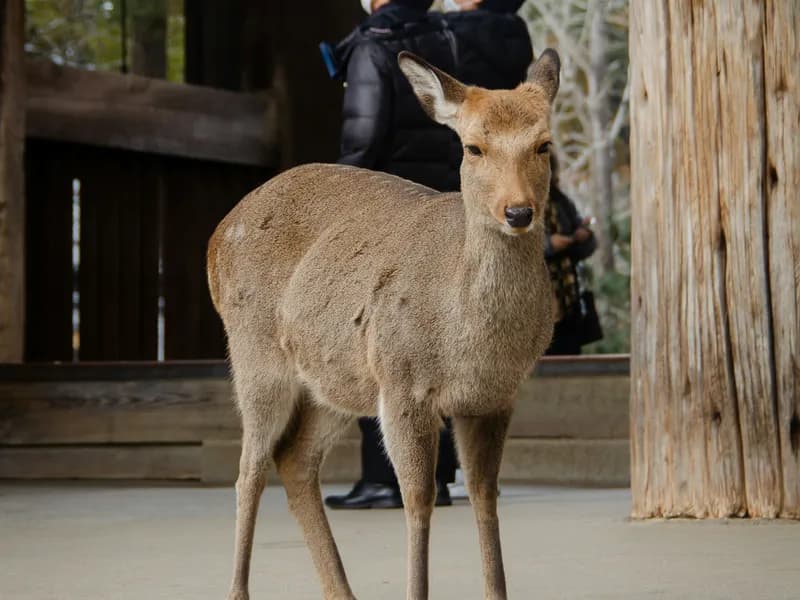
Over 1,000 wild sika deer roam freely in this vast park, considered divine messengers in Shinto tradition. Buy shika senbei (deer crackers) for 200 JPY from park vendors. The deer bow when you hold up a cracker — bow back! Free entry to the park. Be careful with bags and maps — deer will eat paper. Best visited early morning when deer are calm. The park connects all major temples.

Todai-ji Temple & Great Buddha
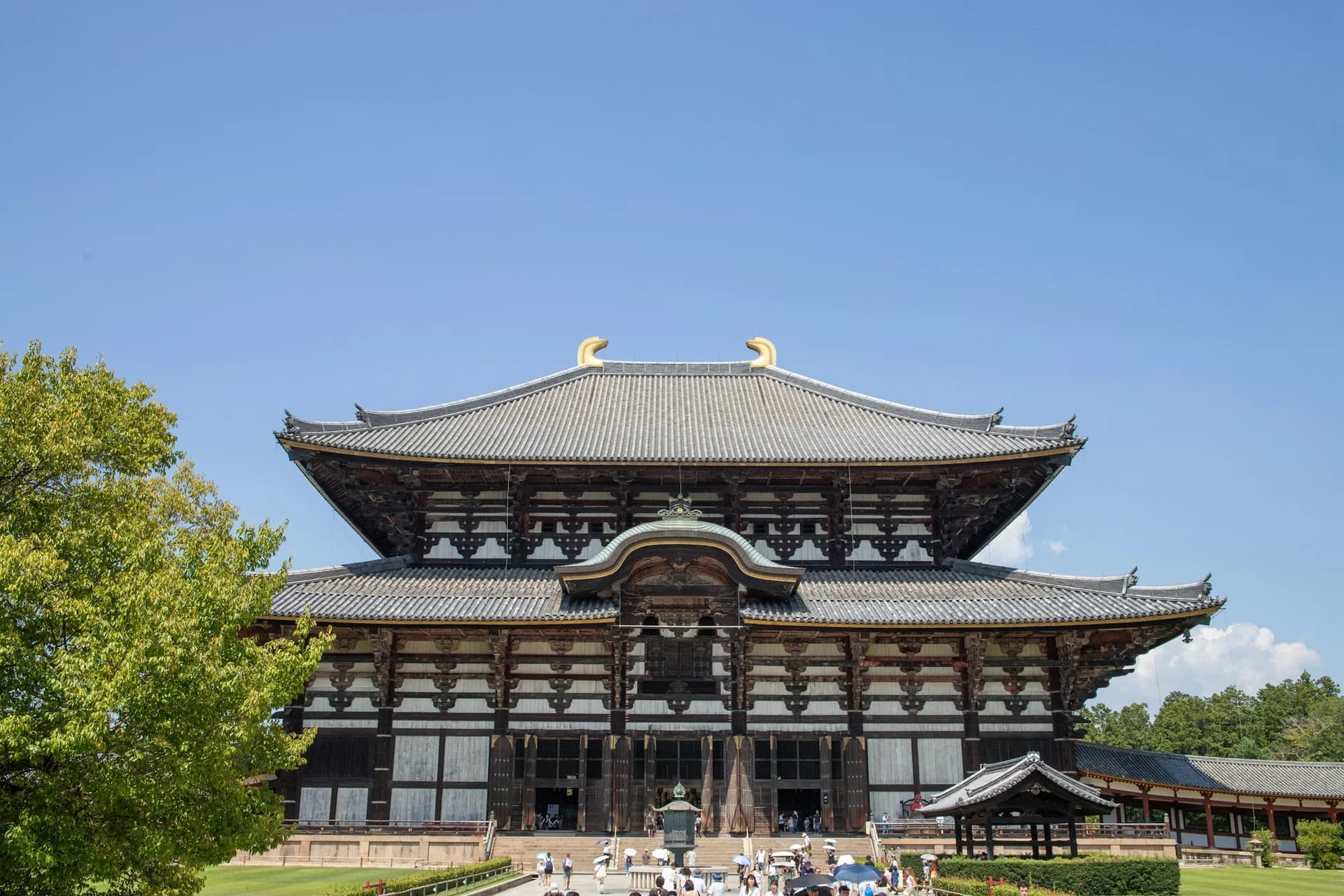
Home to the Daibutsu — a 15-meter, 500-ton bronze Buddha cast in 752 AD, housed in the world's largest wooden building (even after being rebuilt at 2/3 original size). Entry: 600 JPY. Open 7:30AM-5:30PM (extended hours April-October). Try squeezing through the pillar hole (30x37cm) — legend says it guarantees enlightenment. Allow 1.5-2 hours. A 10-minute walk from Kintetsu Nara Station.
Kasuga-taisha Shrine
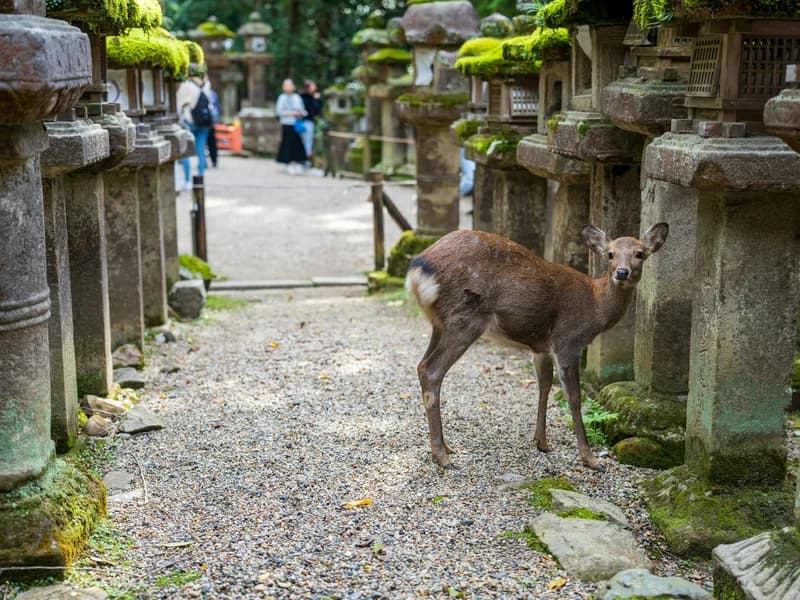
Nara's most celebrated Shinto shrine (768 AD) with 3,000 stone and bronze lanterns lining the approach through an ancient forest. Entry to inner shrine: 500 JPY. The lanterns are lit during Mantoro festivals in February and August — a magical sight. The primeval forest behind the shrine is a UNESCO World Heritage site. Allow 1.5 hours. The moss-covered stone lanterns along the path are incredibly photogenic.
Isuien Garden
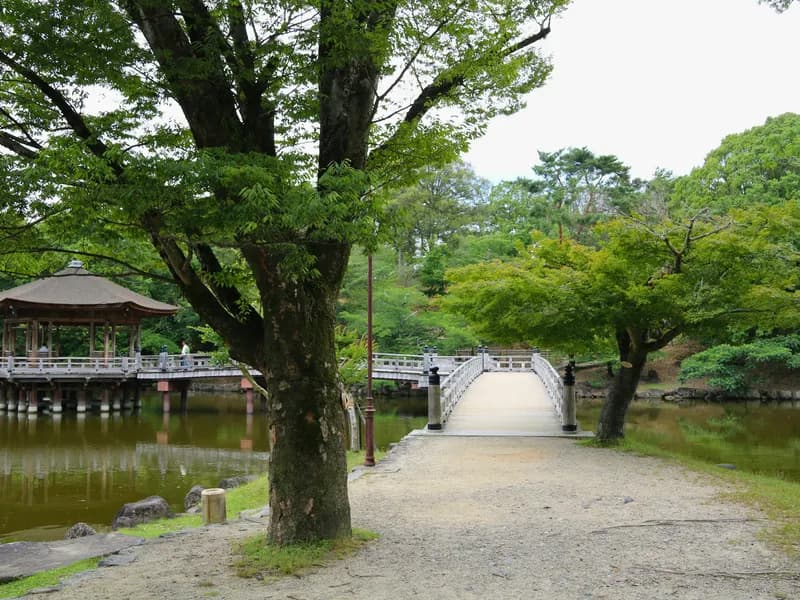
An exquisite Meiji-era Japanese garden with Todai-ji's roof and Mount Wakakusa as borrowed scenery. Entry: 1,200 JPY (includes Neiraku Art Museum on site). Open 9:30AM-4:30PM, closed Tuesday. Two connected gardens: the front garden features a pond and tea house, the rear garden uses the temple backdrop. One of the finest examples of shakkei (borrowed landscape) design. Allow 45-60 minutes.
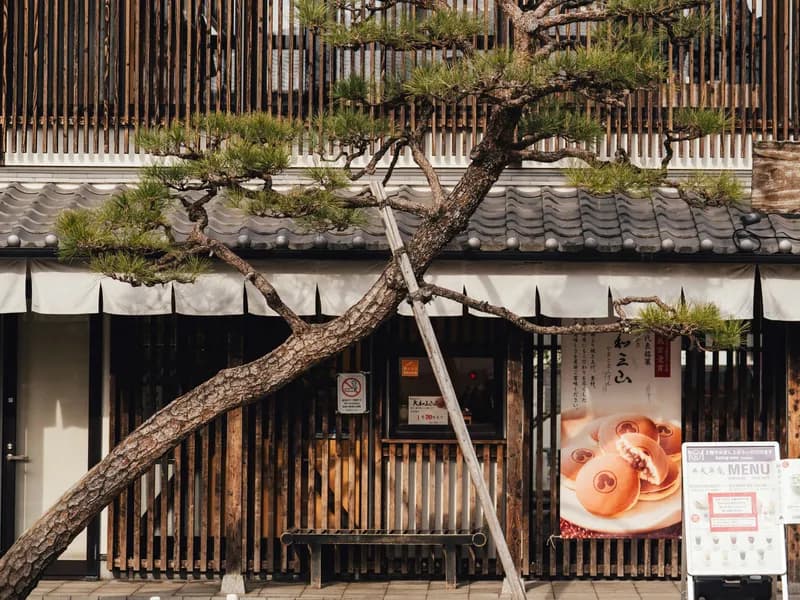
Naramachi Old Town
A preserved merchant quarter with Edo-period machiya (wooden townhouses) converted into cafes, craft shops, and small museums. Free to explore. Visit the Naramachi Koshi-no-Ie (free, closed Monday) to see inside a traditional machiya. Try Nara's famous kakinoha-zushi (persimmon leaf sushi) at Tanaka or Hiraso. The small red monkey charms on doorways ward off evil — a great souvenir (500-1,000 JPY).
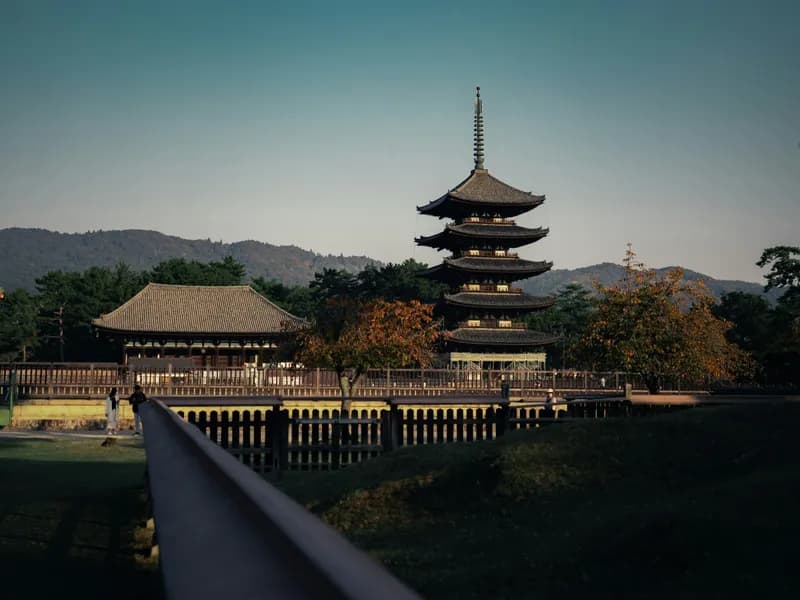
Kofuku-ji Temple & Five-Story Pagoda
One of Japan's most powerful former Buddhist temples with a striking five-story pagoda (50m, second tallest in Japan) visible across the city. The National Treasure Museum (700 JPY) houses extraordinary Buddhist sculptures including the famous three-faced Ashura statue. Open 9AM-5PM. The pagoda is free to view from outside and beautifully lit at night. 5-minute walk from Kintetsu Nara Station.
Planned Itinerary
7-Day Nara Itinerary
Arrival in Kansai & Nara Check-In
Fly into Kansai International Airport (KIX) and transfer to Nara. Settle into the city and take a first stroll through the deer-filled park at dusk.
Haruka Express to Tennoji + transfer to Nara(2 hours)
Haruka from KIX to Tennoji (35 min, 1,740 JPY), then JR Yamatoji Line to Nara (30 min, 480 JPY). Or go via Osaka Namba and take Kintetsu (35 min, 680 JPY). Kintetsu Nara Station is closer to the park
Check into hotel near Kintetsu Nara Station(1 hour)
Hotels in the Sanjo-dori area (5,000-12,000 JPY/night) put you within walking distance of everything
Evening walk through Nara Park(1.5 hours)
The deer are calmer at dusk. Buy shika senbei (deer crackers, 200 JPY) from a park vendor and bow — the deer bow back. Keep bags zipped; deer eat paper
Dinner on Higashimuki Shopping Street(1 hour)
Covered arcade near Kintetsu station. Try kakinoha-zushi (persimmon leaf sushi) at Hiraso — 8-piece set 1,300 JPY. A Nara specialty found nowhere else in Japan
Todai-ji, Kasuga-taisha & Naramachi
The big three — the world's largest wooden building, a shrine with 3,000 lanterns, and the charming old merchant quarter.
Todai-ji Temple & Great Buddha(2 hours)
The 15-meter bronze Daibutsu (752 AD) inside the world's largest wooden building. 600 JPY. Try squeezing through the pillar hole (30x37cm) — enlightenment awaits. Open 7:30AM. Arrive early to beat school groups
Nigatsu-do Hall(30 minutes)
Just behind Todai-ji — a hillside hall with a free observation balcony offering the best panoramic views of Nara. The wooden terrace was the site of the dramatic Omizutori fire festival for 1,250+ years
Walk through the primeval forest to Kasuga-taisha(1 hour)
The path through the 250-acre UNESCO forest is lined with 2,000 stone lanterns draped in moss. The forest feels like another century
Kasuga-taisha Shrine(1.5 hours)
Nara's most celebrated Shinto shrine (768 AD). 3,000 stone and bronze lanterns. Inner shrine 500 JPY. The vermillion corridors with hanging bronze lanterns are extraordinary
Afternoon in Naramachi(2 hours)
Preserved Edo-period merchant quarter. Visit Naramachi Koshi-no-Ie (free, closed Monday) to see inside a machiya. Browse craft shops. Look for the red monkey charms on doorways (ward off evil) — great souvenir, 500-1,000 JPY
Mochi at Nakatanidou(20 minutes)
Near Kintetsu station. The mochi-pounding performance (high-speed rice cake pounding) is free to watch. Yomogi mochi (mugwort) 150 JPY. They close when supplies run out — go before 3PM
Isuien Garden, Kofuku-ji & Art
Nara's most beautiful garden, a temple with Japan's second-tallest pagoda, and world-class Buddhist art.
Isuien Garden(1.5 hours)
Exquisite Meiji-era garden using Todai-ji's roof and Mount Wakakusa as borrowed scenery (shakkei). 1,200 JPY including Neiraku Art Museum. Open 9:30AM, closed Tuesday. The rear garden is the masterpiece
Nara National Museum(2 hours)
World-class collection of Buddhist art and sculptures. 700 JPY. The underground passage connecting the old and new buildings has its own display. Allow time for the Shosoin treasures exhibition (October-November)
Lunch at Tsukihitei(1.5 hours)
Traditional kaiseki lunch in a converted machiya near the museum. Lunch sets from 3,500 JPY. The seasonal presentation is art itself
Kofuku-ji Temple & National Treasure Museum(1.5 hours)
The five-story pagoda (50m) is beautifully lit at night. National Treasure Museum (700 JPY) has the extraordinary three-faced Ashura statue — one of the most admired Buddhist sculptures in Japan. 5-minute walk from Kintetsu
Day Trip to Yoshino (Cherry Blossom Mountain)
An hour south of Nara, Mount Yoshino has 30,000 cherry trees across the mountainside — magnificent in spring, peaceful year-round. In other seasons, substitute with Horyuji Temple.
Kintetsu train to Yoshino(1.5 hours)
Change at Kashiharajingu-mae. 1,080 JPY. Cable car from the base (450 JPY round trip)
Walk through Yoshino's temple trails(4 hours)
Four zones of cherry trees (shimo, naka, kami, oku). Kinpusenji Temple (800 JPY) has a massive main hall with three blue-faced guardian statues. Even without cherry blossoms, the mountain village atmosphere and hiking trails are rewarding
Lunch at a kuzu (arrowroot) restaurant(1 hour)
Yoshino is famous for kuzu — transparent jelly noodles, mochi, and pudding. Tsurubei or Hanayama Onsen serve kuzu kaiseki sets (1,500-2,500 JPY)
Horyuji Temple & Ikaruga
Day trip to the world's oldest wooden buildings — a UNESCO site predating even Todai-ji by a century.
JR Yamatoji Line to Horyuji Station(15 minutes)
210 JPY from JR Nara. Then a 20-minute walk or bus to the temple
Horyuji Temple(3 hours)
The world's oldest surviving wooden structures (607 AD). 1,500 JPY. The five-story pagoda and main hall are astonishing — 1,400+ years of uninterrupted existence. The Treasure Hall has Japan's oldest Buddhist sculptures. Allow time; this is one of Japan's most important cultural sites
Chuguji Nunnery(30 minutes)
Adjacent to Horyuji. 600 JPY. Houses the Miroku Bosatsu half-lotus statue — one of the most serene sculptures in the world
Return to Nara and free afternoon(2.5 hours)
Rest or revisit Nara Park for different light on the deer and temples
Dinner at Edogawa (eel restaurant)(1 hour)
Nara's excellent unagi (eel) restaurant near Kintetsu. Hitsumabushi (eel rice bowl) from 2,800 JPY. Three ways to eat it: plain, with condiments, and as tea soup
Yakushi-ji, Toshodai-ji & Nishi-no-Kyo
Two magnificent World Heritage temples in the quieter western part of Nara, then a free evening.
Yakushi-ji Temple(1.5 hours)
One of the oldest temples in Japan (680 AD) with the iconic East Pagoda (currently under restoration). 1,100 JPY. The Yakushi Triad bronze statues are national treasures. Kintetsu Nishinokyo Station, 1 stop from Nara
Walk to Toshodai-ji Temple(1.5 hours)
A 10-minute walk from Yakushi-ji. Founded by the blind Chinese monk Jianzhen in 759 AD. 1,000 JPY. The golden hall and lecture hall are original Nara-period structures — some of the oldest in Japan. The garden is a quiet masterpiece
Lunch at a local soba shop in Nishinokyo(45 minutes)
Hand-cut buckwheat soba from 850 JPY. The neighborhood restaurants are local and unhurried
Free afternoon and evening(3 hours)
Rest day energy. Take a final stroll through Naramachi's craft shops, pick up wagashi (Japanese sweets) from Nakagawa Masashichi Shoten, or simply sit in Nara Park with the deer
Final Morning & Departure
One last bow to the deer, final mochi, and departure from Nara.
Early morning walk through Nara Park(1 hour)
The park at 6:30AM is magical — mist, deer emerging from the trees, monks sweeping temple grounds. No crowds, pure atmosphere
Mochi from Nakatanidou(20 minutes)
One last yomogi mochi (150 JPY). Watch the pounding performance if you're lucky with timing
Souvenir shopping(45 minutes)
Nara ink brushes (fude), deer-themed crafts, persimmon leaf sushi for the road, and wagashi from traditional shops
Train to Kansai Airport(1.5 hours)
Kintetsu to Namba, then Nankai Rapit to KIX (1,450 JPY, 40 min). Or JR Nara to Tennoji, then Haruka to KIX
14-Day Nara Itinerary
Arrival in Kansai & Nara Check-In
Fly into KIX and transfer to Nara. Evening stroll with the deer.
Transfer to Nara(2 hours)
Haruka to Tennoji, JR to Nara. Or Kintetsu from Namba (680 JPY, 35 min)
Check in near Kintetsu Nara Station(1 hour)
5,000-12,000 JPY/night
Evening Nara Park walk(1.5 hours)
Deer crackers 200 JPY. Deer bow back. Keep bags zipped
Kakinoha-zushi dinner at Hiraso(1 hour)
Persimmon leaf sushi 1,300 JPY for 8 pieces
Todai-ji, Kasuga-taisha & Naramachi
The essential Nara circuit — Great Buddha, lantern shrine, and old town.
Todai-ji & Great Buddha(2 hours)
600 JPY. Pillar hole challenge. Open 7:30AM
Nigatsu-do Hall(30 minutes)
Free balcony panorama behind Todai-ji
Forest walk to Kasuga-taisha(1 hour)
2,000 moss-covered stone lanterns through UNESCO forest
Kasuga-taisha Shrine(1.5 hours)
Inner shrine 500 JPY. Bronze lanterns in vermillion corridors
Naramachi exploration(2 hours)
Koshi-no-Ie machiya (free). Red monkey charms 500-1,000 JPY
Mochi at Nakatanidou(20 minutes)
Yomogi mochi 150 JPY. Before 3PM
Isuien Garden, Kofuku-ji & Art
Garden perfection, five-story pagoda, and world-class Buddhist sculpture.
Isuien Garden(1.5 hours)
1,200 JPY. Borrowed scenery of Todai-ji. Closed Tuesday
Nara National Museum(2 hours)
700 JPY. Buddhist art collection
Kaiseki lunch at Tsukihitei(1.5 hours)
Machiya restaurant. Sets from 3,500 JPY
Kofuku-ji & National Treasure Museum(1.5 hours)
Pagoda free to view. Museum 700 JPY. Ashura statue
Horyuji — World's Oldest Wooden Buildings
UNESCO treasures predating Todai-ji by a century.
JR to Horyuji(15 minutes)
210 JPY. 20-min walk to temple
Horyuji Temple(3 hours)
1,500 JPY. 607 AD structures. Five-story pagoda. Treasure Hall
Chuguji Nunnery(30 minutes)
600 JPY. Miroku Bosatsu statue
Unagi dinner at Edogawa(1 hour)
Hitsumabushi from 2,800 JPY
Yakushi-ji & Toshodai-ji
Two World Heritage temples in the quiet Nishi-no-Kyo district.
Yakushi-ji(1.5 hours)
680 AD. 1,100 JPY. Yakushi Triad bronzes
Toshodai-ji(1.5 hours)
759 AD. 1,000 JPY. Original Nara-period buildings
Local soba lunch(45 minutes)
Hand-cut soba from 850 JPY
Yoshino Mountain Day Trip
30,000 cherry trees on a sacred mountain — magnificent in spring, serene year-round.
Kintetsu to Yoshino(1.5 hours)
1,080 JPY. Cable car 450 JPY round trip
Yoshino temple trails(4 hours)
Kinpusenji Temple 800 JPY. Four cherry tree zones. Mountain village atmosphere
Kuzu lunch(1 hour)
Yoshino's arrowroot specialty. Sets 1,500-2,500 JPY
Rest Day
Slow day — revisit favorites or discover quiet corners.
Nara Park at leisure(2 hours)
Sit with the deer, no agenda. The far eastern edges of the park near Kasuga primeval forest are deeply peaceful and nearly empty
Wagashi shopping in Naramachi(1.5 hours)
Nara's traditional Japanese sweets shops. Try Manako at Naramachi — their deer-shaped monaka (wafer cakes, 250 JPY) are adorable
Kofuku-ji pagoda at night(30 minutes)
The five-story pagoda is beautifully illuminated after dark, reflected in Sarusawa Pond. Free, always accessible
Day Trip to Kyoto
Japan's former imperial capital is just 35 minutes away — enough time for a focused temple circuit.
Kintetsu to Kyoto(35 minutes)
Limited express 1,280 JPY. Or JR 730 JPY, 45 min
Fushimi Inari Shrine(2 hours)
Thousands of vermillion torii gates up the mountain. Free. Start the hike early — the middle section thins the crowds
Kiyomizu-dera Temple(1.5 hours)
400 JPY. The famous wooden terrace overhanging the hillside. The Otowa Waterfall below has three streams for longevity, love, and wisdom — choose one
Walk through Higashiyama district(1.5 hours)
Stone-paved lanes through the atmospheric old district. Ninenzaka and Sannenzaka slopes are lined with tea houses and craft shops
Day Trip to Osaka
Street food capital of Japan — takoyaki, okonomiyaki, and the neon madness of Dotonbori.
Kintetsu to Osaka Namba(35 minutes)
680 JPY
Osaka Castle(1.5 hours)
600 JPY. The museum inside covers the Toyotomi clan. The castle grounds are free and excellent for walking
Shinsekai district lunch(1.5 hours)
Retro neon district. Try kushikatsu (deep-fried skewers) at Daruma — skewers from 120 JPY each. The rule: never double-dip in the communal sauce
Dotonbori canal walk and street food(2 hours)
Neon signs, takoyaki at Kukuru (600 JPY for 8), okonomiyaki at Mizuno (1,200 JPY). The Glico Running Man sign is the photo spot
Asuka — Birthplace of Japanese Civilization
The ancient Asuka region south of Nara where Japanese civilization began — burial mounds, mysterious stone monuments, and rural cycling.
Kintetsu to Asuka Station(40 minutes)
400 JPY from Nara
Rent a bicycle at Asuka Station(15 minutes)
900 JPY/day. The region is flat and perfect for cycling. Maps available at the rental shop
Ishibutai Kofun (stone burial mound)(45 minutes)
Japan's largest exposed burial chamber — massive stones forming a tomb from the 7th century. 300 JPY. You can go inside. The engineering is staggering
Takamatsuzuka Tomb murals(30 minutes)
7th century painted tomb discovered in 1972 — the original murals are preserved in a climate-controlled facility. Museum 300 JPY
Asukadera Temple(30 minutes)
Japan's first full-scale Buddhist temple (596 AD). 350 JPY. The seated Buddha is the oldest in Japan. Monks have maintained it for 1,400+ years
Mount Wakakusa & Temples Less Visited
Climb the grass-covered mountain behind Nara Park and visit temples most tourists never find.
Mount Wakakusa hike(2 hours)
A gentle grass-covered hill (342m) behind Nara Park with panoramic views of the city and surrounding mountains. 150 JPY entry. The deer graze on the slopes. 30-minute climb. Best morning or late afternoon
Shin-Yakushi-ji Temple(45 minutes)
8th century temple with twelve life-size guardian statues surrounding a seated Buddha — among the finest wood sculptures in Japan. 600 JPY. 10-minute walk from Kasuga-taisha. Almost no tourists
Lunch at Kamado(1 hour)
Nara rice bowl restaurant near Naramachi. Seasonal donburi from 1,200 JPY. The rice is Nara-grown and remarkable
Byakugo-ji Temple(1 hour)
A hidden gem — a rustic mountain temple with wildflower gardens that change with every season. 600 JPY. Requires a 15-minute walk from the road. No tour buses ever come here
Tea Ceremony & Craft Day
Immerse in Nara's craft traditions — tea ceremony, calligraphy, and traditional ink-making.
Private tea ceremony experience(1.5 hours)
Several machiya in Naramachi offer small-group tea ceremonies (2,000-3,500 JPY). The host explains each movement of the ritual. Includes wagashi sweet
Nara ink (sumi) workshop(1.5 hours)
Nara has produced Japan's finest calligraphy ink for centuries. Workshops at Kobaien (since 1577) let you make your own ink stick. 2,000-3,000 JPY. Reservations needed
Lunch at Kura(1 hour)
Converted storehouse restaurant in Naramachi. Tofu kaiseki sets from 2,500 JPY. The building alone is worth visiting
Nara sake tasting(1.5 hours)
Nara is the birthplace of Japanese sake. Visit Harushika Brewery or Imanishi Sake for tastings (400-600 JPY for 5 samples). The Omiwa Shrine south of Nara is dedicated to the sake god
Free Day & Final Exploration
Return to whatever captured your heart — a temple in different light, a garden in silence, or simply the deer.
Morning: Personal favorite revisit(3 hours)
Todai-ji at opening with almost no one there. The forest path to Kasuga in morning mist. Naramachi craft shops before they close. Your call
Farewell kaiseki dinner(2 hours)
Splurge on a multi-course dinner at Wago or Tsukihitei. Evening kaiseki from 8,000-15,000 JPY. The seasonal artistry of Japanese haute cuisine
Final Morning & Departure
One last dawn walk with the deer.
Early morning Nara Park(1 hour)
6:30AM. Mist, deer, monks sweeping. Pure Nara
Final Nakatanidou mochi(20 minutes)
150 JPY. If you're lucky, catch the pounding show
Souvenirs(45 minutes)
Nara fude (ink brushes), deer crafts, persimmon leaf sushi, wagashi
Train to KIX(1.5 hours)
Kintetsu to Namba, Nankai Rapit to KIX (1,450 JPY)
21-Day Nara Itinerary
Arrival & Nara Park
Fly into KIX, transfer to Nara, and meet the deer at dusk.
Transfer to Nara(2 hours)
Haruka to Tennoji + JR, or Kintetsu from Namba (680 JPY, 35 min)
Check in near Kintetsu Nara(1 hour)
5,000-12,000 JPY/night
Evening Nara Park(1.5 hours)
Deer crackers 200 JPY. Calm evening deer
Kakinoha-zushi at Hiraso(1 hour)
Persimmon leaf sushi 1,300 JPY
Todai-ji, Kasuga-taisha & Naramachi
Great Buddha, lantern shrine, old merchant quarter.
Todai-ji(2 hours)
600 JPY. Pillar hole. 7:30AM
Nigatsu-do Hall(30 minutes)
Free panorama
Kasuga-taisha(1.5 hours)
Inner shrine 500 JPY
Naramachi(2 hours)
Koshi-no-Ie (free). Red monkey charms
Nakatanidou mochi(20 minutes)
150 JPY. Before 3PM
Isuien, Kofuku-ji & Art
Borrowed-scenery garden and Buddhist sculpture masterpieces.
Isuien Garden(1.5 hours)
1,200 JPY. Closed Tuesday
Nara National Museum(2 hours)
700 JPY
Kaiseki at Tsukihitei(1.5 hours)
From 3,500 JPY
Kofuku-ji Museum(1.5 hours)
700 JPY. Ashura statue
Horyuji Temple
World's oldest wooden buildings.
JR to Horyuji(15 minutes)
210 JPY
Horyuji(3 hours)
1,500 JPY. 607 AD
Chuguji Nunnery(30 minutes)
600 JPY. Miroku Bosatsu
Unagi at Edogawa(1 hour)
Hitsumabushi from 2,800 JPY
Yakushi-ji & Toshodai-ji
Nishi-no-Kyo World Heritage temples.
Yakushi-ji(1.5 hours)
1,100 JPY
Toshodai-ji(1.5 hours)
1,000 JPY
Yoshino Mountain
Sacred mountain with 30,000 cherry trees and mountain temple trails.
Kintetsu to Yoshino(1.5 hours)
1,080 JPY
Yoshino temple trails(4 hours)
Kinpusenji 800 JPY
Kuzu lunch(1 hour)
1,500-2,500 JPY
Rest Day
Slow morning, deer time, evening pagoda.
Nara Park at leisure(2 hours)
Eastern edges near primeval forest
Naramachi wagashi shopping(1.5 hours)
Deer monaka 250 JPY
Kofuku-ji pagoda at night(30 minutes)
Illuminated. Reflected in Sarusawa Pond
Day Trip to Kyoto
Former imperial capital — torii gates, temple terraces, old town lanes.
Kintetsu to Kyoto(35 minutes)
1,280 JPY
Fushimi Inari Shrine(2 hours)
Free. Thousand torii gates
Kiyomizu-dera(1.5 hours)
400 JPY. Wooden terrace
Higashiyama walk(1.5 hours)
Ninenzaka/Sannenzaka lanes
Day Trip to Osaka
Street food capital — takoyaki, kushikatsu, and Dotonbori neon.
Kintetsu to Namba(35 minutes)
680 JPY
Osaka Castle(1.5 hours)
600 JPY
Shinsekai kushikatsu(1.5 hours)
Daruma. From 120 JPY/skewer
Dotonbori street food(2 hours)
Takoyaki 600 JPY. Glico Running Man
Asuka — Japan's Birthplace
Ancient burial mounds, stone monuments, and rural cycling.
Kintetsu to Asuka(40 minutes)
400 JPY
Bicycle rental(15 minutes)
900 JPY/day
Ishibutai Kofun(45 minutes)
300 JPY. Massive stone burial chamber
Takamatsuzuka Tomb(30 minutes)
Museum 300 JPY
Asukadera Temple(30 minutes)
596 AD. 350 JPY. Oldest Buddha in Japan
Mount Wakakusa & Hidden Temples
Climb the deer-grazed hill and find temples tourists never reach.
Mount Wakakusa(2 hours)
150 JPY. Grass hill with panoramic views. Deer on slopes
Shin-Yakushi-ji(45 minutes)
600 JPY. Twelve guardian statues
Lunch at Kamado(1 hour)
Donburi from 1,200 JPY
Byakugo-ji(1 hour)
600 JPY. Hidden wildflower temple
Tea Ceremony & Crafts
Tea ceremony, calligraphy ink, and sake tasting.
Tea ceremony(1.5 hours)
2,000-3,500 JPY. Includes wagashi
Sumi ink workshop at Kobaien(1.5 hours)
Since 1577. Make your own ink stick. 2,000-3,000 JPY
Tofu kaiseki at Kura(1 hour)
Converted storehouse. From 2,500 JPY
Sake tasting at Harushika(1.5 hours)
Nara = birthplace of sake. 400-600 JPY for 5 samples
Side Trip to Koya-san — Day 1
Travel to the mountaintop monastery complex of Koya-san — Japan's most sacred Buddhist site. Stay overnight in a temple.
Train to Koya-san(3 hours)
Kintetsu to Hashimoto, then Nankai to Gokurakubashi, then cable car. About 3,000 JPY total. The cable car ascent through clouds is dramatic
Check into shukubo (temple lodging)(30 minutes)
Overnight in a Buddhist temple. Ekoin or Rengejoin are excellent. 12,000-20,000 JPY including vegetarian dinner and breakfast. Futon on tatami, morning prayers at 6AM. Book well ahead
Okunoin Cemetery walk(2.5 hours)
The most sacred site — a 2km path through 200,000 moss-covered tombstones of samurai, monks, and nobles to the eternal flame at Kobo Daishi's mausoleum. Free. Visit at dusk when stone lanterns are lit — hauntingly beautiful
Vegetarian temple dinner (shojin ryori)(1 hour)
Multi-course Buddhist vegetarian meal at your temple. No meat, no garlic, no onion — yet profoundly delicious. Included in lodging
Koya-san Day 2 & Return
Morning prayers with monks, then explore the temple town before returning to Nara.
Morning prayer ceremony (goma fire ritual)(1 hour)
6AM. The chanting and fire ritual in the main hall is an extraordinarily powerful experience. Attend at your temple — guests are welcome to observe
Kongobuji Temple(1 hour)
Headquarters of Shingon Buddhism. 1,000 JPY. The rock garden (Banryutei) is Japan's largest — 2,340 granite stones representing two dragons
Danjo Garan temple complex(1 hour)
The original core of Koya-san — the vermillion Konpon Daito pagoda is the centerpiece. 500 JPY for pagoda interior
Rest Day
Decompress after the mountain temples. No agenda.
Revisit Nara Park(2 hours)
After Koya-san, Nara Park feels like coming home. Sit with the deer
Onsen at hotel or local bathhouse(1.5 hours)
Soak in a hot bath. Many Nara hotels have small onsen. Public bathhouse near Naramachi available
Side Trip to Kyoto — Arashiyama
The famous bamboo grove and monkey mountain on Kyoto's western edge.
Kintetsu to Kyoto, then JR to Saga-Arashiyama(1 hour)
About 1,500 JPY total
Arashiyama Bamboo Grove(45 minutes)
Free. Walk through the towering bamboo stalks. Go at 7AM or after 4PM to avoid the worst crowds
Tenryu-ji Temple(1 hour)
500 JPY. The Zen garden is a national treasure with Arashiyama mountains as borrowed scenery
Iwatayama Monkey Park(1.5 hours)
550 JPY. 120 macaques on a mountain. You're in their territory — they roam free. Feed them from inside a cage (you go in the cage, not them)
Lunch along the Katsura River(1 hour)
Restaurants overlooking the river and Togetsukyo Bridge. Soba or yuba (tofu skin) sets 1,200-2,000 JPY
Murou-ji & Rural Nara
Deep into rural Nara Prefecture to visit a beautiful mountain temple and experience the Japanese countryside.
Kintetsu to Murou-guchi-Ono, then bus(1 hour)
550 JPY train, 440 JPY bus. The mountain road winds through cedar forests
Murou-ji Temple(2.5 hours)
A stunning mountain temple with a five-story pagoda (Japan's smallest, and most elegant) nestled among 1,000-year-old cedars. 600 JPY. Known as 'Women's Koya' because unlike Koya-san, women were always welcome. The stone steps through the forest are profoundly beautiful
Lunch at a countryside restaurant(1 hour)
Simple Japanese set meal in the village. Udon or curry rice 800-1,200 JPY
Nara Photography Walk & Slow Day
Morning light in the park, craft shopping, and a final exploration of Naramachi's hidden lanes.
Sunrise Nara Park photography(2 hours)
The deer in morning mist near Todai-ji create unforgettable images. Golden hour light through the lantern-lined paths. No crowds
Craft shopping in Naramachi(2 hours)
Nara ink brushes, deer antler crafts, handmade washi paper. Nakagawa Masashichi Shoten has curated Japanese craftsmanship
Lunch at a hidden machiya cafe(1 hour)
Naramachi has tiny cafes in converted townhouses — explore the back alleys and find one with a garden. Many close by 4PM
Sake Brewing & Cooking Class
Deeper dive into Nara's culinary culture — sake brewery tour and Japanese cooking workshop.
Imanishi Sake Brewery tour(1.5 hours)
Historic sake brewery offering tours and tastings. The brewing process — rice washing, koji cultivation, fermentation — is fascinating. English tours available with advance booking. 1,500-2,000 JPY
Japanese home cooking class(3 hours)
Several services in Nara match visitors with local hosts for cooking lessons. Learn to make dashimaki tamago (rolled omelet), miso soup, and seasonal side dishes. 4,000-6,000 JPY through Airbnb Experiences or local tourism office
Final Sarusawa Pond sunset(1 hour)
The pond reflects Kofuku-ji's pagoda and the sunset. A bench, a coffee, and the sounds of Nara settling into evening
Farewell Day
Return to your favorite spots for the last time.
Morning at Todai-ji (opening, no crowds)(1.5 hours)
The Great Buddha hall at 7:30AM when only monks are present. A different experience from day 2
Final Naramachi walk(1.5 hours)
The lanes you've come to know. Pick up last souvenirs
Farewell kaiseki dinner(2 hours)
Evening kaiseki at Wago or Tsukihitei. 8,000-15,000 JPY. Seasonal artistry
Final Morning & Departure
One last bow to the deer of Nara.
Dawn walk in Nara Park(1 hour)
Mist, deer, silence. Three weeks have made this park feel like home
Nakatanidou mochi(20 minutes)
150 JPY. One last time
Train to KIX(1.5 hours)
Kintetsu to Namba, Nankai Rapit to KIX (1,450 JPY)
Travel Tips
Visa & Entry
Visa-Free for Most Western Nationals
US, UK, EU, Canadian, and Australian passport holders get 90-day visa-free entry to Japan. Indian passport holders need a tourist visa — apply at the Japanese embassy. Since 2023, Visit Japan Web registration is required before arrival for customs and immigration.
transport
Day Trip from Osaka or Kyoto
Most visitors do Nara as a day trip. From Osaka: Kintetsu Nara Line from Namba (35 min, 680 JPY) or JR from Osaka Station (50 min, 820 JPY, covered by JR Pass). From Kyoto: Kintetsu limited express (35 min, 1,280 JPY) or JR Nara Line (45 min, 730 JPY). Kintetsu Nara Station is closer to the park than JR Nara Station.
Safety
Deer Can Be Aggressive
The deer are wild animals despite being tame. They can bite, headbutt, and kick — especially during rutting season (October-November) and when fawns are born (June). Hold crackers high and feed them quickly. If surrounded, show empty hands and walk away calmly. Keep food wrapped — deer will investigate bags. Do not feed them human food.
Budget
Nara Is Cheaper Than Kyoto
Temple entries average 500-700 JPY (vs 800-1,200 in Kyoto). Lunch sets at Naramachi restaurants run 1,000-1,500 JPY. Try mochi from Nakatanidou near Kintetsu station — the mochi-pounding performance is free and the yomogi mochi (mugwort rice cake) is 150 JPY. All major sites are walkable from the station, saving on transport.
Gotcha: Mochi Shops Close Early
Many traditional mochi and wagashi (sweet) shops in Naramachi close by 4-5PM or sell out earlier. The famous Nakatanidou mochi-pounding shop near the station sometimes stops by mid-afternoon if supplies run out. Plan sweets shopping for the morning. Similarly, some temple gates close at 4:30PM in winter — check seasonal hours.
Local Customs
Temple and Shrine Etiquette
At shrines: bow twice, clap twice, bow once. At temples: no clapping, just bow and pray silently. Remove shoes when entering any building. Photography is usually fine outside but check inside — Todai-ji allows it, some halls do not. Incense smoke at temples is believed to have healing properties — waft it toward any ailing body part.
Related Articles
StoriesThe Deer Bowed and I Lost It: Three Days in Nara, Japan
I came for the world's largest bronze Buddha. I stayed because a deer bowed at me in a 1,300-year-old park and something cracked open.
Tips17 Nara Tips That'll Save You Time, Money, and Deer-Related Embarrassment
The deer WILL eat your map. The big Buddha IS that big. And no, you don't need a full day in Kyoto first. Here's what I learned in Nara.
Travel GuidesNara for Temple Lovers: Japan's Most Underrated Sacred City
Everyone does Kyoto. But Nara — Japan's first permanent capital — has the world's largest bronze Buddha, 1,000 free-roaming deer, and fewer crowds. Way fewer.