
Okinawa
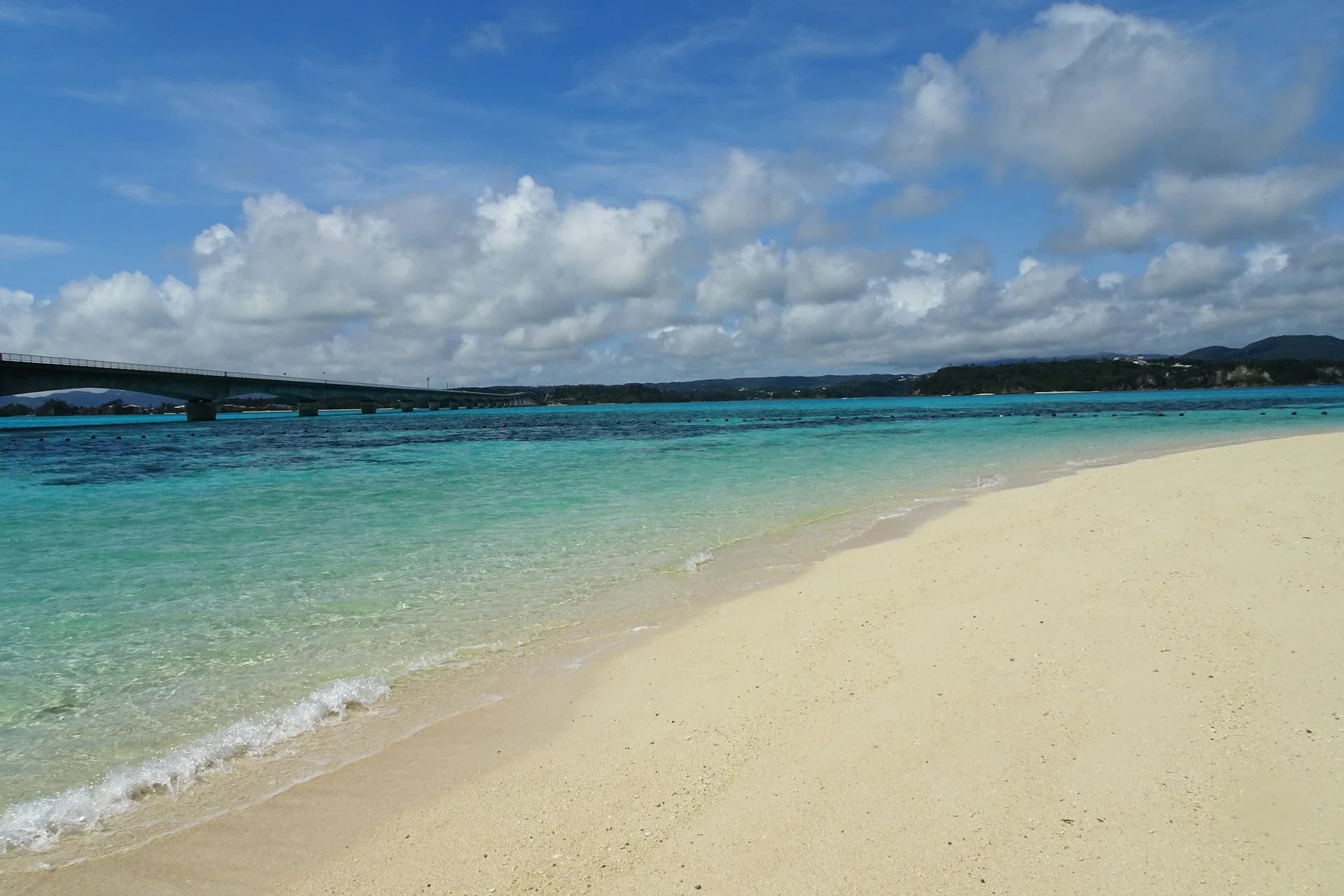
Key Facts
Best Time to Visit
March to May (warm, pre-rainy season) and October to November (typhoon season ends, warm water)
Language
Japanese; Okinawan (Uchinaaguchi) spoken by elders; English at tourist sites and US military areas
Currency
Japanese Yen (JPY)
Time Zone
JST (UTC+9)
Airport
Naha Airport (OKA) — monorail connects directly to downtown Naha
Population
~320,000 (Naha city); ~1.47 million (Okinawa prefecture)
Climate
Subtropical, avg 17-30°C; rainy season mid-May to mid-June; typhoon season July-October
Safety Rating
Very Safe (Level 1)
Blue Zone
One of 5 original Blue Zones — Okinawans have among the highest life expectancies on Earth
Top Highlights
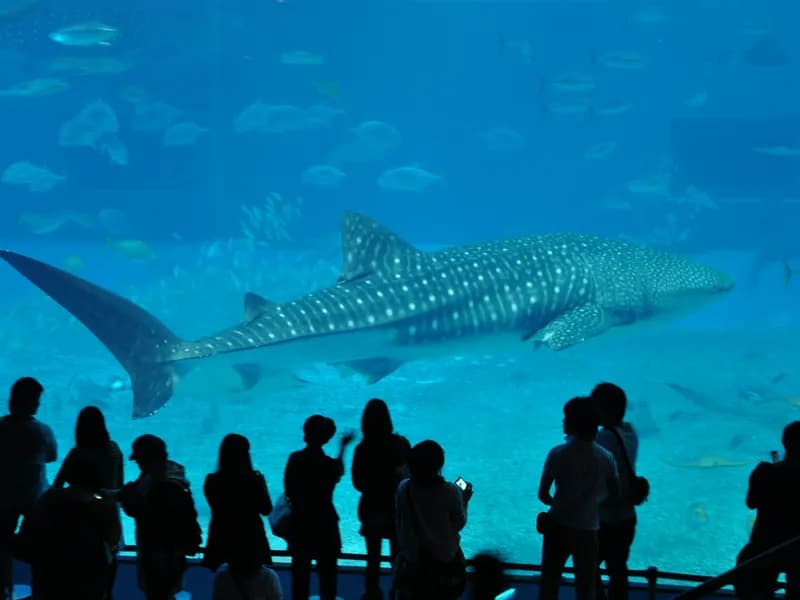
Churaumi Aquarium
One of the world's largest aquariums with a massive Kuroshio Sea tank housing whale sharks and manta rays behind a 22m-wide acrylic panel. Entry: 2,180 JPY adults. Open 8:30AM-6:30PM (8PM in summer). Discounted entry after 4PM (1,510 JPY). Allow 3 hours. Located in Ocean Expo Park, 2 hours north of Naha.
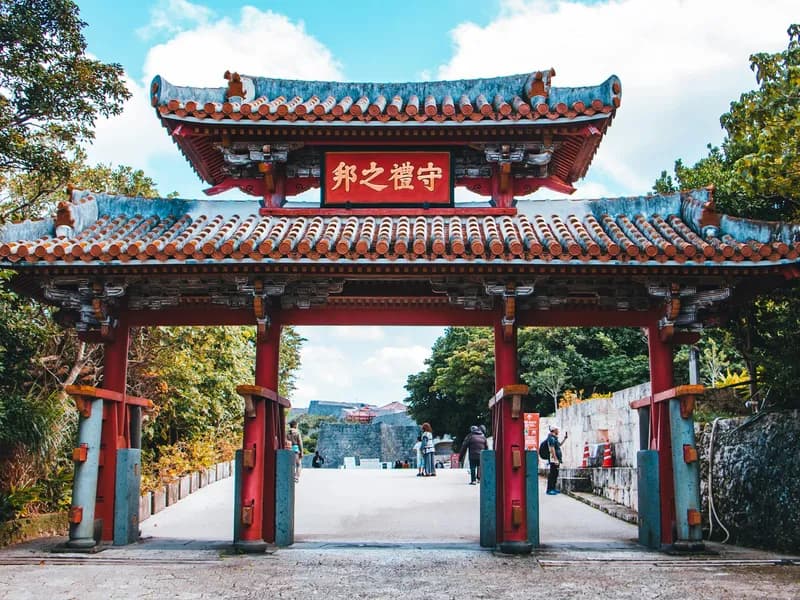
Shuri Castle
Reconstructed Ryukyu Kingdom palace (UNESCO World Heritage Site), originally dating to the 14th century. Destroyed by fire in 2019, the main hall is under reconstruction (completion ~2026) but the grounds, gates, and stone walls are open. Entry: 400 JPY. Allow 1.5 hours. Accessible by Naha monorail.
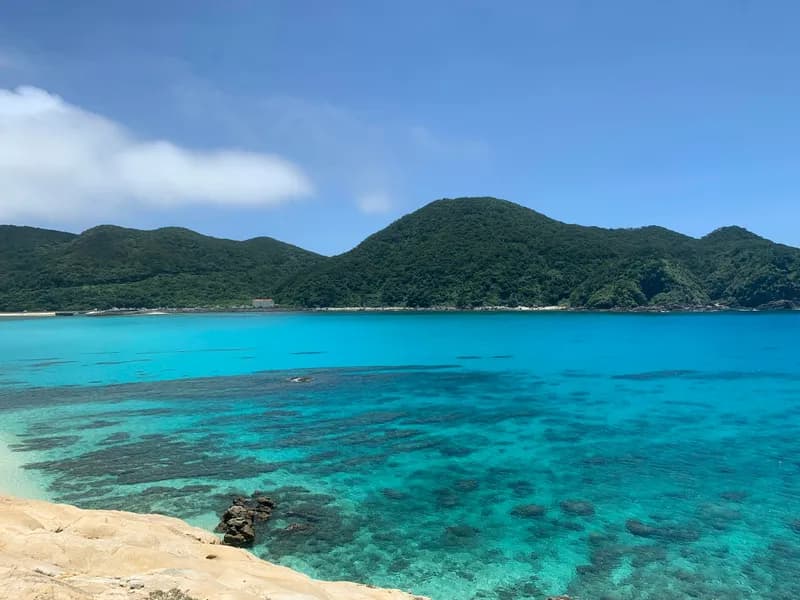
Kerama Islands
A 30-island archipelago 30 km west of Naha with some of Japan's clearest water (50m+ visibility). Zamami and Tokashiki islands offer world-class snorkeling with sea turtles. High-speed ferry from Naha Tomari Port: 50 minutes to Zamami (3,200 JPY one-way). Whale watching January-March.
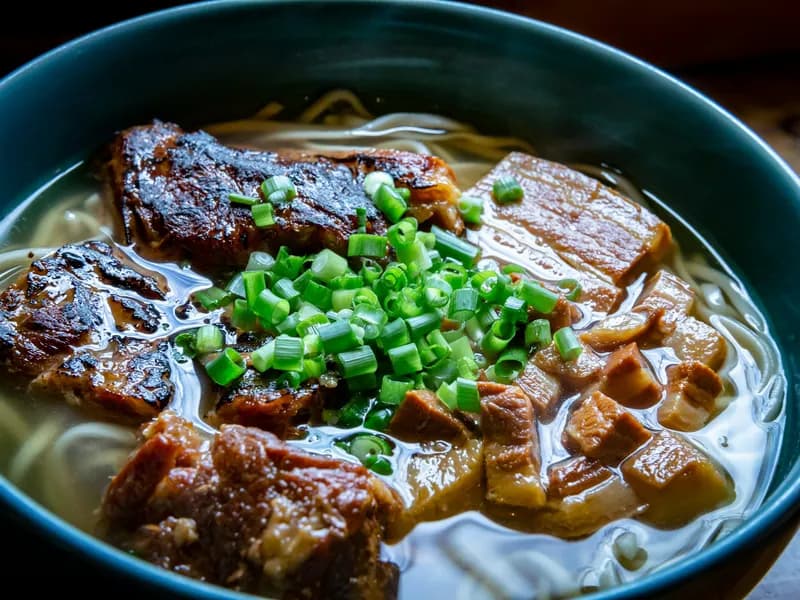
Blue Zone Longevity Culture
Visit Ogimi Village, the 'Village of Longevity,' where residents live past 100 at remarkable rates. The Ogimi Longevity Museum (free) explains the diet (sweet potato, tofu, seaweed, goya) and social structure (moai support groups). Nearby restaurants serve traditional longevity meals from 1,000 JPY.
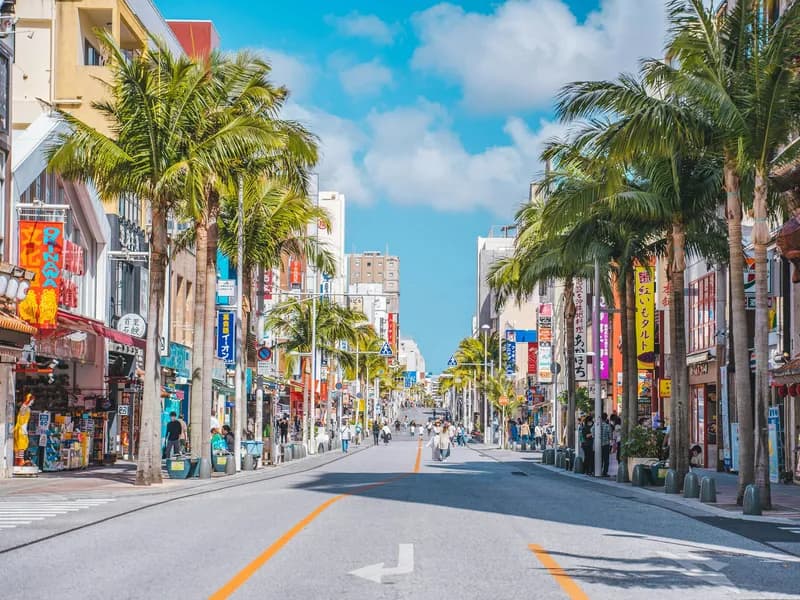
Kokusai Street (International Street), Naha
Naha's 1.6-km main drag packed with souvenir shops, restaurants, and Okinawan music bars. Try sata andagi (Okinawan doughnuts, ~200 JPY), purple sweet potato tarts at Okashigoten, and awamori (local spirit) tastings. The Makishi Public Market nearby has fresh seafood prepared on-the-spot for ~1,500 JPY.
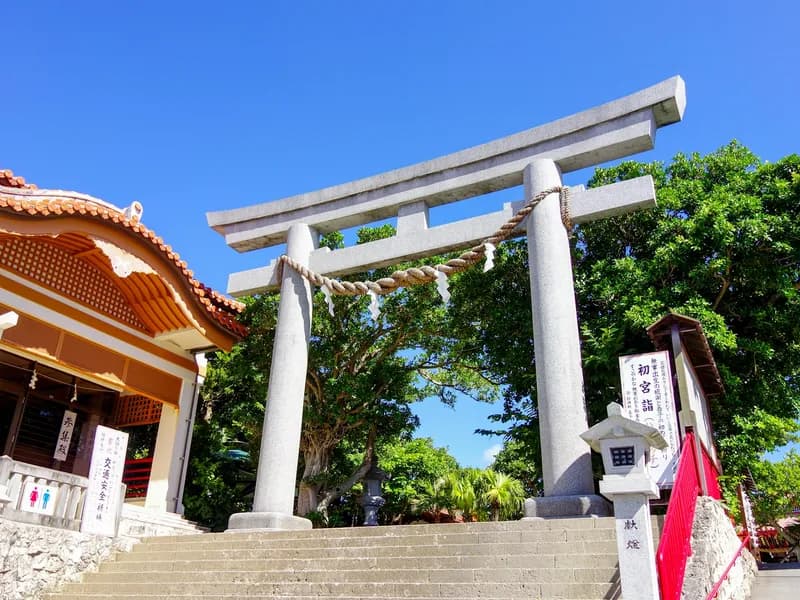
Naminoue Shrine & Beach
Hidden gem: Naminoue Shrine sits atop a cliff overlooking Naha's only city beach. A striking contrast of a traditional Shinto shrine above turquoise water. Free entry. The beach below is swimmable April-October. 10 minutes by taxi from Kokusai Street.
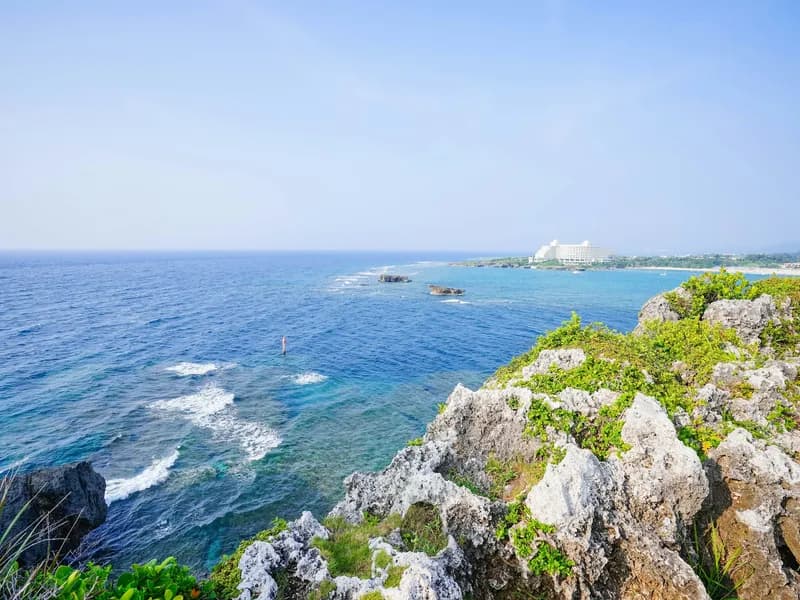
Cape Manzamo
Dramatic elephant-trunk-shaped cliff formation on Okinawa's west coast with panoramic ocean views. Free entry, paved walkways and viewing platforms. Best at sunset. 1 hour north of Naha. Often combined with a drive to the Churaumi Aquarium. Allow 30-45 minutes.
Planned Itinerary
7-Day Okinawa Itinerary
Arrival in Naha
Fly into Naha Airport (OKA) and explore the capital's main drag — Kokusai Street.
Monorail to hotel(20 minutes)
Yui Rail from OKA connects directly to downtown. 300 JPY to Kencho-mae or Makishi Station. Hotels from 4,000 JPY
Late lunch at Makishi Public Market(1 hour)
Choose fresh seafood, sashimi, or Agu pork downstairs — they cook it for you upstairs for ~500 JPY cooking fee. Total meal ~1,500 JPY
Walk Kokusai Street(1.5 hours)
1.6-km main drag — sata andagi (Okinawan doughnuts, 200 JPY), purple sweet potato tarts at Okashigoten, and awamori (local spirit) tastings
Evening at Heiwadori and Mutsumi Street side alleys(1 hour)
The side streets off Kokusai are more interesting — tiny izakayas, local ceramics shops, and fewer tourists
Shuri Castle & Naha Culture
Explore the Ryukyu Kingdom's palace ruins and Naha's distinct cultural sites.
Shuri Castle(2 hours)
400 JPY. UNESCO site — main hall under reconstruction (completion ~2026) but grounds, gates, and stone walls are open. Monorail to Shuri Station, 15-min walk
Shuri neighborhood walk(1 hour)
Stone-paved streets, Shuri soba restaurants, and Ryukyu glass workshops around the castle
Lunch at Shuri Soba(45 minutes)
Okinawa soba (wheat noodles with pork ribs in clear broth) — 650 JPY. Not buckwheat like mainland soba
Tsuboya Pottery District(1 hour)
Historic pottery neighborhood near Kokusai. Yachimun (Okinawan pottery) workshops and shops. Shisa lion dog pairs from 1,000 JPY
Naminoue Shrine and Beach(1 hour)
Shinto shrine on cliff above Naha's only city beach. Free. Striking contrast of shrine above turquoise water. Swimmable April-October
Churaumi Aquarium & North Drive
Rent a car and drive north to one of the world's best aquariums, with stops along the way.
Pick up rental car(30 minutes)
From 4,000-6,000 JPY/day at Naha. Expressway toll to Nago ~1,000 JPY. Drive on the left
Cape Manzamo stop(30 minutes)
Elephant-trunk-shaped cliff. Free. Paved walkways. 1 hour north of Naha. Quick photo stop
Churaumi Aquarium(3 hours)
2,180 JPY (1,510 JPY after 4PM). Massive Kuroshio Sea tank with whale sharks and mantas behind 22m-wide acrylic. In Ocean Expo Park — allow full morning/afternoon
Emerald Beach at Ocean Expo Park(1 hour)
Free beach adjacent to the aquarium. Clear water, white sand, lifeguards in summer. Less crowded than southern beaches
Return south with sunset stop(2 hours)
Stop at Araha Beach in Chatan for sunset — American Village nearby has shops and restaurants with Okinawan-American fusion vibe
Kerama Islands Day Trip
Fast ferry to Zamami Island — 50m+ visibility water, sea turtles, and Japan's best snorkeling.
High-speed ferry to Zamami(50 minutes)
3,200 JPY one-way from Naha Tomari Port. Book ahead at vill.zamami.okinawa. First departure ~9AM
Furuzamami Beach snorkeling(2.5 hours)
Walk from the port. Snorkel gear rental 1,000 JPY. Sea turtles, coral gardens, and visibility you won't believe. The beach is a marine park
Lunch at a Zamami village restaurant(1 hour)
Fresh island seafood — set meals from 1,000 JPY. Try mozuku (local seaweed) tempura
Ama Beach or Tokashiku hike(1.5 hours)
Walk or rent a bicycle (500 JPY) to reach quieter beaches on the island's other side
Return ferry to Naha(50 minutes)
Last ferry check the schedule — usually 4-5PM. January-March: whale watching from the ferry
Blue Zone & Northern Okinawa
Visit the Village of Longevity and explore northern Okinawa's quieter side.
Drive to Ogimi Village(2 hours)
The 'Village of Longevity' — Blue Zone where residents live past 100 at remarkable rates
Ogimi Longevity Museum(1 hour)
Free. Explains the diet (sweet potato, tofu, seaweed, goya) and moai social support groups behind the world's longest-living population
Longevity lunch at Emi no Mise(1 hour)
Traditional Okinawan longevity set meal — sweet potato, goya champuru (bitter melon stir-fry), tofu, seaweed. ~1,000 JPY
Hiji Falls hike(2 hours)
26m waterfall in Yanbaru National Park. 500 JPY. 1.5-km trail through subtropical forest. Northern Okinawa's wildest area
Free Day & Pottery Workshop
Rest morning, then hands-on cultural experience in the afternoon.
Yachimun pottery workshop(2 hours)
Make your own shisa lion dog pair at a Tsuboya workshop. ~3,000-4,000 JPY. They ship your finished piece home. Book through Tsuboya Pottery Museum (350 JPY entry)
Afternoon at American Village, Chatan(2 hours)
Seaside shopping and dining complex with Okinawan-American fusion culture. Sunset Beach, vintage shops, and A&W root beer (Okinawa's oldest fast food chain)
Farewell dinner at Ryukyu cuisine restaurant(1.5 hours)
Ukishima Garden in Naha — refined Ryukyu tasting menu from 3,500 JPY. Champuru (stir-fry), rafute (braised pork belly), and jimami tofu (peanut tofu)
Departure Day
Final morning. Return rental car and monorail to the airport.
Return rental car(30 minutes)
Most agencies near the airport with free shuttle
Last shopping at Kokusai Street(45 minutes)
Purple sweet potato tarts, Okinawan glass, shisa figurines, awamori bottles
Monorail to Naha Airport(15 minutes)
300 JPY. Airport has excellent food court if you arrive early
14-Day Okinawa Itinerary
Arrival in Naha
Fly into Naha Airport and explore Kokusai Street.
Monorail to hotel(20 minutes)
300 JPY. Hotels from 4,000 JPY
Makishi Public Market lunch(1 hour)
Choose seafood downstairs, cook upstairs. ~1,500 JPY
Kokusai Street walk(1.5 hours)
Sata andagi 200 JPY, sweet potato tarts, awamori tastings
Shuri Castle & Naha Culture
Ryukyu Kingdom history and Okinawan pottery.
Shuri Castle(2 hours)
400 JPY. UNESCO site. Grounds and gates open
Shuri soba lunch(45 minutes)
Okinawa soba 650 JPY
Tsuboya Pottery District(1 hour)
Yachimun workshops. Shisa pairs from 1,000 JPY
Naminoue Shrine and Beach(1 hour)
Cliff shrine above turquoise water. Free
Churaumi Aquarium & North Coast
World-class aquarium and scenic coastal drive.
Rent car and drive north(2 hours)
4,000-6,000 JPY/day. Toll ~1,000 JPY
Cape Manzamo(30 minutes)
Elephant cliff. Free
Churaumi Aquarium(3 hours)
2,180 JPY. Whale sharks and mantas
Emerald Beach(1 hour)
Free. Clear water
Kerama Islands Day Trip
Fast ferry to Zamami — 50m+ visibility and sea turtles.
Ferry to Zamami(50 minutes)
3,200 JPY one-way
Furuzamami Beach snorkeling(2.5 hours)
Gear 1,000 JPY. Sea turtles and coral
Island lunch(1 hour)
Fresh seafood sets from 1,000 JPY
Blue Zone Longevity & Yanbaru
Visit the Village of Longevity and the northern forest.
Longevity Museum(1 hour)
Free
Longevity lunch at Emi no Mise(1 hour)
Traditional set ~1,000 JPY
Hiji Falls hike(2 hours)
500 JPY. Subtropical forest
Rest Day & Pottery Workshop
Sleep in, then make your own shisa at a pottery workshop.
Yachimun pottery workshop(2 hours)
Make shisa pair. 3,000-4,000 JPY
American Village, Chatan(2 hours)
Seaside shopping, Sunset Beach
Dinner at Ukishima Garden(1.5 hours)
Ryukyu tasting menu from 3,500 JPY
Southern Battlefields & Peace Park
WWII history at Okinawa's southern tip — the Battle of Okinawa sites.
Okinawa Peace Memorial Park & Museum(2 hours)
300 JPY. Sobering museum documenting the Battle of Okinawa (82,000+ civilian deaths). Cornerstone of Peace monument lists all names regardless of nationality
Himeyuri Peace Museum(1.5 hours)
450 JPY. Story of schoolgirl nurses drafted during the battle. Deeply moving
Lunch at Cafe Curcuma(1 hour)
Clifftop Thai-Okinawan fusion cafe overlooking the Pacific. Curries from 1,200 JPY with stunning views
Sefa Utaki sacred site(45 minutes)
300 JPY. Okinawa's most sacred Ryukyu spiritual site — a cave and rock formation used for royal prayer. UNESCO World Heritage
Tokashiki Island Overnight
Ferry to the largest Kerama island for overnight stay — deeper island immersion than a day trip.
Ferry to Tokashiki(35 minutes)
Marine Liner ferry 1,660 JPY one-way from Naha Tomari Port
Check in at minshuku(30 minutes)
Japanese guesthouse from 5,000 JPY with meals
Aharen Beach(3 hours)
One of Japan's most beautiful beaches — crystal water, coral reef, sea turtles. Snorkel gear rental 1,000 JPY
Sunset from Aharen viewpoint(45 minutes)
Short walk up from the beach. Panoramic views of the Kerama archipelago
Tokashiki Diving & Return
Morning dive or snorkel, then afternoon ferry back to Naha.
Morning dive at Kerama's outer reefs(3 hours)
2-dive morning from ~12,000 JPY. Sea turtles, ray encounters, and visibility often exceeding 40m
Beach time at Tokashiku(1.5 hours)
Quieter beach on the west coast. Turtles frequently spotted even while snorkeling from shore
Central Okinawa & Underwater Ruins
Visit the mysterious Yonaguni-style underwater ruins replica and Okinawan cultural sites.
Ryukyu Village cultural park(2 hours)
1,500 JPY. Reconstructed Ryukyu village with traditional houses. Sanshin music lessons, eisa dancing demonstrations, textile dyeing workshops included
Bios no Oka nature park(1.5 hours)
1,800 JPY. Subtropical forest with lake cruise, canoe, and water buffalo cart rides. Peaceful alternative to tourist crowds
Lunch at a soba shop in Nakagusuku(45 minutes)
Central Okinawa soba restaurants are less touristed and often better. Try Kishimoto Shokudo (since 1905)
Nakagusuku Castle ruins(1 hour)
400 JPY. UNESCO World Heritage castle ruin with panoramic views of both coasts. Less visited than Shuri
Rest Day
Free day. Beach, shopping, or exploring at your own pace.
Beach day at Nirai Beach or Manza Beach(3 hours)
Resort beaches on the west coast — clear water, full facilities
Evening at a local izakaya(1.5 hours)
Try Okinawan izakaya fare — umibudo (sea grapes), taco rice, goya champuru, and Orion beer draft (500 JPY)
Okinawan Cooking Class & Shopping
Learn to cook Ryukyu cuisine, then stock up on Okinawan specialties.
Okinawan cooking class(3 hours)
Learn champuru, Okinawa soba, and andagi through platforms like Cookly. ~5,000-7,000 JPY
Pottery shopping at Yachimun no Sato(1.5 hours)
Pottery village in Yomitan — 20+ studios with kilns. Larger pieces shipped internationally. Cups from 1,500 JPY
Lunch at Hanagasa Shokudo, Yomitan(45 minutes)
Local set meals with ocean views from 800 JPY
Glass blowing at Ryukyu Glass Village(1 hour)
Make your own Ryukyu glass tumbler — 2,000-3,500 JPY. Ship home
Last Full Day — Favorites
Return to your favorite spots. Final shopping and farewell dinner.
Morning at Makishi Market(1 hour)
One last market breakfast
Kokusai Street souvenirs(1.5 hours)
Purple sweet potato tarts, Ryukyu glass, shisa, chinsuko cookies, awamori
Farewell Okinawa soba(45 minutes)
Your favorite soba shop, one last time
Departure Day
Return car and fly out of Naha.
Monorail to airport(15 minutes)
300 JPY. Airport food court excellent for early arrivals
21-Day Okinawa Itinerary
Arrival in Naha
Fly into Naha Airport and explore Kokusai Street.
Monorail to hotel(20 minutes)
300 JPY
Makishi Market lunch(1 hour)
Pick seafood downstairs, cook upstairs. ~1,500 JPY
Shuri Castle & Naha Culture
Ryukyu Kingdom history and pottery district.
Shuri Castle(2 hours)
400 JPY
North Drive & Churaumi Aquarium
Pick up rental car and drive to the aquarium.
Rent car(30 minutes)
4,000-6,000 JPY/day
Churaumi Aquarium(3 hours)
2,180 JPY
Kerama Islands — Zamami
Day trip to Zamami for world-class snorkeling.
Ferry to Zamami(50 minutes)
3,200 JPY
Blue Zone & Yanbaru Forest
Longevity village and northern wilderness.
Southern Battlefields & Peace
WWII history and the Peace Memorial.
Peace Memorial Park & Museum(2 hours)
300 JPY
Himeyuri Peace Museum(1.5 hours)
450 JPY
Cafe Curcuma lunch(1 hour)
Clifftop views. Curries from 1,200 JPY
Sefa Utaki(45 minutes)
300 JPY. UNESCO sacred site
Rest Day
Free day in Naha. Sleep in, beach, explore.
Pottery workshop(2 hours)
Make shisa pair. 3,000-4,000 JPY
Tokashiki Island — Overnight
Ferry to the largest Kerama island for deeper immersion.
Ferry to Tokashiki(35 minutes)
1,660 JPY
Check in minshuku(30 minutes)
From 5,000 JPY with meals
Aharen Beach(3 hours)
Crystal water, coral, turtles
Tokashiki Diving & Return
Morning dive, then ferry back.
Morning 2-dive trip(3 hours)
~12,000 JPY. 40m+ visibility
Central Okinawa Culture
Ryukyu Village, nature parks, and castle ruins.
Ryukyu Village(2 hours)
1,500 JPY. Sanshin lessons, eisa dancing
Bios no Oka(1.5 hours)
1,800 JPY. Subtropical forest
Nakagusuku Castle ruins(1 hour)
400 JPY. UNESCO
Fly to Miyako-jima
Short flight to Miyako Island — arguably Japan's most beautiful beaches.
Flight to Miyako-jima(45 minutes)
~8,000 JPY on JTA or RAC from Naha. Book early
Rent car on Miyako(30 minutes)
4,000 JPY/day
Yonaha Maehama Beach(2 hours)
Consistently ranked Japan's #1 beach. 7 km of white powder sand. Free
Irabu Bridge drive(1 hour)
Free. 3.5-km bridge connecting Miyako to Irabu Island. Stop at viewpoints — the ocean gradient from turquoise to sapphire is surreal
Miyako-jima Exploration
Snorkeling, hidden beaches, and the unique rock formations of Miyako.
Yoshino Beach snorkeling(2 hours)
Beach entry snorkeling — massive coral reef. Gear rental 1,000 JPY. One of the Miyako's best reef sites
Sunayama Beach(1 hour)
Walk through a natural rock archway to a hidden crescent beach. Free. Instagram-famous but genuinely beautiful
Shimoji-shima caves and coastline(1.5 hours)
Connected to Irabu via bridge. Toriike Pond (connected underground to the sea) and dramatic cliffs
Return flight to Naha(45 minutes)
Evening flight back
Rest Day
Recovery day after island hopping.
Sanshin music bar in Naha(2 hours)
Kanagusuku area has tiny bars with live Okinawan folk music. Beer and music from 1,500 JPY cover
Cooking Class & Yachimun
Learn Ryukyu cuisine and shop for pottery.
Okinawan cooking class(3 hours)
Champuru, soba, andagi. 5,000-7,000 JPY
Yachimun no Sato pottery village(1.5 hours)
Yomitan. 20+ studios with kilns
Ryukyu Glass Village(1 hour)
Make your own glass. 2,000-3,500 JPY
Ie-jima Island Day Trip
Small island off the Motobu Peninsula — flower fields and dramatic cliffs.
Drive to Motobu and ferry to Ie-jima(2.5 hours)
30-min ferry from Motobu Port. 730 JPY one-way
Tacchu Peak hike(1.5 hours)
172m cone-shaped hill in the center of the flat island. 360-degree ocean views from the top. 20-minute climb
Lily festival fields (April-May)(1 hour)
1 million Easter lilies bloom simultaneously. Outside season, the coastal cycling is still beautiful
Scuba Diving Day
Dive Okinawa's main island sites — caves, drop-offs, and macro life.
Two-dive morning at Maeda Point (Blue Cave)(4 hours)
~12,000 JPY for 2 dives. The Blue Cave is a cavern filled with blue light from underwater reflections. Most popular dive/snorkel site on the main island
Textile & Craft Deep Dive
Explore Okinawa's textile heritage — bingata dyeing and bashofu banana fiber weaving.
Shuri Ryusen bingata workshop(2 hours)
Traditional Okinawan dyeing technique — make your own bingata piece. From 2,000 JPY
Naha Museum of History(1.5 hours)
350 JPY. Covers Okinawan history from the Ryukyu Kingdom through WWII to reversion
Okinawa Prefectural Museum(1.5 hours)
530 JPY. Comprehensive art and natural history museum. Excellent Ryukyu artifacts
Rest Day
Third rest day. Take it at Okinawa Time pace.
Okinawa World & Caves
Massive limestone caves, Ryukyu cultural village, and habu snake shows.
Okinawa World(3 hours)
2,000 JPY. Gyokusendo Cave (300,000-year-old limestone cave, 850m walk), Kingdom Village with 100+ year old Ryukyu houses, Eisa dance shows. 30 min south of Naha
Niraikanai Bridge drive(30 minutes)
Spectacular cliff road with Pacific views
Last Full Day — Favorites & Farewell
Return to what you loved. Final shopping and farewell dinner.
Kokusai Street souvenirs(1.5 hours)
Sweet potato tarts, shisa, Ryukyu glass, awamori
Farewell dinner at Ukishima Garden(2 hours)
Ryukyu tasting menu from 3,500 JPY
Departure Day
Return car and fly out.
Travel Tips
Visa & Entry
Same Japan Visa Rules Apply
Standard Japan visa-free entry for 90 days for most Western nationalities. Okinawa is a domestic destination — if you're already in Japan, no additional requirements. Visit Japan Web registration recommended for smooth arrival at Naha Airport.
transport
Rent a Car — Public Transport is Limited
Outside Naha (which has a monorail), Okinawa's main island has minimal public transit. Rent a car from ~4,000-6,000 JPY/day at Naha Airport. The expressway runs north-south (toll ~1,000 JPY to the aquarium area). Drive on the left. International Driving Permit required for most foreign licenses.
Island Hopping to Outer Islands
Ferries and small planes connect to Miyako-jima (stunning beaches, 45-min flight ~8,000 JPY), Ishigaki (gateway to Yaeyama islands, 1-hour flight ~10,000 JPY), and Kerama Islands (50-min ferry). Book inter-island flights early on Peach, JTA, or RAC airlines. The outer islands are significantly quieter than the main island.
Safety
Typhoon Season Preparedness
July to October brings typhoons — check forecasts at jma.go.jp. If a typhoon is approaching, flights cancel 24+ hours ahead. Hotels are well-built and safe. Stock up on food and water. The upside: post-typhoon days often have the clearest skies and calmest waters for snorkeling.
Local Customs
Okinawan Culture is Distinct from Mainland Japan
Okinawa was the independent Ryukyu Kingdom until 1879. Locals take pride in distinct traditions — sanshin music, eisa dancing, and Ryukyu cuisine. Learning a few Okinawan words (mensore = welcome, nifee debiru = thank you) is appreciated. The pace of life is called 'Okinawa Time' — more relaxed than mainland.
Budget
Okinawa is Cheaper Than Mainland Japan
Accommodation averages 30-40% less than Tokyo or Kyoto. Budget hotels from 4,000 JPY/night, mid-range resorts 10,000-20,000 JPY. Local restaurants serve set meals (teishoku) for 700-1,200 JPY. Okinawa soba (not buckwheat — wheat noodles with pork ribs) is a filling meal for ~600 JPY.
Related Articles
Tips10 Things I Wish I'd Known Before My First Trip to Okinawa
From the car rental you definitely need to the Spam you'll definitely eat — a first-timer's essential tips for Japan's tropical archipelago.
Travel GuidesThe Complete Guide to Okinawa: Japan's Tropical Secret
Blue Zone longevity, Ryukyu castles, and island hopping — everything you need for Japan's most un-Japanese destination.
Travel GuidesOkinawa vs Bali: Where Japan's Tropics Meet Southeast Asia's Best
One is Japan's Blue Zone paradise. The other is the world's most famous tropical island. A side-by-side comparison for every type of traveler.