Okinawa vs Bali: Where Japan's Tropics Meet Southeast Asia's Best
Okinawa vs Bali: Where Japan's Tropics Meet Southeast Asia's Best
On paper, these two destinations serve the same craving — tropical beaches, warm water, cultural depth. In practice, they're about as different as two tropical islands can be. I've spent 2 weeks in each, and the experiences had almost zero overlap.
Here's who should choose which, and why.
Why Compare Them?
Bali and Okinawa are the two most popular tropical-island destinations in the western Pacific for different markets. Bali draws everyone — backpackers to honeymooners. Okinawa draws mostly Japanese domestic tourists, with a growing international contingent discovering it.
They share: warm water, coral reefs, unique local cultures distinct from their mainland countries, and excellent food. They differ in: cost, infrastructure, crowd levels, nightlife, and cultural atmosphere.
Beaches
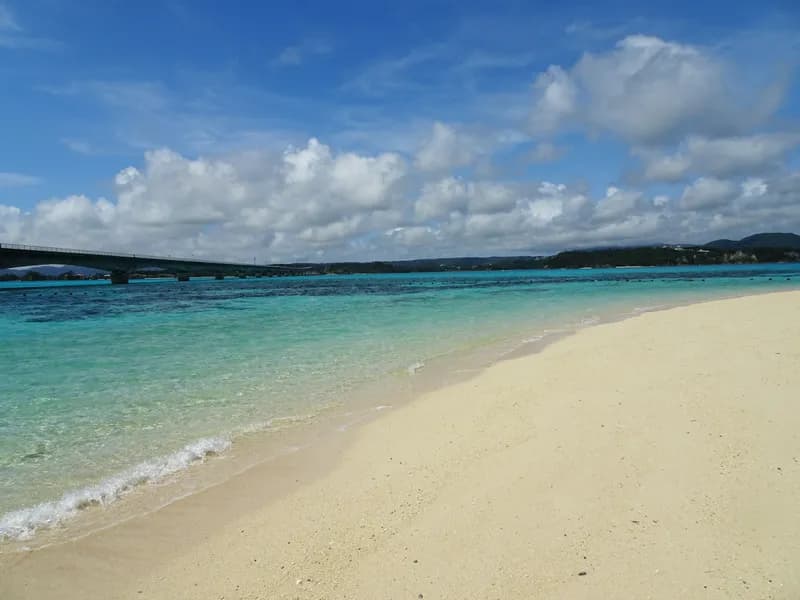
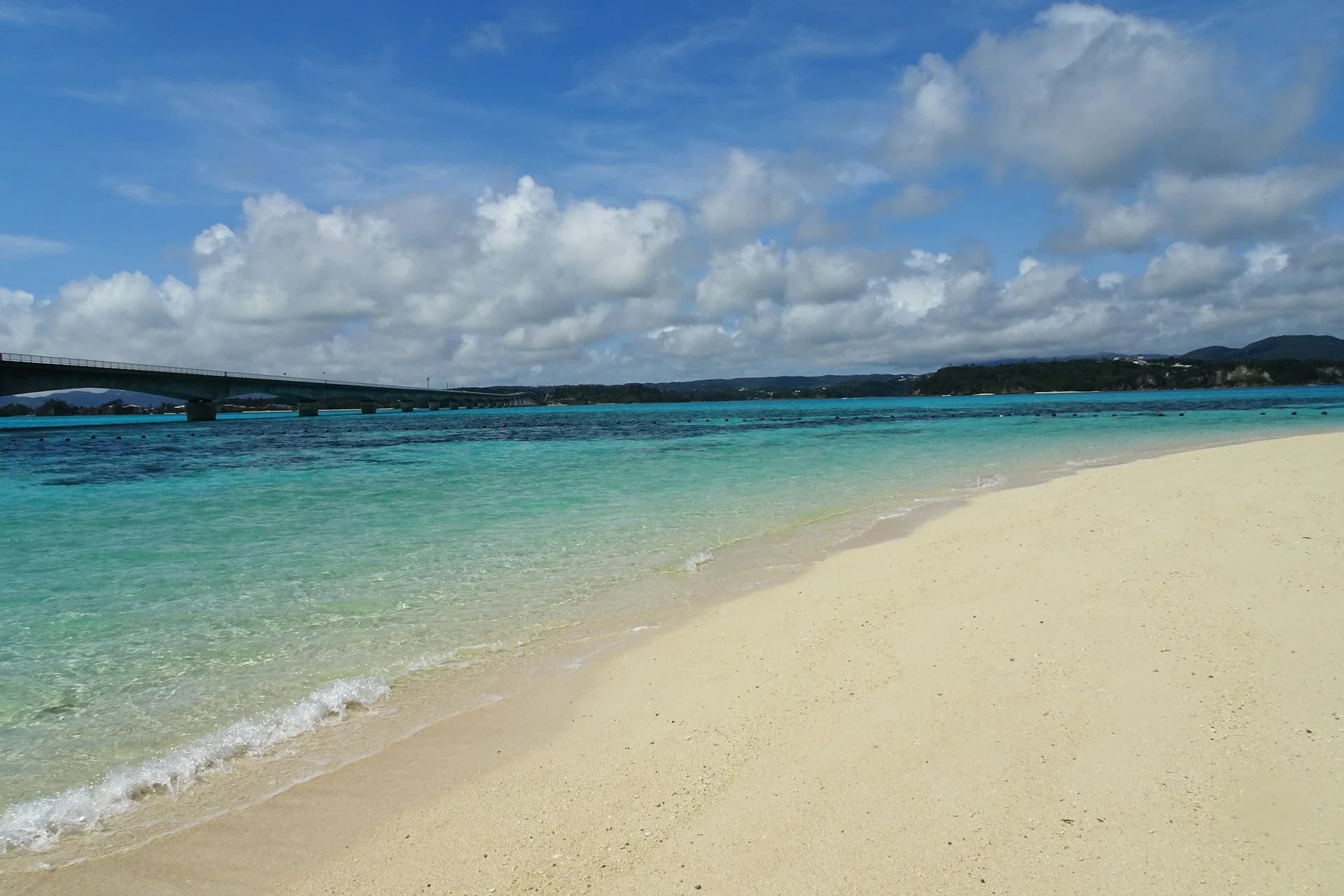
Okinawa: The main island's beaches are good but not Bali-level iconic. The real beach magic is in the outer islands — Kerama (Zamami's Furuzamami Beach ranks as Japan's best), Miyako-jima (Yonaha Maehama is a 7-km white sand stretch), and Ishigaki. Water clarity is extraordinary — 50m+ visibility in the Keramas.
Bali: The famous beaches (Kuta, Seminyak) are overcrowded and average. The better beaches are at Nusa Dua (resort-controlled), Uluwatu (cliff-backed surf breaks), and Amed (black volcanic sand with great snorkeling). Nusa Penida, a boat trip from Bali, has the most dramatic coastal scenery.
Winner: Okinawa for water clarity and empty beaches (outer islands). Bali for variety and surf breaks.
Snorkeling & Diving
Okinawa: The Kerama Islands have some of Japan's best shore snorkeling — sea turtles within wading distance at Tokashiki and Zamami. Diving around Yonaguni Island's mysterious underwater rock formations (ruins or natural? Nobody's sure) is unique to Okinawa. Whale watching from January-March in the Keramas.
Bali: Manta Point at Nusa Penida, the USAT Liberty wreck at Tulamben, and Amed's reef. The manta rays are Bali's trump card — almost-guaranteed encounters with 3-4m mantas at the cleaning station.
Winner: Bali for big-animal encounters. Okinawa for turtle snorkeling and water clarity.
Food
Okinawa: Okinawan cuisine is its own thing — not mainland Japanese food with a beach twist. Okinawa soba (wheat noodles with pork ribs), goya champuru (bitter melon stir-fry), taco rice (a US military legacy), and sata andagi (doughnuts). The food is hearty, affordable (600-1,200 JPY per meal), and linked to the Blue Zone longevity diet.
Bali: Babi guling (suckling pig), nasi campur, satay, and an enormous international food scene — Japanese, Italian, Mexican, Indian restaurants in Seminyak and Canggu. Warung meals from 25,000 IDR ($1.60). Fine dining under $30.
Winner: Bali for variety. Okinawa for uniqueness and health (literally — Blue Zone cuisine).
Culture
Okinawa: The Ryukyu Kingdom was independent until 1879, and the cultural distinction from mainland Japan is stark — different music (sanshin, a three-stringed instrument), different dance (eisa), different language (Okinawan/Uchinaaguchi), different food. Shuri Castle is the physical anchor. The Battle of Okinawa history (WWII) adds sobering depth.
Bali: Hindu island in a Muslim nation. Daily offerings (canang sari) on every sidewalk, gamelan music, kecak fire dances, temple ceremonies that happen constantly, and Ubud's art scene. Bali's cultural accessibility — the way it's packaged and presented for tourists — is unmatched.
Winner: Bali for immersive cultural experiences. Okinawa for historical depth and uniqueness.
Cost
| Item | Okinawa | Bali |
|---|---|---|
| Budget room | 4,000 JPY ($25) | 200,000 IDR ($13) |
| Meal | 600-1,200 JPY ($4-8) | 25,000-60,000 IDR ($1.60-3.80) |
| Rental car/scooter | 4,000-6,000 JPY/day ($25-38) | 60,000-80,000 IDR/day ($4-5) |
| Dive (2 dives) | 15,000-20,000 JPY ($96-128) | 1,200,000 IDR ($77) |
| Daily budget | 12,000-20,000 JPY ($77-128) | 400,000-700,000 IDR ($26-45) |
Winner: Bali, decisively. About 40-60% cheaper across the board.
Infrastructure
Okinawa: Japanese infrastructure — everything works. Roads are perfect. Car rentals are reliable. Medical facilities are excellent. The Naha monorail covers the city. But outside Naha, public transport is minimal; a rental car is essential.
Bali: Improving but still chaotic. Traffic in south Bali is genuinely terrible. Grab (ride-hailing) works well. Medical facilities are good in south Bali, limited elsewhere. WiFi and 4G are reliable.
Winner: Okinawa for reliability and safety. Bali for ride-hailing convenience.
The Verdict
Choose Okinawa if: You value safety and cleanliness, want uncrowded beaches (outer islands), are interested in Blue Zone longevity culture, enjoy Japanese-style hospitality, don't mind paying more, and prefer understated over exuberant.
Choose Bali if: You want the classic tropical island experience, are on a budget, crave cultural immersion and nightlife, want diverse food options, and don't mind crowds at popular spots. For a different perspective, consider Bali as well. Travelers who enjoy this often also love Kyoto.
The sleeper pick: Visit both on one trip. Tokyo to Naha (2.5 hours), Naha to Bali (direct flights exist on certain carriers, ~5 hours). It's an unusual combination that gives you the best of Japanese and Southeast Asian tropical travel. If you're exploring the region, Hiroshima offers a compelling comparison. For a different perspective, consider Tokyo as well.