The Complete Guide to Okinawa: Japan's Tropical Secret
The Complete Guide to Okinawa: Japan's Tropical Secret
Overview
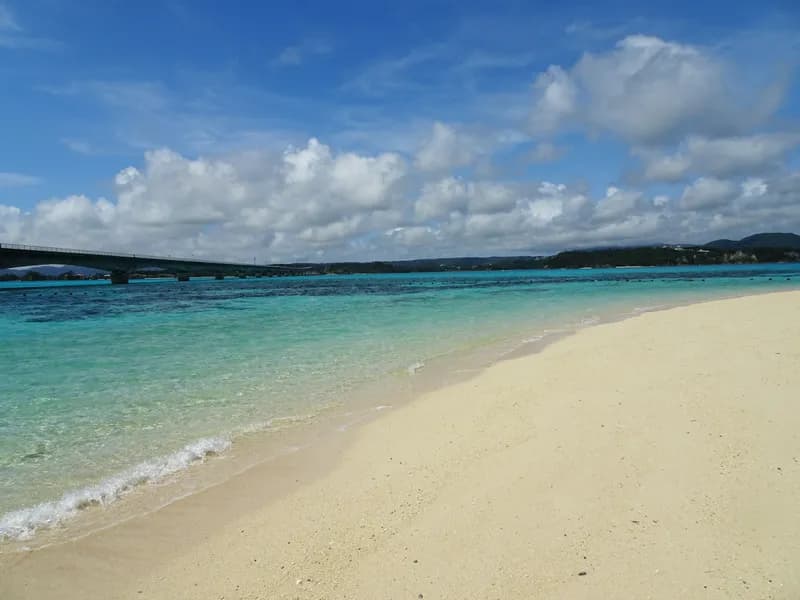
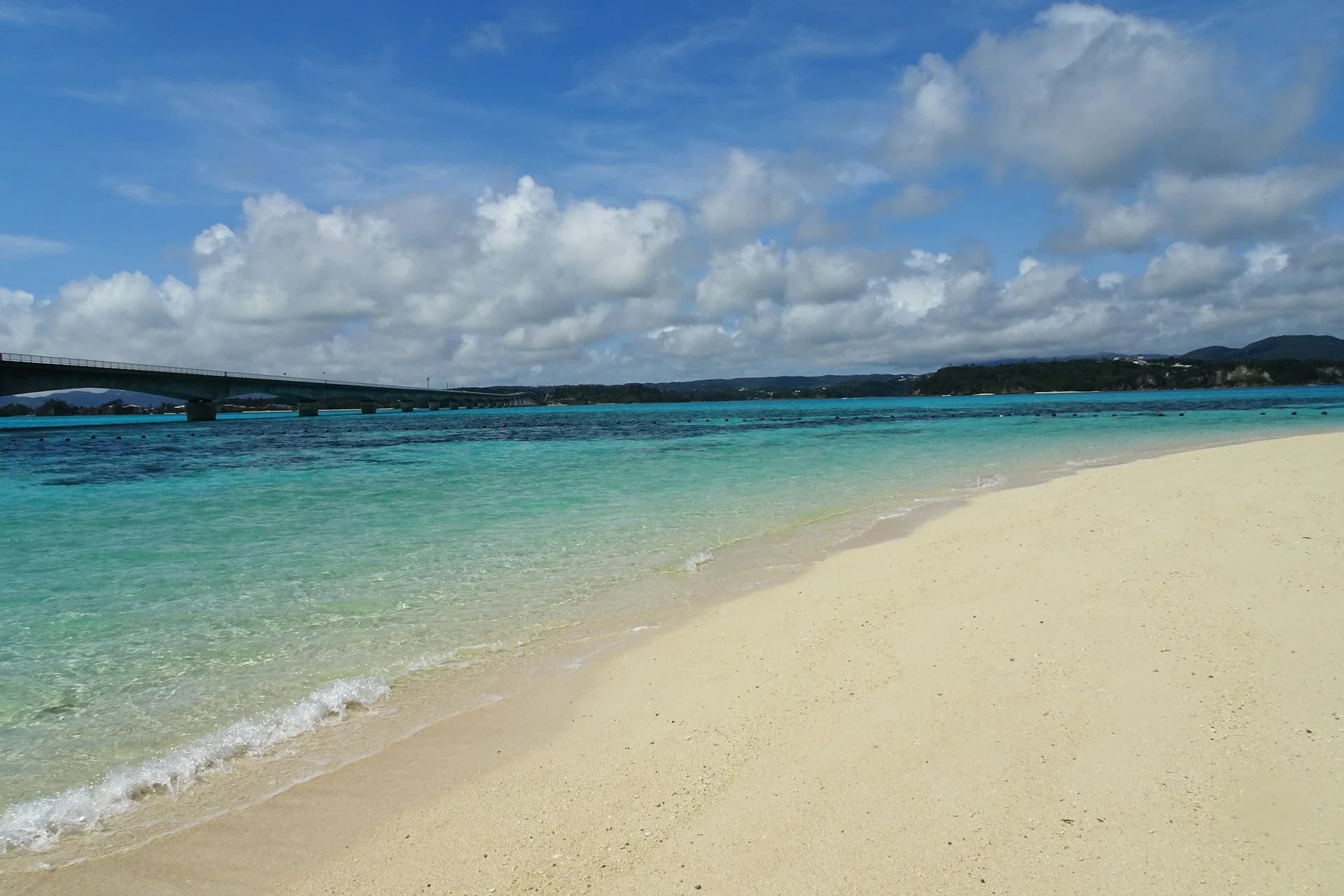
Okinawa is Japan's Hawaii — a subtropical archipelago 1,600 km south of Tokyo with turquoise water, coral beaches, and a culture that's distinctly different from the mainland. The islands were the independent Ryukyu Kingdom until 1879, and that heritage shows in everything from the architecture to the music to the cuisine.
Okinawa is also one of the world's five original Blue Zones — places where people live measurably longer than anywhere else. The residents of Ogimi Village have among the highest centenarian rates on Earth. The reasons are cultural, dietary, and social, and they're worth understanding even if you're just here for the beach.
Best Time to Visit
March to May — Warm (22-27°C), pre-rainy season, cherry blossoms arrive in January-February (earliest in Japan). Water is warm enough for swimming by late April.
October to November — Typhoon season ends, water is still warm (25-27°C), crowds thin out, and prices drop from summer peaks.
Avoid: Mid-May to mid-June (tsuyu rainy season — heavy, persistent rain). July-October (typhoon risk — flights cancel 24+ hours before a storm).
Getting There
By air: Naha Airport (OKA). Direct flights from Tokyo (2.5 hours, from 8,000 JPY on Peach/Jetstar), Osaka (2 hours), and several Asian cities. The airport monorail connects directly to downtown Naha.
Inter-island flights: Miyako-jima (45 minutes, ~8,000 JPY), Ishigaki (1 hour, ~10,000 JPY). Book early on JTA, RAC, or Peach.
Inter-island ferries: Kerama Islands from Naha Tomari Port (50 minutes high-speed, 3,200 JPY one-way to Zamami).
Where to Stay
Naha — The capital, with the monorail, Kokusai Street, and easy ferry access to the Kerama Islands. Best for first-time visitors. Budget hotels from 4,000 JPY, mid-range 8,000-15,000 JPY.
Chatan/American Village area — West coast, 30 minutes north of Naha. Beachfront hotels, shopping, and restaurants. More resort-oriented. Mid-range 10,000-25,000 JPY.
Northern Okinawa (Motobu/Nago) — Near Churaumi Aquarium. Quieter, more nature-focused. Resort hotels and pensions from 8,000 JPY.
Kerama Islands — For serious snorkeling and diving. Simple minshuku (guesthouses) from 5,000 JPY including meals.
What to Do
Churaumi Aquarium
One of the world's largest. The Kuroshio Sea tank houses whale sharks behind a 22-meter acrylic panel. Entry: 2,180 JPY (1,510 JPY after 4PM). Open 8:30AM-6:30PM. Allow 3 hours. Located 2 hours north of Naha — combine with the northern coast drive.
Shuri Castle
The reconstructed Ryukyu Kingdom palace — UNESCO World Heritage Site. The main hall was destroyed by fire in 2019 and reconstruction is ongoing (completion ~2026). The grounds, gates, and stone walls are open and impressive. Entry: 400 JPY. Accessible by Naha monorail.
Kerama Islands
Zamami and Tokashiki offer Japan's clearest water (50m+ visibility). Sea turtle snorkeling is almost guaranteed. Whale watching January-March (humpback whales breed in the warm Kerama waters). A day trip from Naha is feasible, but overnight is better.
Blue Zone Exploration
Ogimi Village (2 hours north of Naha) is the "Village of Longevity." The free museum explains the diet and lifestyle factors: sweet potato-heavy diet, strong social bonds (moai support groups), daily physical activity into old age. Nearby restaurants serve traditional longevity meals from 1,000 JPY.
Kokusai Street, Naha
The 1.6-km main shopping and dining street. Try sata andagi (Okinawan doughnuts, ~200 JPY), purple sweet potato tarts at Okashigoten, and awamori (local spirit) tastings. Makishi Public Market nearby has fresh seafood prepared on-the-spot (~1,500 JPY).
Cape Manzamo
Dramatic elephant-trunk cliff formation on the west coast. Free entry, paved walkways. Best at sunset. 1 hour north of Naha.
Beaches
- Emerald Beach (Motobu) — Artificial but beautiful, next to the aquarium
- Naminoue Beach (Naha) — City beach beneath Naminoue Shrine
- Furuzamami Beach (Zamami Island) — Japan's #1 rated beach, crystal clear
- Aharen Beach (Tokashiki) — White sand, turtle snorkeling
Food
Okinawan cuisine is distinct from mainland Japanese — influenced by Chinese, Southeast Asian, and American traditions.
Must-try:
- Okinawa soba — Wheat noodles (not buckwheat) in bonito-pork broth with soki (spare ribs) or sanmai-niku (pork belly). 600-900 JPY. Not like mainland soba at all.
- Goya champuru — Bitter melon stir-fry with tofu, egg, and Spam (yes, Spam — an American military legacy). 500-800 JPY.
- Taco rice — Ground beef taco toppings on rice. Invented in Okinawa for American GIs. The original is at King Tacos in Kin Town.
- Sata andagi — Dense Okinawan doughnuts, sweet and crispy. 100-200 JPY.
- Purple sweet potato tart — Okinawa's signature souvenir and genuinely delicious.
- Awamori — Okinawa's indigenous spirit, distilled from long-grain rice. Stronger than sake (25-43% ABV). Try aged (kusu) versions.
Budget Breakdown
| Category | Budget | Mid-Range |
|---|---|---|
| Accommodation | 4,000-6,000 JPY | 10,000-20,000 JPY |
| Food | 2,000-3,000 JPY/day | 4,000-8,000 JPY/day |
| Transport | 1,000-2,000 JPY (monorail) | 4,000-6,000 JPY (rental car) |
| Activities | 2,000-4,000 JPY | 5,000-10,000 JPY |
| Daily Total | 9,000-15,000 JPY ($57-96) | 23,000-44,000 JPY ($147-282) |
Okinawa is 30-40% cheaper than Tokyo or Kyoto for accommodation and dining.
Safety
- Typhoons (July-October): Check forecasts at jma.go.jp. Hotels are well-built and safe. Flights cancel 24+ hours ahead.
- Jellyfish (June-September): Box jellyfish possible. Most beaches have nets during summer. Heed warning signs.
- Sun: The subtropical sun is intense. High-SPF sunscreen is essential even in winter.
Useful Phrases
Okinawan phrases that locals appreciate:
| Okinawan | Meaning |
|---|---|
| Mensore | Welcome |
| Nifee debiru | Thank you |
| Kwacchi sabira | Before eating (like itadakimasu) |
| Haisai (male) / Haitai (female) | Hello |
How Many Days?
3 days: Naha (Kokusai Street, Shuri Castle) + Churaumi Aquarium day trip 5 days: Add Kerama Islands (1-2 nights) + Blue Zone village + west coast beaches 7+ days: Add Miyako-jima or Ishigaki for outer island exploration If you're exploring the region, Tokyo offers a compelling comparison. For a different perspective, consider Hokkaido as well.
Okinawa isn't Japan's beach add-on — it's a separate destination with its own culture, cuisine, and pace. The Ryukyu heritage, the Blue Zone lifestyle, and the underwater world around the Kerama Islands make it worth a dedicated trip rather than a tagged-on weekend. Travelers who enjoy this often also love Bali. If you're exploring the region, Kyoto offers a compelling comparison.