The Complete Jaisalmer Travel Guide: Desert Forts, Sand Dunes, and the Golden City
The Complete Jaisalmer Travel Guide: Desert Forts, Sand Dunes, and the Golden City
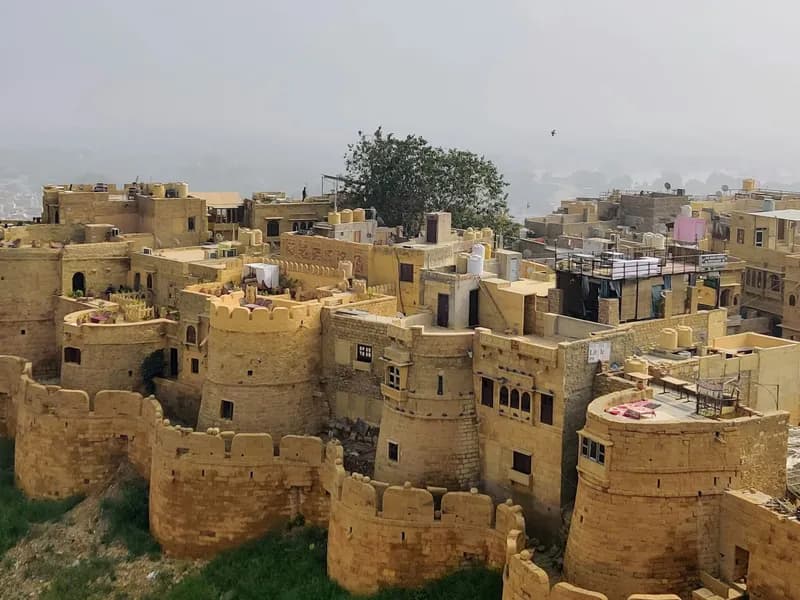
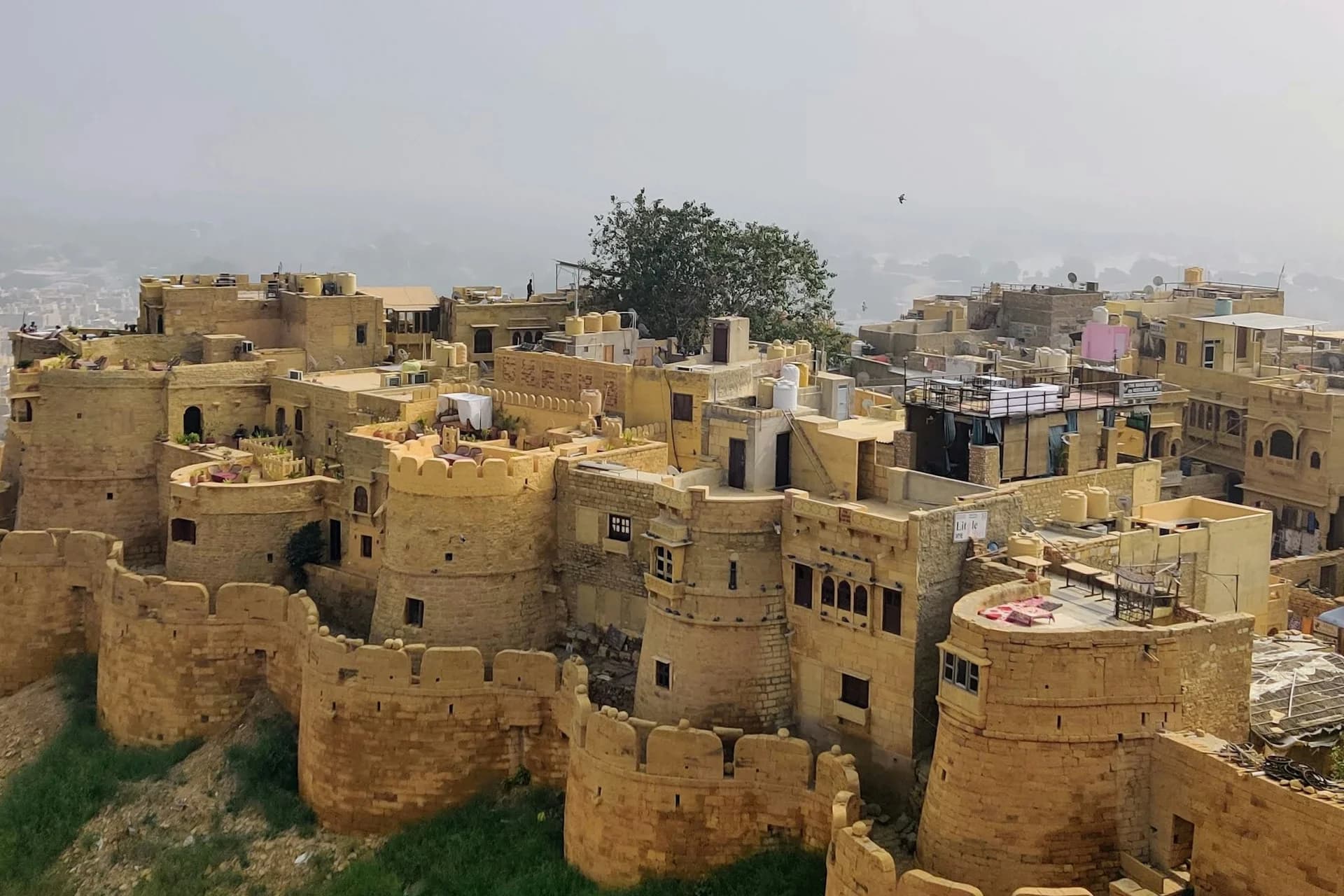
Jaisalmer is unlike any other city in India. Not because of its history (though 850 years of it lives in the fort walls). Not because of its location (the Thar Desert is one of the most inhospitable landscapes humans have chosen to inhabit). But because the entire city is built from the same golden-yellow sandstone, and at sunset, the buildings, the fort, the walls, the streets — everything — turns the color of liquid gold.
They call it Sonar Qila — the Golden Fort. They're not exaggerating.
Overview
Jaisalmer sits in the western Thar Desert of Rajasthan, 575km from Jaipur and about 100km from the Pakistan border. Population: 78,000. The city exists because of the Silk Road — it was a critical trading post between India and Central Asia for centuries. When sea routes replaced overland trade, Jaisalmer declined into obscurity. Tourism brought it back.
The star attraction is Jaisalmer Fort — one of the few "living forts" in the world, with about 3,000 people still living inside its walls. Shops, restaurants, guesthouses, and temples operate within the fort alongside residential homes.
Best Time to Visit
October to March — the only reasonable window. Winter days are comfortable (15-25°C) and nights are cold (5-10°C, dropping to 2-3°C in December-January in the desert). The Desert Festival (usually February) features camel races, folk music, and turban-tying competitions.
April to June — dangerously hot. Temperatures reach 45-48°C. The sandstone radiates stored heat at night. Don't.
July to September — monsoon. Jaisalmer gets very little rain (under 20cm/year), but the occasional downpour creates flash flooding in desert channels. The heat drops slightly but humidity rises.
Getting There
By Train: The most common approach. The Delhi-Jaisalmer Express (14660) takes about 18 hours from Delhi (Sleeper class: 450 INR / $5.40, AC 3-Tier: 1,200 INR / $14.40). The Jodhpur-Jaisalmer Express (14810) takes 5.5 hours (Sleeper: 200 INR / $2.40). Book on IRCTC at least 2 weeks ahead.
By Air: Jaisalmer Airport (JSA) has limited flights — mostly from Delhi and Jaipur on IndiGo and SpiceJet. Flights are infrequent and often cancelled. Check schedules carefully. The airport is 17km from the city — taxi 300-400 INR ($3.60-4.80).
By Road: From Jodhpur (285km, 5 hours by car). From Jaipur (575km, 9-10 hours). From Udaipur (530km, 8-9 hours). Hiring a private driver from Jodhpur: 3,000-4,000 INR ($36-48) one way.
Where to Stay
Inside the Fort: The most atmospheric option. Guesthouses in ancient havelis with rooftop views. Hotel Killa Bhawan (from 2,500 INR / $30) has hand-carved sandstone rooms. Desert Boy's Guesthouse (from 600 INR / $7.20) is the backpacker favorite.
Controvery note: staying inside the fort contributes to the structural stress on the ancient walls. Water usage and waste management strain the 850-year-old drainage system. UNESCO has raised concerns. If this matters to you, stay outside the fort.
Outside the Fort: Hotel Helsinki (from 1,200 INR / $14.40) has a rooftop with fort views. Hotel Gorakh Haveli (from 1,800 INR / $21.60) is a converted merchant mansion. 1st Gate Hotel (from 5,000 INR / $60) is the upscale option with pool.
What to Do
Jaisalmer Fort: Free to enter (no ticket needed to walk the fort streets). The living fort has narrow lanes, Jain temples (12th-15th century, free entry, no photography inside), the Raj Mahal palace (100 INR / $1.20 entry), and dozens of craft shops. Allow 3-4 hours minimum.
The fort walls provide a panoramic walkway — start from the main gate (Ganesh Pol) and walk the ramparts. Sunrise from the eastern wall is quiet and spectacular.
Patwon Ki Haveli: The most elaborate haveli in Jaisalmer — five connected mansions built by a Jain trading family in the 1800s. The sandstone carving is impossibly detailed: jali (perforated screens), elephants, musicians, floral patterns. Entry: 100 INR ($1.20). The carvings are best photographed in morning light.
Salim Singh Ki Haveli: An unusual peacock-shaped roof and 38 balconies, each with different carvings. Entry: 100 INR ($1.20).
Nathmal Ki Haveli: Built by two brothers — the left half by one, the right half by the other. They're slightly asymmetrical, which makes the symmetry more interesting. Free to view from outside; interior viewing: 50 INR ($0.60).
Sam Sand Dunes: 42km west of Jaisalmer. The main desert experience: camel rides (500-1,000 INR / $6-12 for 1-2 hours), sand dune sunsets, and overnight camping — though the blinding-white salt flats of the Rann of Kutch offer a completely different face of the Indian desert if you have time to compare.
Desert camp packages (most popular): 1,500-5,000 INR ($18-60) per person per night including camel ride, dinner with Rajasthani folk music and dance, and tent accommodation. Budget camps are basic tents with mattresses. Luxury camps (The Serai, Suryagarh's desert camp) go up to 25,000 INR ($300) per night with attached bathrooms and four-poster beds — the same budget-to-luxury spread you'll find at the Bedouin dune camps of Oman's Wahiba Sands.
Desert Festival: Usually held in February (dates shift annually). Three days of camel races, folk performances, puppet shows, and the famous Mr. Desert competition (turban-tying and mustache contests). Free to attend. Check the Rajasthan Tourism website for exact dates — and if your trip misses it, Pushkar's November camel fair is Rajasthan's other great desert gathering.
Gadisar Lake: An artificial lake on the city's edge, built in the 14th century as Jaisalmer's only water source. Tilon Ki Pol gateway, decorated temples along the shore, and boat rides (50 INR / $0.60 for pedal boats). Best at sunset.
Kuldhara Abandoned Village: 18km from Jaisalmer. An entire Paliwal Brahmin village abandoned overnight in 1825 (local legend says the residents cursed the village as they left). The ruins — intact house walls, empty streets, a central temple — are atmospheric and slightly eerie, and if abandoned places pull at you, the ruined capital at Hampi is the same feeling at a vastly larger scale. Entry: 25 INR ($0.30). Go near sunset for the best light and fewest tourists.
Food
Dal Bati Churma: Rajasthan's signature dish. Baked wheat balls (bati) served with spicy dal and sweet churma (crushed bati mixed with ghee and sugar). Every restaurant in Jaisalmer serves it. A plate costs 150-250 INR ($1.80-3).
Ker Sangri: Desert vegetable dish made from dried berries and beans — unique to the Thar region. Tangy, spicy, and completely unlike anything else in Indian cuisine. 100-180 INR ($1.20-2.16).
Laal Maas: Fiery red mutton curry. Not for the faint-hearted — the red chili content is aggressive. 200-350 INR ($2.40-4.20).
Rooftop Restaurants: Almost every hotel inside and near the fort has a rooftop restaurant. Jaisal Italy (yes, Italian food in a desert fort) is surprisingly good — pasta 200-350 INR ($2.40-4.20). The fort views from the rooftop are the real menu.
Budget
| Category | Budget | Mid-Range |
|---|---|---|
| Accommodation | 500-1,200 INR ($6-14.40) | 2,000-5,000 INR ($24-60) |
| Food | 200-500 INR ($2.40-6) | 500-1,200 INR ($6-14.40) |
| Desert camp | 1,500-2,500 INR ($18-30) | 5,000-15,000 INR ($60-180) |
| Transport | 100-300 INR ($1.20-3.60) | 500-1,500 INR ($6-18) |
| Activities | 200-500 INR ($2.40-6) | 500-2,000 INR ($6-24) |
| Daily Total | $12-30 | $50-150 |
Jaisalmer is one of the cheapest tourist destinations in Rajasthan.
Safety
Jaisalmer is safe. The main concerns are heat-related (carry water always, wear a hat, and don't underestimate the desert sun) and the quality of desert camp operators. Book through your hotel or reputable operators — some budget camps have been reported as poorly maintained with inadequate sanitation.
Useful Phrases
| English | Hindi/Rajasthani |
|---|---|
| Hello | Namaste / Khamma Ghani (Rajasthani) |
| Thank you | Dhanyavaad |
| How much? | Kitne ka hai? |
| Too expensive | Bahut mehnga hai |
| Water | Paani |
The Bottom Line
Jaisalmer rewards the patient. The fort isn't just a monument — it's a neighborhood where people live, work, and argue about cricket in 850-year-old buildings. The desert isn't just sand — it's a culture of survival, music, and hospitality forged over centuries of Silk Road trading, the same caravan network that raised walled oasis cities like Khiva far to the northwest.
Spend three nights minimum. One for the fort and havelis, one for the desert camp, one for everything you missed — and when you're ready to trade the dunes for water, our Alleppey houseboat guide makes a fine next stop. And watch the sunset from the fort walls at least once. When that golden sandstone catches the last light, you'll understand the name.