Manali in Winter: Snow, Solang Skiing, and the Mountain Town That Refuses to Hibernate
Manali in Winter: Snow, Solang Skiing, and the Mountain Town That Refuses to Hibernate
Summer Manali is green valleys and river rafting. Winter Manali is a different beast entirely — snow-covered peaks, frozen waterfalls, skiing at Solang, and the kind of cold that sharpens every breath into something you'll remember.
Come in January, and here's what you need to know.
The Weather Reality
Manali sits at 2,050 meters. In winter (December-February), temperatures range from -7°C at night to 8°C during the day. That's the town. At Rohtang Pass (closed in winter) and Solang Valley (2,560m), it gets significantly colder — easily -15°C.
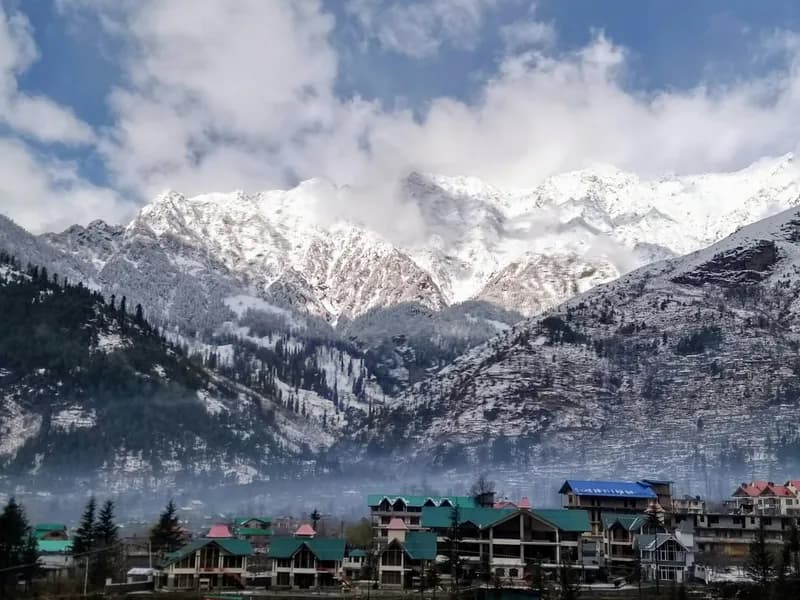
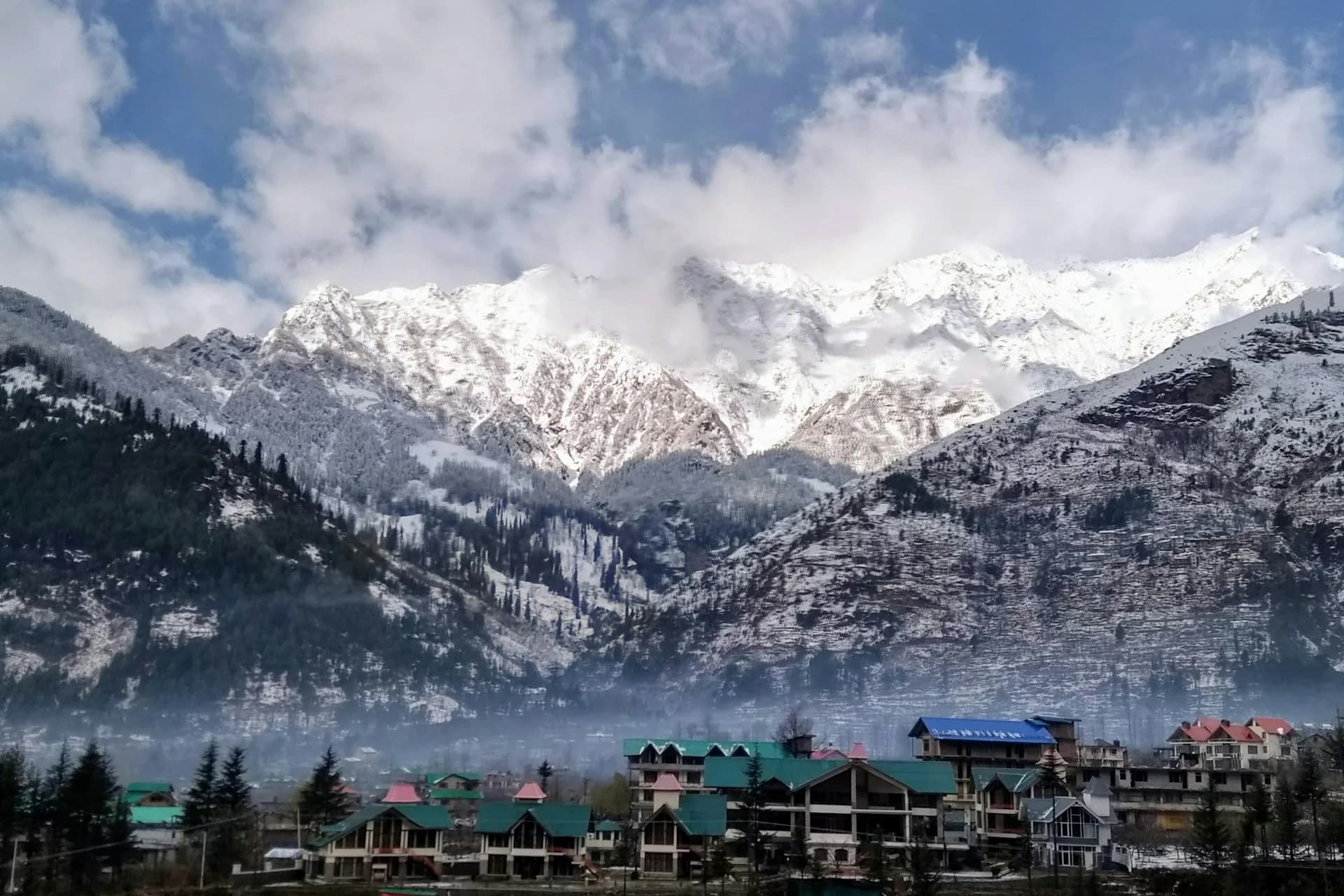
Snowfall in Manali town isn't guaranteed every year. The town gets proper snow maybe 5-10 times per winter. Solang Valley, being higher, is more reliable. When it snows in Manali town — the pine trees frosted, the Beas River banks white, the cafes lit up against all that white — it's pure magic.
Here's the honest part: between snowfalls, winter Manali can turn gray, cold, and sleepy. Many Old Manali cafes close for the season. Arrive chasing snow that never falls, and the trip can feel flat.
Best strategy: Check weather forecasts 3-4 days before traveling. When a cold front is predicted, book immediately.
Solang Valley Skiing
Solang is Manali's winter sports hub, 14 km from town. The skiing is basic — this isn't Chamonix — but for India, it's one of the few legitimate ski experiences going.
- Ski gear rental: INR 500-1,000 per day
- Basic instruction: INR 500-1,500 for 1-2 hours
- Season: Late December to mid-February
- Level: Beginner to intermediate slopes
The ATI (Atal Bihari Vajpayee Institute of Mountaineering) runs affordable ski courses — a 7-day beginners course lands around INR 3,000-5,000 including equipment. Worth it if you're staying long enough.
Beyond skiing: snowboarding (same pricing as skiing), snow tubing (INR 300-500), and the cable car operates year-round (INR 500-800) with stunning snow-covered valley views in winter.
What's Open, What's Closed
Open:
- Hadimba Temple (the cedar forest looks incredible in snow)
- Vashisht hot springs (even better in winter — hot water, cold air)
- Most Mall Road restaurants and hotels
- Solang Valley (snow activities)
- Atal Tunnel (year-round)
Closed or restricted:
- Rohtang Pass (closed Oct-May due to snow)
- River rafting (season ends October)
- Many Old Manali cafes and guesthouses (seasonal closure)
- Jogini Falls trail (icy and dangerous)
- Most paragliding operators
Winter Packing Essentials
Pack right and winter Manali rewards you. Pack wrong and the cold wins. Get these on the list:
- Thermal base layer — top and bottom. Non-negotiable.
- Down jacket or heavy fleece — you'll live in it from 4 PM to 10 AM.
- Waterproof outer shell — snow and rain happen interchangeably.
- Waterproof boots — the slush in Manali town will destroy regular shoes.
- Gloves, wool cap, scarf — ears and fingers freeze first.
- Hand warmers — the chemical packet kind. Slip them into your gloves at Solang.
Most budget guesthouses have inadequate room heaters, so request extra blankets. Hot water may be limited to certain hours. Mid-range hotels (INR 2,000-4,000) generally have better heating.
Winter Food
Winter food in Manali is comfort food at its best.
Thukpa — hot Tibetan noodle soup. Available at every dhaba and cafe. INR 80-120. The perfect cold-weather meal.
Sidu — traditional Himachali steamed bread stuffed with poppy seeds or walnuts. Found at local dhabas. INR 50-80.
Chai from the street vendors — the aluminum kettle chai from roadside stalls, served in disposable clay cups, tastes objectively better at -3°C. INR 15-20.
Hot chocolate at cafe culture joints — Lazy Dog and Johnson's Cafe (if open) serve decent hot chocolate. INR 150-250.
Winter Pricing
Counterintuitively, winter Manali is NOT always cheaper. December 20 - January 5 (Christmas/New Year plus the school winter break) is peak season with peak prices. Room rates can DOUBLE during this window.
| Category | Non-Peak Winter | Christmas/New Year |
|---|---|---|
| Budget stay | INR 400-800 | INR 1,000-2,000 |
| Mid-range | INR 1,500-3,000 | INR 4,000-8,000 |
| Solang taxi | INR 1,500-2,000 | INR 2,500-3,500 |
The real sweet spot is mid-January to mid-February — after the holiday rush, snow is still likely, prices drop 40-50%, and Solang is far less crowded.
Day-by-Day Winter Itinerary
Day 1: Arrive by overnight bus from Delhi (INR 1,200-1,800). Check into a hotel with decent heating. Walk the Beas riverside. Cap the evening with hot chocolate.
Day 2: Solang Valley full day. Skiing, snowboarding, or snow play. Return by 4 PM.
Day 3: Hadimba Temple in the morning (gorgeous in snow). Afternoon at Vashisht hot springs (free, and the contrast of hot springs against cold air is unbeatable). Evening thukpa in Old Manali.
Day 4: Atal Tunnel day trip — drive to Sissu in the Lahaul Valley. The landscape turns stark and beautiful in winter. Lunch at a dhaba.
Day 5: Free morning. Mall Road shopping. Departure.
The Honest Verdict
The classic Himachal route pairs Manali with Shimla, the colonial hill station.
Manali is also the starting point for the legendary highway to Leh-Ladakh.
Winter Manali is beautiful, quiet, and genuinely cold. Time the snowfall right and it's one of the most photogenic experiences in India. Solang skiing is a blast for beginners, and Vashisht hot springs in freezing air is transcendent.
Want a day-by-day breakdown? Read our Manali travel journal.
It won't suit everyone, though. If you hate the cold, if you want the full cafe culture of Old Manali (many spots close for winter), or if you're counting on guaranteed snow — manage your expectations first.
Come in January. Pack your layers. Bring a good book for the evenings when the cold drives you indoors. And when it does snow — step outside at midnight and listen. The mountains in winter silence are the quietest sound on earth.