Seven Days in Manali: A Journal of Passes, Pancakes, and the Beas River at 3 AM
Seven Days in Manali: A Journal of Passes, Pancakes, and the Beas River at 3 AM
Day 1: The Overnight Bus
The Volvo out of Delhi's Kashmere Gate ISBT pulls away at 5 PM. INR 1,500 buys a semi-sleeper. The first six hours are pure highway monotony — Punjab flat, Haryana flat, the occasional dhaba stop to stretch your legs.
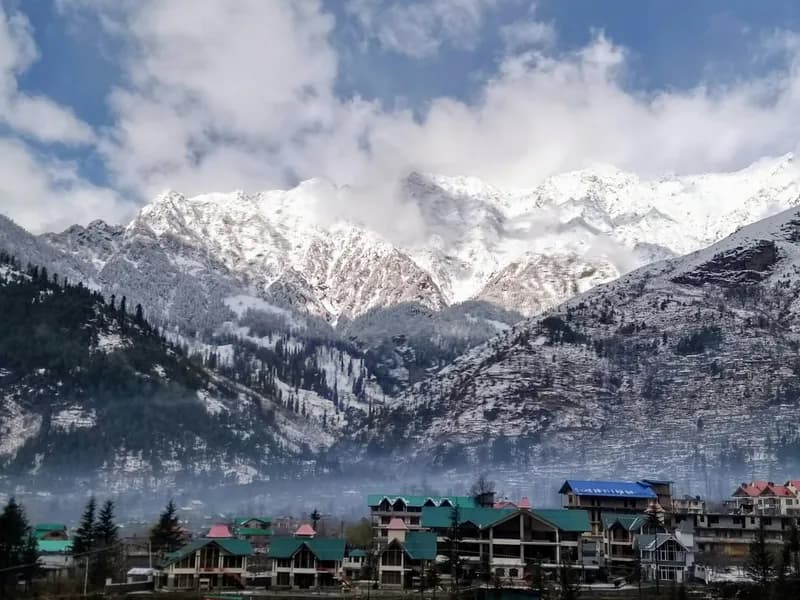
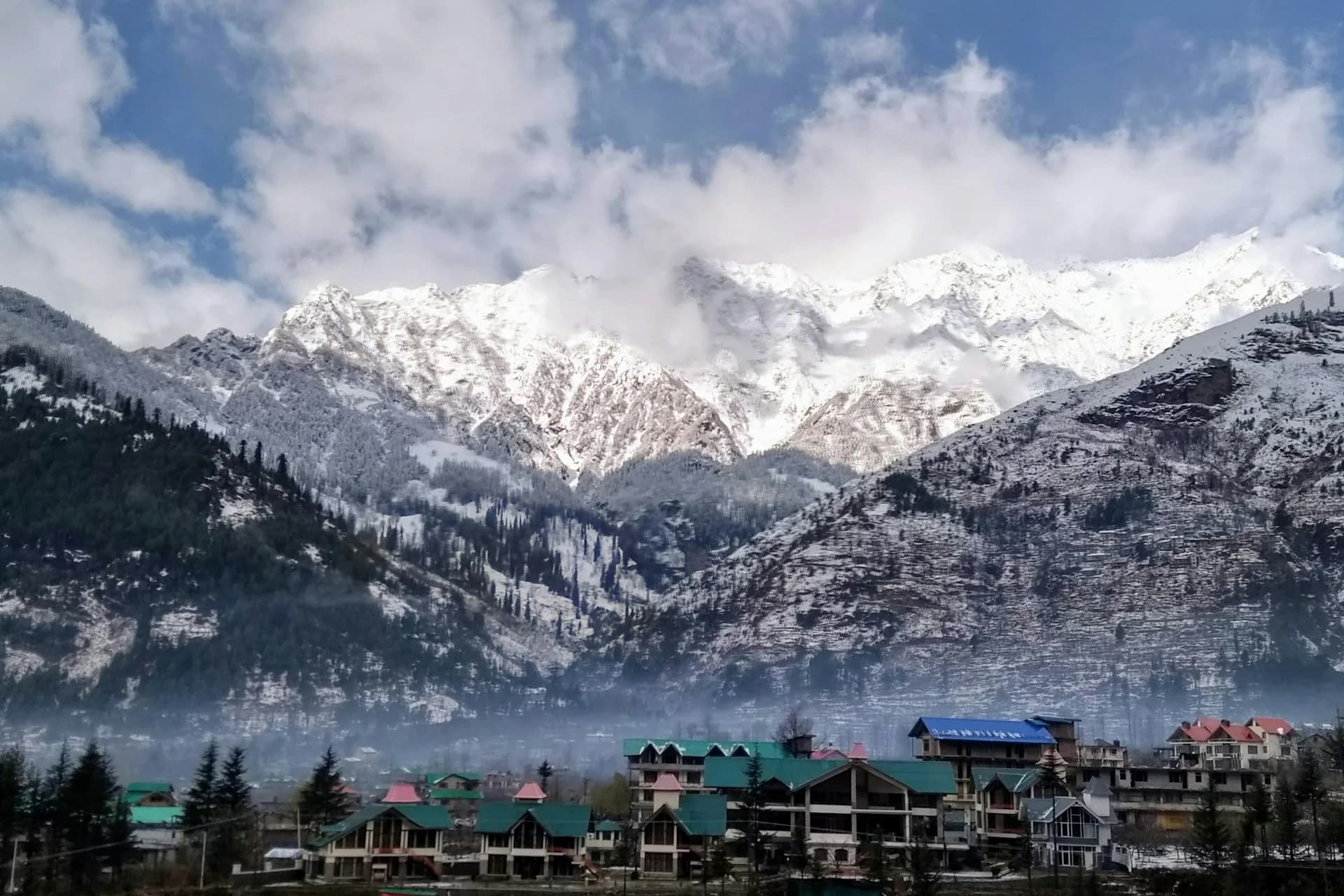
Then the climbing starts. Somewhere around midnight the bus begins winding up through the Kullu Valley. Wake at 3 AM and there are pine forests pressing against the window and a temperature drop you can feel through the glass. By 5 AM you're in Manali, stepping off into 12°C mountain air that smells like cedar and diesel and possibility.
Base yourself in Old Manali — a guesthouse at INR 800/night, basic but clean, with a balcony facing the Manalsu stream and the constant sound of rushing water. It's the kind of place you sleep until noon.
Day 2: Old Manali and the Hippie Trail
Old Manali sits 3 km uphill from Mall Road, and it's a different world. The main lane is lined with cafes named things like Lazy Dog, Drifters, and Bob Dylan's. Israeli bakeries serve shakshuka next to Himachali dhabas serving rajma chawal. Backpackers fold themselves into hammock chairs with Kerouac. It's a cliche, but it's a functioning cliche, and it works on you fast.
Start with breakfast at Lazy Dog — banana pancakes and coffee, INR 200. The pancakes are exactly what you'd hope for from a place called Lazy Dog. Which is to say: good.
Wander the village behind Old Manali — apple orchards, stone houses, a small temple strung with prayer flags. The path eventually climbs toward Jogini Falls, though there's no rush to reach it today. Save that for later in the week.
Spend the afternoon at Hadimba Temple. The 1553 cave temple stands in a cedar forest, its four-story pagoda roof unlike any temple architecture you'll have seen. Entry is free. The carved wooden doorway is extraordinary — animals, dancers, and Hindu deities worked into wood that's survived 470 years. Watch for monkeys. They'll watch back.
Close the day at Drifters — live acoustic music, dal makhani, two beers, INR 500. Then the walk back to the guesthouse under more stars than you've counted in years.
Day 3: Solang Valley
Hire a taxi for the day — INR 2,000 for the Solang Valley circuit. Solang lies 14 km from Manali, an adventure sports hub that looks like a ski resort had a baby with a carnival.
Paragliding runs INR 2,500 for a tandem flight. The launch is terrifying. The flight is eight minutes of absolute silence above the valley, the Beas River a silver thread below. The landing is graceless. You'll want to do it 100 more times.
Zorbing — rolling downhill inside an inflatable ball — costs INR 500 and lasts 90 seconds that feel like 90 years. Fun in a vertigo-inducing way.
The cable car to the hilltop is INR 600, and the panoramic views of snow-capped peaks earn every rupee for the photos alone.
You can be back in Manali by 4 PM, ready for a crash-nap and an evening walk along the Beas River — glacier-fed water, ice-blue and roaring. Find a rock, sit, and think about nothing for an hour.
Day 4: Rohtang Pass
The big one. Rohtang Pass at 3,978 meters. Apply for the permit online at least two days ahead (rohtangpermits.nic.in, INR 550/person). Only 1,200 vehicles are allowed per day, so apply early.
Leave at 7 AM. The drive up takes 3.5 hours — the road is decent until the last 20 km, then it's potholes and military trucks. Altitude begins to register around 3,500m: a dull headache, slight breathlessness.
At the top: snow. In May. The pass runs white in every direction. Rent snow boots and a jumpsuit for INR 400 from one of the dozens of vendors up there. Pack a snowball. Throw it at nothing. Feel unreasonably happy.
The views of the Lahaul Valley on the far side are staggering — brown and barren, completely different from the green Kullu side. It's as if the mountain draws a line between two worlds.
Back in Manali by 5 PM, spent. A ginger-lemon-honey at a cafe, and sleep by 8 PM.
Day 5: Rest Day and the Beas at 3 AM
Sleep until 10 AM. After Rohtang, your body earns the break.
Lunch at a dhaba on Mall Road — rajma chawal and roti, INR 120. Simple and exactly right.
Spend the afternoon at the Vashisht hot springs — natural sulfur springs inside a temple complex, 3 km from Manali, free entry. The water runs genuinely hot and faintly sulfurous, shared with local families and a handful of other backpackers. The ancient temple above the springs is worth the trip on its own.
When sleep won't come, walk down to the Beas River at 3 AM. There's a good chance you'll find someone else on the same rocks — a fellow traveler, a cigarette, the water. Conversations here run for two hours about nothing and everything: where people come from, why they leave, what home even means once you've been away too long.
The Beas at 3 AM sounds different than at 3 PM. Louder, somehow. Or maybe the world is just quieter.
Day 6: Jogini Falls and Atal Tunnel
Trek to Jogini Falls from Vashisht in the morning. It's 3 km uphill through forest — 1.5 hours up, 45 minutes down, moderate difficulty if you're reasonably fit. Wear proper shoes; the trail gets rocky and this is non-negotiable. The falls cascade 150 feet into a natural pool. September–October is when they run at full flow; even in May, they impress.
Drive through the Atal Tunnel in the afternoon — the world's longest highway tunnel above 10,000 feet. 9.02 km, completed in 2020, free to drive through. You emerge on the other side into the Lahaul-Spiti Valley. Stop at Sissu village for chai and the Sissu waterfall. The landscape on this side is lunar — dry, vast, ancient.
Then drive back through the tunnel. The transition from Lahaul's barren mountains to Manali's green valley happens in exactly 9 kilometers — two different planets connected by a concrete tube.
Day 7: Last Morning
Banana pancakes again at Lazy Dog. Pack the bag. Take one last walk through Old Manali, past the cafes and the stream and the apple orchards.
Then the 5 PM Volvo back to Delhi. Fourteen hours in a bus seat — and somehow you won't mind. Your head is still in the mountains.
Would You Go Back?
You will. Once Manali gets into you, a return trip is only a matter of when.
The classic Himachal route pairs Manali with Shimla, the colonial hill station.
Manali is also the starting point for the legendary highway to Leh-Ladakh.
Manali isn't the prettiest mountain town — Kasol takes that. It isn't the most culturally rich — Dharamsala wins there. It isn't the most adventurous — Leh-Ladakh has it beat. But it's the most complete: adventure, hippie culture, natural beauty, hot springs, and that indefinable mountain energy that makes you question every decision you've made at sea level.
For more practical details, check out our complete guide to Manali.
The Beas at 3 AM is still flowing. The pancakes at Lazy Dog are still INR 200. And Rohtang Pass still doesn't care about your problems.
That's exactly why you go.