Top 10 Things to Do in Salzburg Beyond the Sound of Music
Top 10 Things to Do in Salzburg Beyond the Sound of Music
Look, I get it. You're going to Salzburg and the first thing that comes to mind is Julie Andrews spinning on a mountaintop. Fair enough. The Sound of Music was filmed here and the tour is legitimately fun.
But Salzburg is so much more than one movie from 1965. This is Mozart's birthplace, a UNESCO World Heritage city with one of Europe's largest medieval fortresses, trick fountains designed to soak unsuspecting guests, and Alpine peaks you can summit before lunch. Here's what actually deserves your time.
1. Climb (or Ride) to Hohensalzburg Fortress
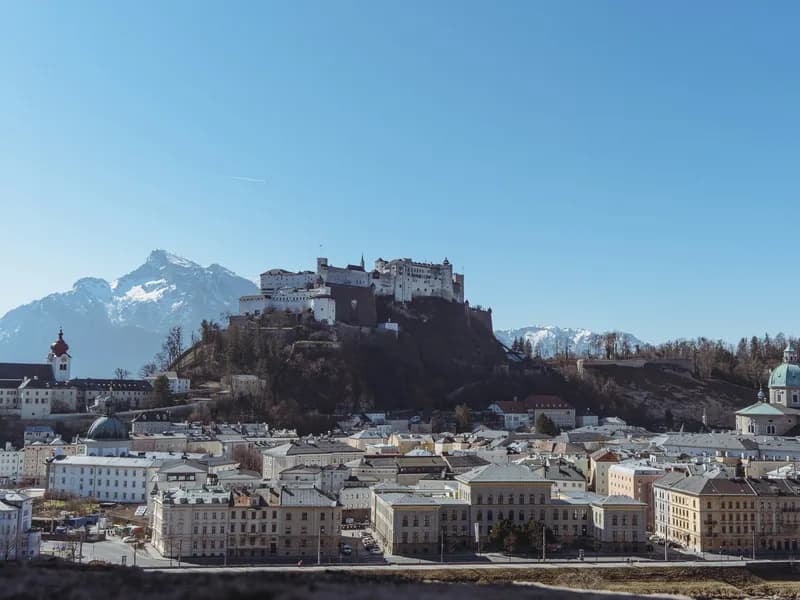
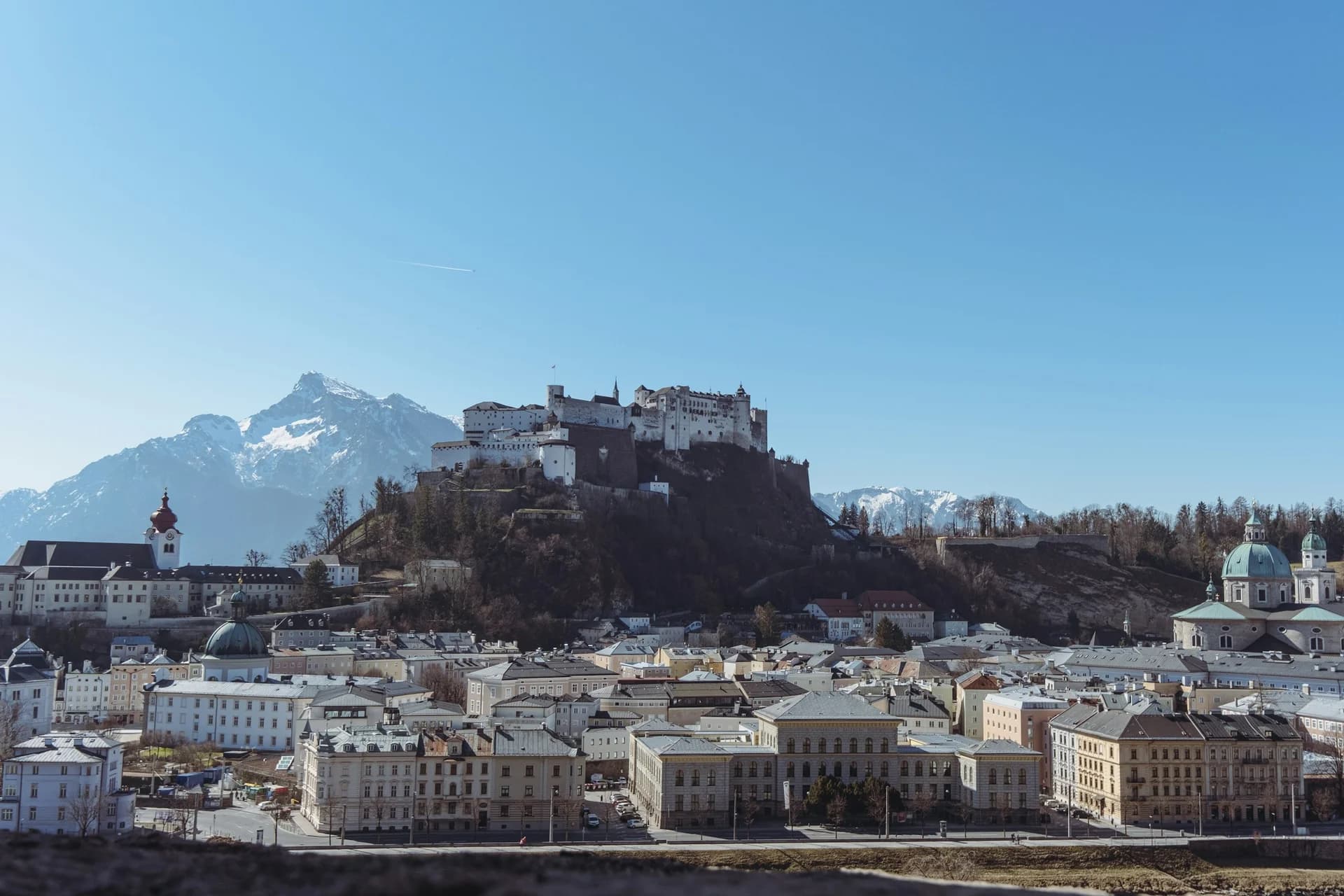
This is the one you can't skip. Perched 120 meters above the old town, Hohensalzburg is one of the largest and best-preserved medieval castles in Europe. The views from the ramparts are the kind that make you understand why someone built a fortress here in the first place — the entire Salzburg basin spreads below, with the Alps rising behind.
You can walk up in 20 minutes or take the funicular (included in the €16.30 entry fee with audio guide). The fortress itself has several museums inside — the medieval prince's chambers, a marionette museum, and a torture chamber display that's grimly fascinating.
Open daily 9AM-5PM (until 7PM in summer). Allow 2 hours. Get there early — by noon in summer, the funicular line stretches 20 minutes.
Pro Tip: The walk up from Festungsgasse is more interesting than the funicular. You pass through fortified gates and get progressively better views. Save the funicular for the way down when your legs are tired.
2. Wander Getreidegasse (But Look Up)
Salzburg's most famous shopping street is a narrow medieval lane where every shop has an ornate wrought-iron guild sign hanging above its door. H&M has one. McDonald's has one. Even the pharmacies hang elaborate iron signs in the traditional style.
Most people walk straight through staring at shop windows. The real move is to duck into the Durchhäuser — narrow connecting passages that lead to hidden courtyards, workshops, and tiny cafés behind the main street. Mozart's Birthplace is at Getreidegasse 9 (€14 entry), but the building's context — a working commercial street where a family lived above the noise — is more interesting than the exhibits inside.
Free to explore. Allow 1 hour.
3. Get Sprayed at Hellbrunn Palace
Archbishop Markus Sittikus built this 17th-century pleasure palace specifically to mess with his dinner guests. The trick fountains — hidden jets in outdoor dining tables, surprise sprays from garden statues, a water-powered mechanical theater — are essentially a 400-year-old prank that still works.
The guided fountain tour is mandatory (you can't access them without it) and honestly hilarious. You will get wet. Wear clothes you don't mind getting damp. The palace gardens are free and the grounds include a stone gazebo featured in the Sound of Music.
Entry: €15.50 with fountain tour. Open daily April-October. Take bus 25 from the center (15 minutes). Allow 2 hours.
Pro Tip: Go on a hot day. The fountain sprays go from annoying to genuinely refreshing when it's 30°C.
4. Take the Untersberg Cable Car
Salzburg sits at the edge of the Alps. The Untersberg cable car takes you from 456m to 1,853m in 8 minutes — a vertical rise that transforms your view from city to full Alpine panorama. On clear days, you can see into Bavaria.
At the top, several hiking trails range from easy 30-minute loops to challenging multi-hour routes. The ice caves near the summit station are a cool (literally — it's near freezing up there) detour. Even if you don't hike, the terrace at the top with a beer and that view is worth the trip.
Cable car: €28 round trip. Runs July-October, weather dependent. 25 minutes from Salzburg by bus 25. Allow half a day.
Pro Tip: Check the webcam on the Untersberg website before going. Fog can roll in fast and turn a €28 ticket into a white wall. Mornings are generally clearest.
5. Morning at the Grünmarkt (Green Market)
The farmer's market at Universitätsplatz runs Monday to Saturday mornings, and it's where actual Salzburg residents buy their food. Local cheese, fresh bread, sausages, flowers, and — critically — apple strudel from the market stalls.
A full lunch assembled from market vendors costs €6-10, versus €15-25 at the sit-down restaurants ten steps away. The bratwurst with mustard and a semmel (bread roll) for €4 is the move.
Free entry. Best visited 8-11AM. The market thins out by noon.
Pro Tip: The cheese vendors offer tastings. The aged Bergkäse (mountain cheese) from local Alpine dairies is some of the best cheese I've eaten in Austria.
6. Tour Stiegl-Brauwelt
Austria's largest private brewery offers a self-guided museum tour through 500 years of brewing history, ending with two beer tastings included in the €15 entry fee. The museum is genuinely well-done — not just a marketing exercise — with old brewing equipment, the history of beer in Austrian culture, and a rooftop terrace.
The restaurant serves traditional Austrian food paired with their beers. A Stiegl Goldbräu with Wiener schnitzel on the terrace is a very good way to spend an afternoon.
10 minutes by bus from the center. Open daily 10AM-5PM. Allow 1.5 hours.
Pro Tip: The Stiegl Paracelsus Bio-Zwickl (organic unfiltered) is only available on draft at the brewery. It's the best thing they make.
7. Mirabell Palace Gardens at Sunrise
Everyone visits Mirabell Gardens — it's where the "Do-Re-Mi" scene was filmed, and the Pegasus Fountain and Dwarf Garden are genuine curiosities. But most people come at midday when it's packed with tour groups recreating movie scenes.
Come at 6AM instead. The gardens open at 6, and in summer the dawn light turns the Baroque flower beds gold. The view toward Hohensalzburg Fortress from the steps of the Marble Hall is the postcard shot of Salzburg, and at sunrise you'll have it to yourself.
The Marble Hall inside the palace hosts daily classical concerts — check the schedule at the tourist office. Gardens are free.
Pro Tip: The Dwarf Garden (Zwergelgarten) on the west side is bizarre and undervisited. Seventeen marble dwarfs from the 18th century with exaggerated features. It's strange and charming.
8. Day Trip to Berchtesgaden
Berchtesgaden is just across the German border, 30 minutes by bus (RVO 840, €5 each way). Three attractions justify the trip:
- Eagle's Nest (Kehlsteinhaus): Hitler's mountaintop retreat at 1,834m. The bus up a mountain road with 5 tunnels and a brass-lined elevator blasted into rock is an experience in itself. The views are staggering. Open mid-May to October.
- Königssee: A pristine Alpine lake with electric boat tours to St. Bartholomä church. The water is so clear it looks artificial.
- Salt Mines: 2.5-hour underground tours with mine railways and an underground lake.
Your Schengen visa covers the border crossing. Restaurants in Berchtesgaden are significantly cheaper than Salzburg's old town.
Pro Tip: Do the Eagle's Nest first (it opens at 9AM), then Königssee in the afternoon. Trying to do all three in one day is rushed.
9. Evening Concert at the Salzburg Festival Venues
Salzburg's music scene didn't stop with Mozart. The Salzburg Festival runs July-August and is one of the world's premier classical music events (tickets from €30 to €400+), but year-round concerts happen at the Mozarteum, the Marble Hall in Mirabell Palace, and the Fortress Concert Hall inside Hohensalzburg.
Fortress concerts (€35-60, including funicular and a drink) are particularly atmospheric — chamber music performed in a medieval hall with views of the city below. The acoustics are surprisingly good.
Pro Tip: The Mozartwoche (Mozart Week) in late January is smaller, cheaper, and attracts serious music lovers instead of social-calendar types.
10. Get Lost in the New Town (Neustadt)
Most tourists never cross the river. Their loss. The right bank of the Salzach has Mozart's Residence (where he lived as an adult, €14 entry), Steingasse — a narrow medieval lane that was the original trade route — and the Kapuzinerberg hill, which you can climb for free for views of the old town that rival the fortress.
Linzergasse is the shopping street locals actually use. Fewer tourists, better prices, and a row of traditional Gasthaus restaurants serving schnitzel and beer at €12-16 per meal instead of the old town's €18-24.
Pro Tip: The Augustiner Bräustübl in the Mülln neighborhood is a massive beer hall run by Augustinian monks. You grab a stone mug, fill it from the barrel, and sit in the beer garden or the cavernous indoor halls. A half-liter costs about €4. It's the most authentically Austrian beer experience in Salzburg.
The One More Thing
Yes, do the Sound of Music tour if you want to. Panorama Tours and Fräulein Maria's are the main operators — 4 hours, from €55/person. It's cheesy. The guides sing. You visit filming locations including the gazebo at Hellbrunn and the Mondsee wedding church. And honestly? It's fun. Just don't let it be the only thing you do in a city that has this much to offer.
Salzburg earned its UNESCO status. The fortress, the Baroque architecture, the music, the food, the Alps at the doorstep — it's one of those rare places where the tourist reputation is justified and the depth goes further than the brochures suggest.
Bring comfortable shoes, get the Salzburg Card (€31/24hrs — covers everything), and give it at least three days.
If Salzburg's Alpine scenery leaves you wanting more, Lucerne offers Swiss mountains with lake steamer cruises. For a different Austrian experience, Vienna is just 2.5 hours by train. And our Salzburg local interview reveals insider spots most visitors miss.