12 Best Things to Do in Lamu, Kenya: From Dhow Sails to Rooftop Sundowners
12 Best Things to Do in Lamu, Kenya: From Dhow Sails to Rooftop Sundowners
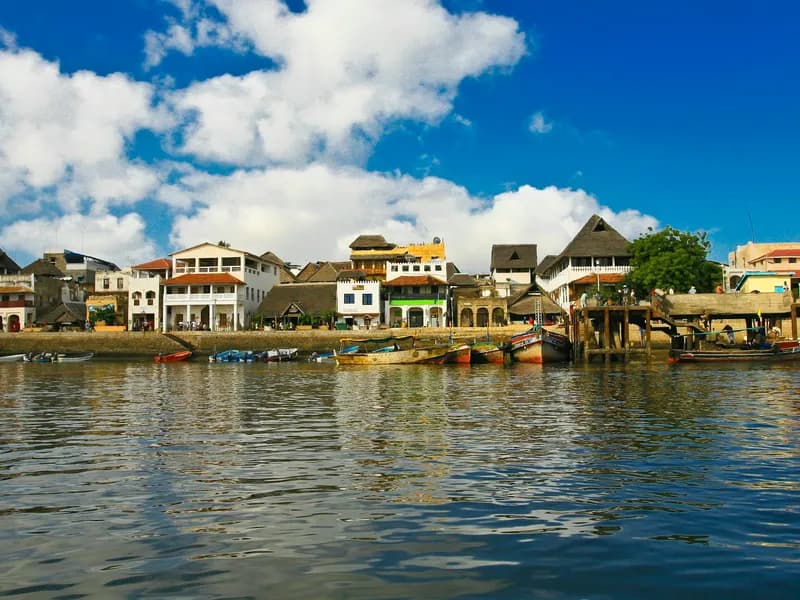
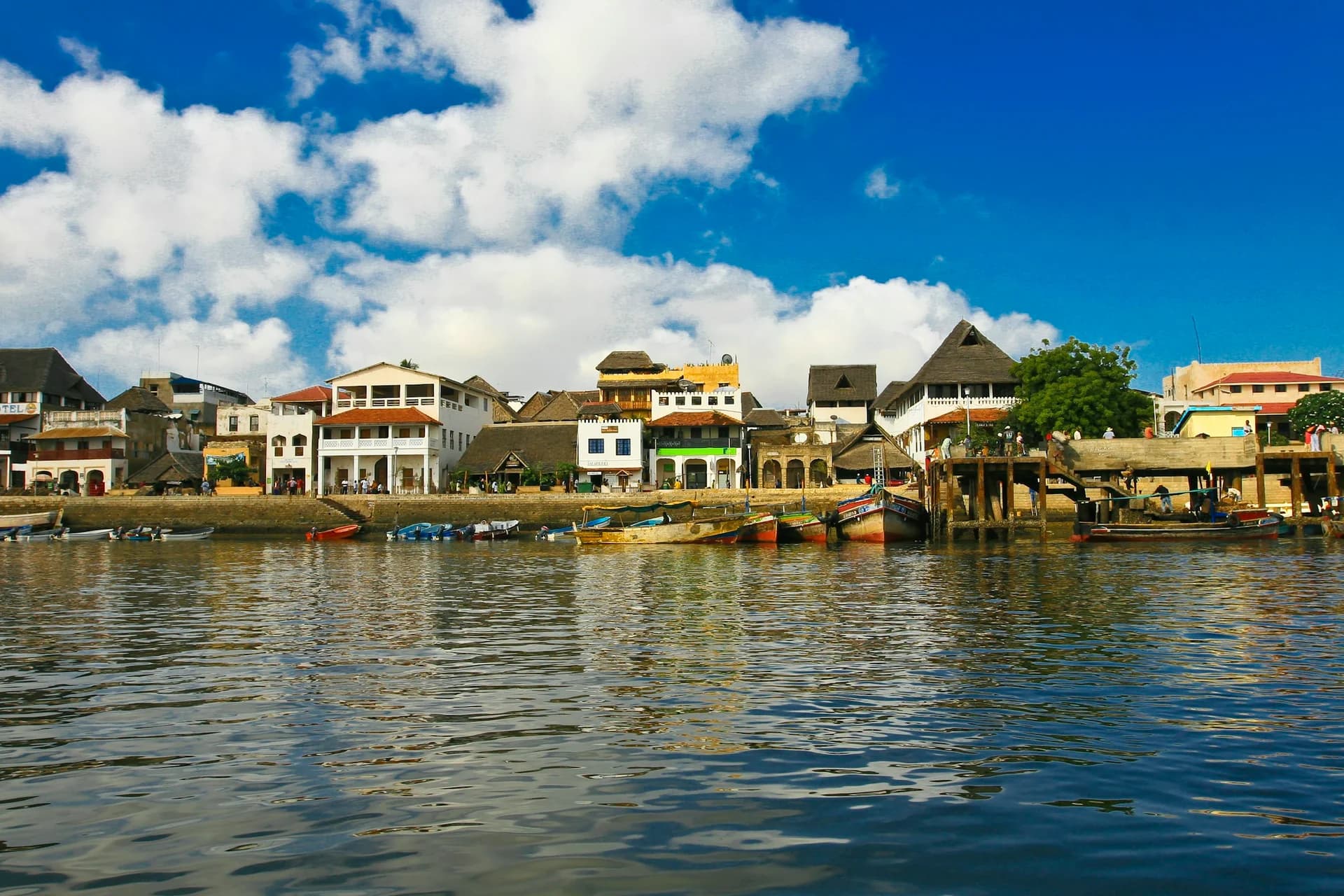
Lamu doesn't rush. It can't — there are no cars on the island, just donkeys, dhows, and a maze of coral-stone alleys that have looked more or less the same for 700 years. You fly in by small plane to Manda Airport, cross the channel by boat, and step onto a seafront where the modern world quietly falls away. What follows isn't a to-do list you'll race through. It's how to spend slow, sun-warmed days on Kenya's most characterful island, ranked by what you'll actually remember.
1. Sail a sunset dhow off the seafront
Start here. The hand-built wooden dhow, with its single triangular sail, is the island's signature, and a two-hour sunset cruise runs about KES 2,500–3,500 (roughly $18–27) per person — often with a fresh-grilled fish thrown in. Don't book through your hotel's front desk. Walk the Old Town waterfront in the morning and deal directly with a captain. The local legends go by names like Monkey, Diamond, and Ali, and the price drops fast for a group of four. Agree the route, the timing, and whether snorkeling is included before you push off, and you'll have zero surprises.
2. Get lost on purpose in Lamu Old Town
Lamu Old Town is a UNESCO World Heritage Site and the oldest continuously inhabited Swahili settlement in East Africa. So put the map away. The alleys are barely two donkeys wide, and half the reward is rounding a corner to find a carved wooden door older than most countries. Look up for the fretwork plaster and Zanzibari balconies; look down so a passing donkey doesn't clip your shins. Give it a full morning with no agenda — that's the only way to do it right.
3. Climb through Lamu Fort
Squatting over the main square, Lamu Fort was completed around 1821 by the Sultan of Pate and has served as a garrison, a prison, and now a small museum. Entry is about KES 500 ($4). The exhibits are modest, but the reason to go is the rooftop: you get a clean view over the tiled roofs, the square below, and the channel beyond. Time it for late afternoon when the light turns the whole town gold.
4. Slow down at the Lamu Museum
Right on the waterfront, the Lamu Museum (part of National Museums of Kenya, around KES 500 entry) is the single best hour you can spend understanding what you're looking at. Two ceremonial siwa horns — one ivory, one brass, both centuries old — are the standout pieces. You'll leave knowing why the doors are carved the way they are and how the dhow trade tied this coast to Oman, India, and beyond. Do this early in your trip, not on your last day.
5. Spend a whole day at Shela Beach
About 40 minutes on foot south along the shoreline — or a five-minute boat hop — sits Shela village and the twelve-kilometer sweep of Shela Beach. This is the postcard: pale sand, dunes, and almost no one on it — the kind of empty, wind-sculpted shoreline you otherwise have to fly to Cape Verde to find. There are no loungers, no vendors, no jet skis. Bring water and shade, because there's little of either once you're past the village. The walk back along the water at low tide, past moored dhows, is worth timing for sunset.
6. Order an Old Pal at Peponi
Peponi Hotel in Shela has been the coast's most famous watering hole since 1967, and its terrace bar overlooking the channel is where you'll want to be at dusk. The house cocktail is the Old Pal — order one, claim a seat facing the water, and watch the dhows come in. It's not cheap by Lamu standards (cocktails run around KES 1,000+ / $8), but a sundowner here is one of those small ceremonies that make a trip. Peponi closes for the low season during the long rains (roughly May through July), so plan your sundowner for any other month.
7. Meet the residents of the Donkey Sanctuary
Donkeys are Lamu's engine — they haul everything, since nothing rolls on these alleys — and the Donkey Sanctuary on the waterfront, run by the UK-based charity, keeps the working animals healthy. Entry is free, mornings are best, and the staff are happy to explain how a town runs entirely on hooves. It's a quick, genuine stop that tells you more about daily life here than any monument.
8. Cross to Manda Island and the Takwa Ruins
Hire a boat for a half-day to Manda Island and walk the Takwa Ruins, a 16th-century Swahili town abandoned some 400 years ago. A guide will show you the Great Mosque with its unusual pillar and explain why the settlement was left to the forest. Pair it with a beach picnic on Manda's quieter shores. Expect to pay around KES 3,000–5,000 ($22–38) for the boat, split between your group.
9. Eat your way through Swahili cooking
The food here is coconut, tamarind, and the day's catch. Order samaki wa nazi (fish in coconut curry), Swahili biryani, and grilled kingfish, and start mornings with mahamri — light, cardamom-scented coconut doughnuts — and spiced chai. Whispers Coffee Shop, tucked in a leafy courtyard in Old Town, does strong coffee and good cake when the heat gets heavy. In Shela, the Stopover Restaurant right on the water grills whatever the dhows brought in that morning. A full seafood plate rarely tops KES 800–1,200 ($6–9).
10. Time your trip to the Maulidi Festival
Once a year, Lamu erupts for Maulidi, the celebration of the Prophet Muhammad's birth, drawing pilgrims from across the region for dhow races, donkey races, poetry, and processions. The date follows the Islamic calendar and shifts earlier each year, so check ahead — but if your visit lines up, this is the island at its most alive. Book accommodation well in advance; rooms vanish during the festival.
11. Watch dhows being built at Matondoni
On the island's northwest side, the village of Matondoni is where the dhows are still made by hand, plank by plank, without a single power tool. Reach it by donkey, boat, or a hot walk across the island, and you'll find craftsmen shaping hulls the same way their grandfathers did. Arrange a boat for the return trip so you're not caught out by the tide. Bring cash, buy a coffee, and let someone show you the workshop.
12. Snorkel the sandbanks off Manda Toto
For clear water and coral, captains run snorkeling trips out to the reefs and sandbanks near Manda Toto Island. The best of these are full-day dhow sails — swim over the reef, then anchor at a sandbank that only exists at low tide for a barefoot seafood lunch, the same castaway magic you'll chase across the Indian Ocean in the Bazaruto Archipelago. Rates land around KES 4,000–6,000 ($30–46) per person including gear and food. Go on a calm-sea day; the captains will tell you honestly if it's worth it.
Pro Tips for Lamu
- Getting there: Fly from Nairobi Wilson to Manda Airport (Safarilink or Skyward Express run daily), then take the short public boat across the channel for about KES 100–150. There's no bridge and no need for one.
- Dress code: Lamu is a deeply Muslim community. Cover shoulders and knees in town, save the swimwear for the beach, and you'll be welcomed everywhere.
- Cash is king: ATMs are limited and unreliable, and most small vendors and captains want Kenyan Shillings in hand. Carry enough for the whole stay.
- Book porters, not stress: With no cars, your luggage travels by donkey or handcart from the jetty. Tip the porter a few hundred shillings and let them lead — those alleys are a puzzle on day one.
- Slow is the point: Don't try to cram all twelve of these into two days. Give Lamu three or four, and let the island set the pace — it's the ideal slow finale after the dust and adrenaline of a safari around Arusha. That's the whole reason to come.