
Why Gran Canaria Is Europe's Best Winter Escape (and How to Do It Right)
Why Gran Canaria Is Europe's Best Winter Escape (and How to Do It Right)
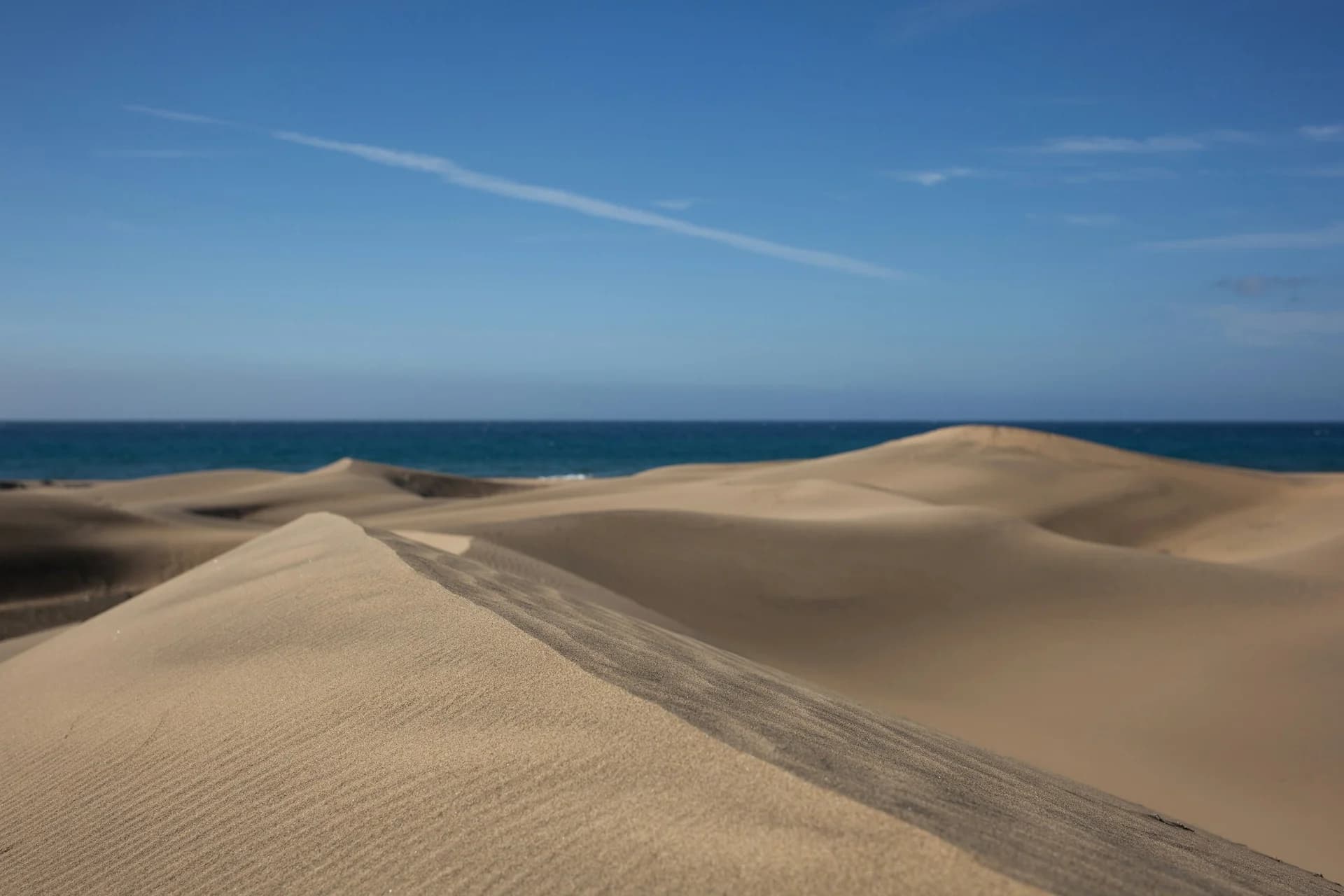
Picture this. It's January. Half of Europe is scraping ice off windscreens — and you're walking barefoot across the Maspalomas Dunes in a T-shirt, the Atlantic a warm blue smudge ahead, the temperature holding a steady 22°C like it does most of the year. That's the whole pitch for Gran Canaria in winter, and once you've done it once, you understand why northern Europeans book the same fortnight every single year.
The Canary Islands sit off the coast of northwest Africa, not the Spanish mainland, which is why they run on their own "eternal spring." Winter here isn't a season to survive. It's the reason to come.
Why Winter Is the Island's Strongest Hand
Most destinations sell you summer. Gran Canaria quietly sells you December through March — when it delivers exactly what the rest of Europe can't: reliable sun, swimmable sea, and daylight that actually feels like daylight.
The sunny south (Maspalomas, Playa del Inglés, Meloneras) is the winter engine. It's the driest, warmest corner of the island, sheltered from the cloud that sometimes gathers in the north. Base yourself down there in winter and you're buying the best odds of blue sky.
The Weather, Honestly
Expect daytime highs around 20-24°C from December to March, dropping to a mild 15-17°C after dark. The sea sits around 19-20°C — brisk on entry, fine once you're in, and warmer than anything in mainland Europe at that time of year.
Two honest notes. The subtropical sun is intense even when the air feels mild, so high-factor sunscreen isn't optional. And the wilder north and west coasts can throw up real Atlantic waves, so check the beach flag system (green safe, yellow caution, red no swimming) rather than trusting how it looks.
The Events Worth Timing Your Trip Around
Winter isn't just beach-and-repeat. Carnival is the island's wild card — Las Palmas de Gran Canaria throws one of Spain's biggest, usually across February into early March, with drag galas, street parties, and a costumed parade that takes over the capital for weeks. If you want the island at full voltage, aim for it. If you want quiet, aim around it.
Winter is also whale and dolphin season on the calm southwest. Boat trips leave from Puerto Rico marina to spot resident dolphins and, in season, pilot whales, for about €30-40 (US$32-43) per adult. Morning seas are calmest.
What to Pack
- Layers, not a winter coat. Shorts and tees by day, a light jacket or jumper for the evening.
- Real sunscreen. SPF 50, because the winter sun still bites.
- Swimwear and a light waterproof. You'll swim; the north might drizzle.
- Walking shoes. If you plan to head inland (and you should), the mountain trails are steep.
You are genuinely packing for spring, in January.
Where to Base Yourself in Winter
Base south — it's that simple in the cooler months. Maspalomas, Playa del Inglés, and Meloneras form the island's warm, dry, sun-sure corner, all linked by promenade and all within reach of the dunes. Playa del Inglés skews lively and budget-friendly; Meloneras is quieter and more upmarket; Maspalomas puts you closest to the lighthouse and the widest sand. Wherever you land down here, you're buying the best winter-weather odds on the island — and if you're still weighing resorts, our full rundown of common Gran Canaria questions breaks the choice down further. Save Las Palmas in the north for a day trip rather than a base — it catches more cloud.
Getting There and Getting Around
Winter is peak flight season from northern Europe, so lock in your fares early. On the ground, the Global bus network links the southern resorts to the capital cheaply (a Las Palmas–Maspalomas ride is about €6/US$6.50), but if you want the mountains — and Roque Nublo in crisp winter light is worth it — rent a car for a day or two. The roads climb fast and can turn cold and cloudy up top, so bring that jumper and start early before the peaks fog over.
What to Eat in the Cooler Months
Winter is when the island's mountain food makes most sense. Drive up to Tejeda, a whitewashed village voted one of Spain's prettiest, and warm up with a hearty Canarian plate at Restaurante Cueva de la Tea, then buy bienmesabe — a rich almond dessert — from Dulcería Nublo. Down on the coast, order papas arrugadas (wrinkled salt potatoes) with red and green mojo, fresh grilled fish, and a glass of local Listán wine.
One money tip that applies all year: the Canaries charge a low 7% IGIC sales tax instead of mainland Spain's 21% VAT, so dining, wine, and shopping run noticeably cheaper here.
Crowd Levels
Winter is high season for sun-seekers, so the southern resorts — Playa del Inglés, Maspalomas, Puerto Rico — fill up, especially over Christmas, New Year, and Carnival. Book those windows well ahead. But the island is big and varied enough that you can still find space: the mountainous interior stays quiet, and Las Palmas's huge Las Canteras city beach absorbs crowds easily.
For the sweet spot of warm sea and thinner crowds, the shoulder months of April-June and September-October edge it — but for pure winter-escape value, December to March is unbeatable.
A Sample Winter Week
Days 1-2 — Ease into the south. Base in Maspalomas. Walk the dunes to the 1890 lighthouse before 11AM while it's cool, then beach and promenade time in Meloneras.
Day 3 — Into the mountains. Rent a car and climb to Roque Nublo, the island's 80-metre sacred monolith at 1,813 m — a moderate 1.5 km trail, best done early before midday cloud (it tops our roundup of the island's best things to do). Lunch in Tejeda on the way back.
Day 4 — Boats and calm beaches. A morning dolphin-and-whale cruise from Puerto Rico, then a warm-water swim at the sheltered, man-made Playa de Amadores.
Day 5 — The capital. Drive north to Las Palmas for the Vegueta old town (Casa de Colón, ~€4/US$4.30) and an afternoon on Las Canteras beach, sheltered by its natural reef.
Day 6 — A crater and downtime. The Caldera de Bandama, a 1,000-metre-wide volcanic crater 10 km from the capital, then a free afternoon back at base.
Day 7 — One more swim. Because it's winter, and you can.
Come in winter and you get the version of Gran Canaria that Europe keeps coming back for: a "miniature continent" of dunes, peaks, and beaches, warm enough to swim, cheap enough to relax, and sunny while the rest of the continent shivers. Book the flights for January. Thank yourself in February.


