
Gran Canaria, Answered: 18 Questions Before You Book
Gran Canaria, Answered: 18 Questions Before You Book
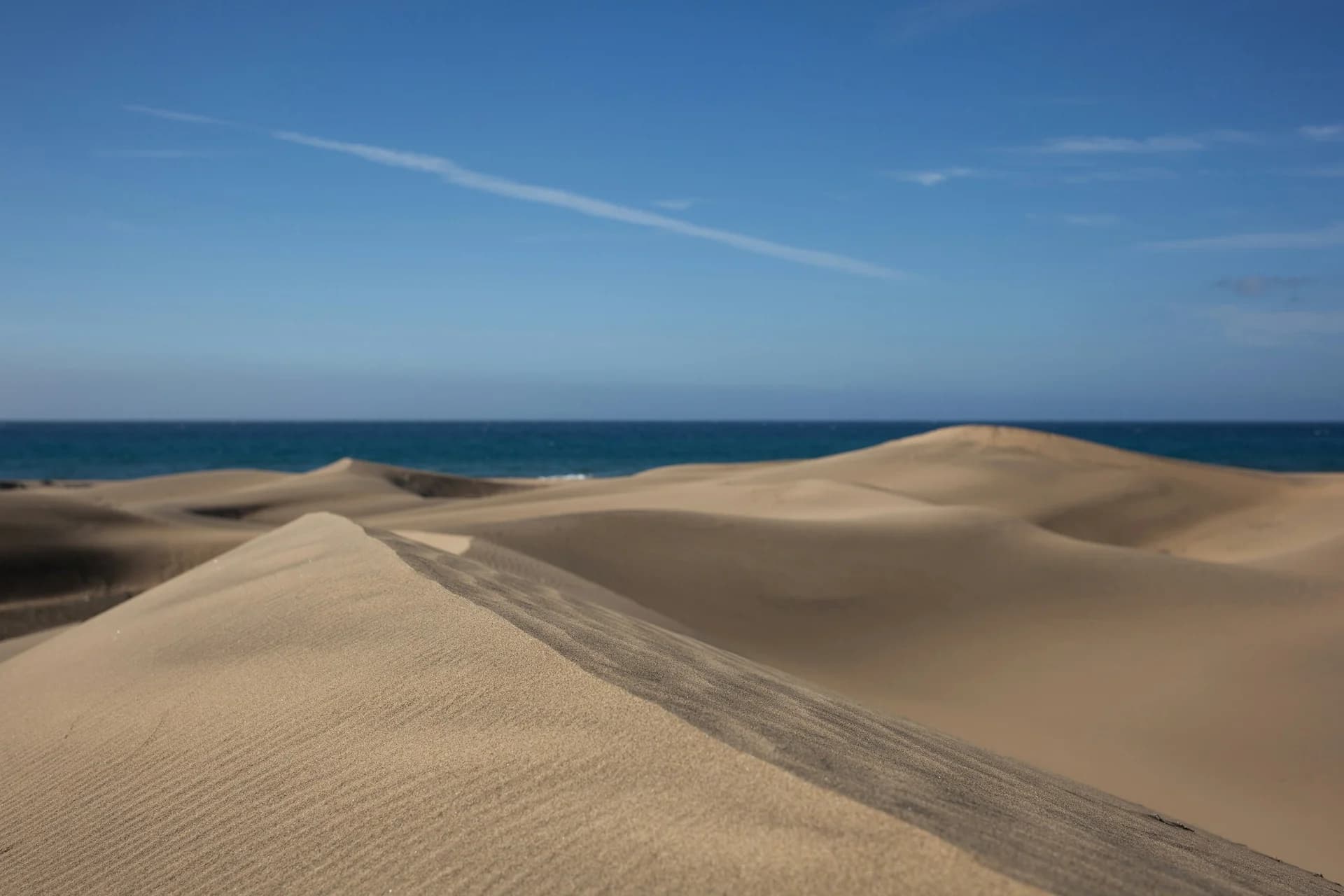
Gran Canaria packs Saharan-style dunes, pine-forest peaks, and a year-round spring climate onto one island barely 50 km across — which is exactly why first-timers arrive with a long list of questions. Here are the ones travelers ask most, answered straight, so you can book with confidence.
Q: Do you need a visa? For most visitors, no. Gran Canaria is part of Spain and the Schengen Area, so US, UK, Canadian, Australian, and many other passport holders can visit visa-free for up to 90 days in any 180-day period. From 2026, visa-exempt travelers will also need the EU's ETIAS travel authorization — a quick online form costing around €20 (about US$22).
Q: When's the best time to go? Honestly, any month works — that's the island's superpower. For the ideal mix of warm sea and manageable crowds, target April-June or September-October. For a winter sun escape, December to March delivers 20-24°C while northern Europe freezes.
Q: Is the sea warm enough to swim? Yes, though it depends on your tolerance. The Atlantic here holds around 19-20°C in winter and 22-23°C in late summer. It's cooler than the Mediterranean but swimmable all year, especially in sheltered spots like Amadores and Las Canteras.
Q: Do you need to rent a car? For beaches and resorts, no — the Global bus network links the south to Las Palmas well (a Las Palmas–Maspalomas ride is about €6, or US$6.50). But to reach the dramatic interior — Roque Nublo, Tejeda, the Caldera de Bandama — a car is close to essential. Roads are steep and winding, so allow extra time and watch for cyclists.
Q: Which side of the island should you stay on? The sunny south (Maspalomas, Playa del Inglés, Meloneras, Puerto Rico) for reliable sun, dunes, and resort infrastructure. The capital, Las Palmas, in the north for city life, culture, and the excellent Las Canteras beach. First-timers chasing sun should base south.
Q: Is Gran Canaria good for families? Very. Stick to the calm, warm southern beaches like Amadores and Puerto Rico, both man-made and sheltered for easy swimming. Boat trips, dunes, and short mountain hikes round out an easy family week.
Q: What's the one natural sight you shouldn't miss? Roque Nublo, the island's sacred 80-metre volcanic monolith standing at 1,813 m. A moderate 1.5 km trail (about 45 minutes each way) reaches its base. Go early — the summit clouds over by lunchtime.
Q: And the best beach? For calm swimming, the horseshoe Playa de Amadores. For city energy, the 3 km Las Canteras in Las Palmas, sheltered by a natural reef bar. For the iconic view, walk the Maspalomas Dunes to the lighthouse — just bring water, there's no shade.
Q: Is it expensive? Less than you'd expect. The Canaries charge a low 7% IGIC sales tax instead of mainland Spain's 21% VAT, so dining, alcohol, electronics, and perfume are noticeably cheaper. A casual seafood lunch runs €12-20 (US$13-22) per person; a lounger and parasol on the beach, €6-8 (US$6.50-8.70).
Q: What should you eat? Papas arrugadas — wrinkled salt potatoes — with red and green mojo sauce, fresh grilled fish, and up in the mountains, bienmesabe almond dessert. Wash it down with a local Listán wine.
Q: Is it safe? Very. Gran Canaria rates as a Level 1 (very safe) destination. The main risks are natural: strong Atlantic currents on the wild north and west (check the flag system) and the deceptively intense subtropical sun. Use high-factor sunscreen even when it feels mild.
Q: What time do people eat dinner? Late, Spanish-style. Lunch runs around 2-3PM and dinner rarely starts before 8-9PM, so many kitchens sit idle mid-afternoon. Outside the tourist resorts, don't expect a buzz before 9PM.
Q: Is there a time difference from mainland Spain? Yes — an easy one to forget. The Canaries run on WET (UTC+0), one hour behind Madrid, aligning them with the UK and Portugal. Factor it into flights, calls, and connections.
Q: Can you see whales and dolphins? Yes. Boat trips from Puerto Rico marina spot resident dolphins and, in season, pilot whales, for about €30-40 (US$32-43) per adult. Morning seas are calmest.
Q: Can you island-hop to Tenerife or Fuerteventura? Easily. Fast ferries and short flights connect Gran Canaria to the other Canary Islands — Tenerife is roughly an hour by fast ferry from Las Palmas, and Fuerteventura's endless beaches are a similar hop. It's a popular way to bolt a second island onto a longer trip.
Q: Is it a party island or a quiet one? Both, and they barely overlap. Playa del Inglés has a famous nightlife scene (including a large LGBTQ+ scene around the Yumbo Centre), while the mountainous interior, the north coast, and villages like Tejeda are genuinely peaceful. Pick your base to pick your speed.
Q: What should you bring home? The low 7% IGIC tax makes shopping worthwhile. Grab local mojo sauce, Gran Canaria coffee, aloe vera products, and a bottle of island Listán wine — all cheaper here than on the mainland.
Q: How many days do you need? Five to seven. That's enough to combine the southern beaches, a mountain day to Roque Nublo and Tejeda, a boat trip, and a day in Las Palmas without rushing. Fewer than four and you'll only scratch the coast.
Quick Reference
| Question | Short Answer |
|---|---|
| Visa | Visa-free 90 days; ETIAS (~€20) from 2026 |
| Currency | Euro; low 7% IGIC tax |
| Best time | Apr-Jun & Sep-Oct; Dec-Mar for winter sun |
| Car needed? | Only for the interior |
| Base south for | Sun, dunes, resorts |
| Base north for | City, culture, Las Canteras |
| Time zone | WET (UTC+0), 1hr behind Madrid |
| Safety | Very safe; mind currents and sun |
| Days needed | 5-7 |
Book with those answered and Gran Canaria stops feeling like a gamble and starts feeling like the easy, sun-sure island escape it actually is.
Related Articles
 Travel Guides
10 Things to Do in the Maasai Mara That Aren't Just the River Crossing
 Travel Guides
12 Best Things to Do in Luxor: A Both-Banks Hit List for Ancient Thebes
 Travel Guides