What Living on Reunion Island Is Really Like: A Conversation with Marie-Ange
What Living on Reunion Island Is Really Like: A Conversation with Marie-Ange
Marie-Ange Payet, 48, was born in Saint-Denis, studied in Paris, and returned to Reunion 20 years ago to raise her children and run a gite (mountain lodge) in Cilaos. She's Creole — a mix of French, Malagasy, and Tamil ancestry — and speaks French, Creole, some Tamil, and enough English to argue about politics and food.
Q: What do visitors always get wrong about Reunion?
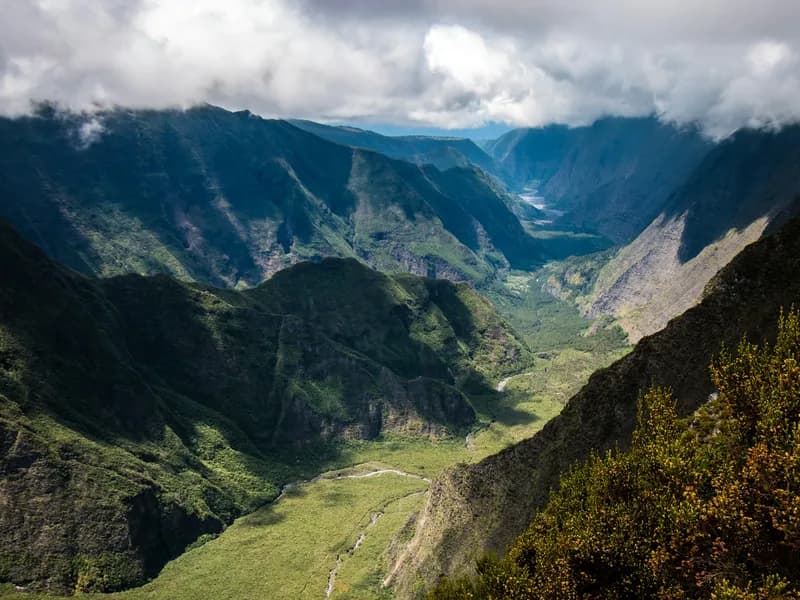
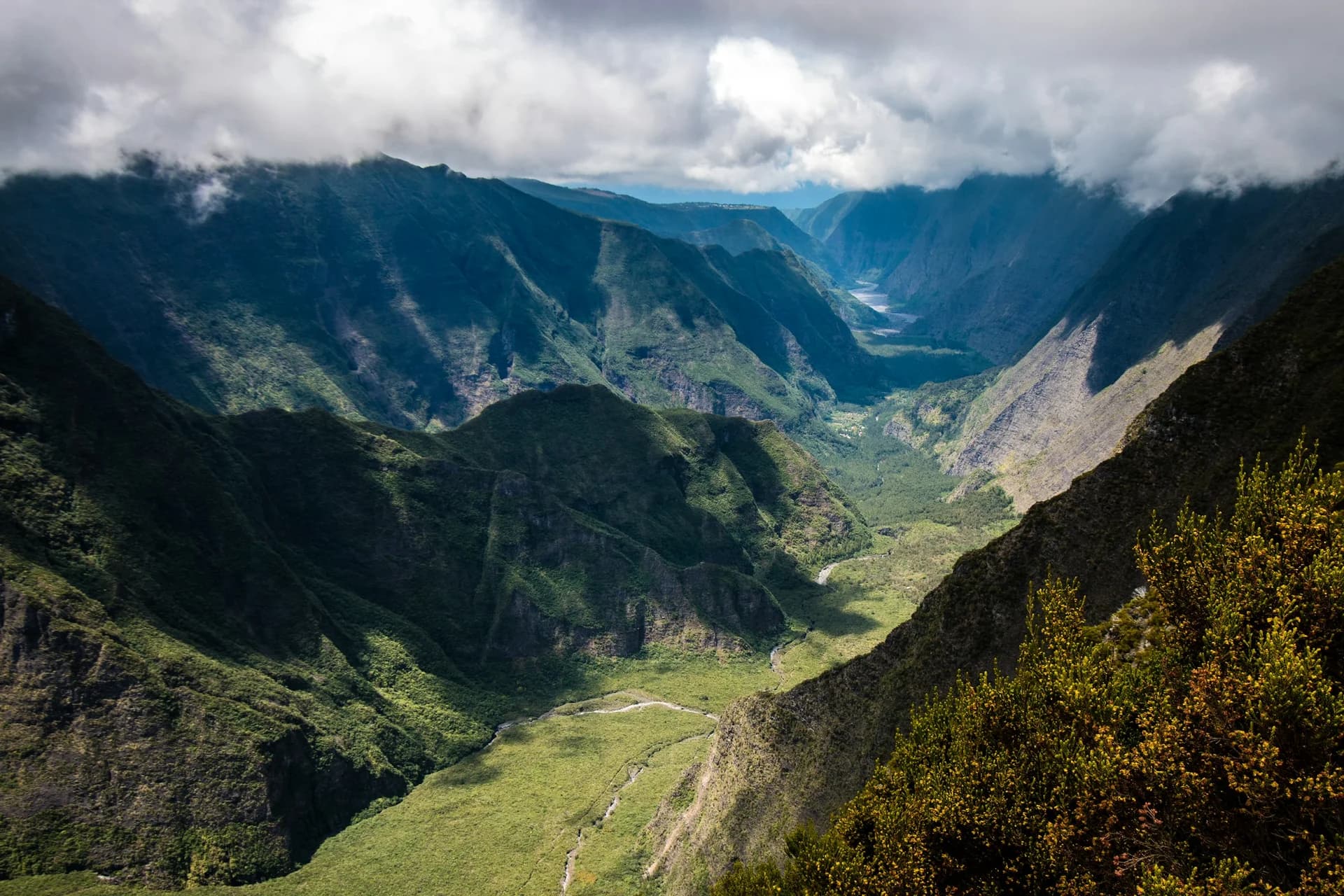
Most arrive expecting a beach island. Mauritius is the beach island — 200 km that way. Reunion is a mountain island with a volcano. Show up in bikinis and flip-flops and you'll quickly discover you needed hiking boots and a fleece instead.
The west coast lagoons — l'Hermitage, Saint-Gilles — deliver beautiful beaches. But the heart of Reunion lives in the cirques and on the volcano. Skip the walking and you miss 80% of the island.
Q: What about the shark situation?
It's real, and Marie-Ange won't pretend otherwise. Since 2011, the island has seen serious bull shark attacks on surfers and swimmers, and most beaches outside the lagoon areas now carry swimming bans — a hard blow to the surf tourism industry.
The response, though, has been measured: shark nets at Boucan Canot, research programs, regulated surf zones. The lagoon beaches on the west coast are completely safe. And the mountains were always the real attraction, so the shark issue simply redirected attention to where it belonged all along.
Don't let sharks keep you away. Just skip the unprotected beaches. The flags and signs are clear.
Q: Tell us about Creole culture on Reunion.
Reunion is the most mixed place you're likely to encounter anywhere. French, African, Malagasy, Tamil, Gujarati, Chinese, Comorian — all on an island 60 km across. Diwali and Christmas both get celebrated. A Hindu temple stands next to a Catholic church next to a mosque. Marie-Ange's own grandmother was Tamil, her grandfather was French, and her other grandmother came from Madagascar.
The food carries the same story. Cari (curry) comes from India. Bouchons (steamed dumplings) come from China. Rougail traces back to the slave cooking traditions of East Africa. Samosas are Indian. Cassoulet arrives from France. And somehow it all works together.
Creole language is the glue. Everyone speaks it — it's the mother tongue. French is the official language, what you use at school and work. But at home, with friends, at the market, it's Creole. Learn even a few words — "koman i le" (how are you?), "mersi" (thank you) — and faces light up.
Q: What's the food like at your gite?
Marie-Ange cooks what her mother cooked. Cari poulet — chicken simmered with turmeric, thyme, garlic, onion, and tomato, served with rice, red lentils (grown right here in Cilaos, with a protected geographic indication), and rougail — a condiment of fresh chili, tomato, and ginger.
Rougail saucisse lands on Tuesdays — smoked pork sausage in a spicy tomato sauce. It's the unofficial national dish, and every Reunionnais holds an opinion about whose is best. Hers is best. Don't argue.
When the season is right, Fridays bring cari bichiques — tiny river fish, incredibly precious, caught during their annual migration up the rivers. Restaurants charge 30-40 EUR for a plate. At her gite, it's folded into the 45 EUR dinner-and-bed price.
Breakfast leans French: bread, butter, jam, coffee. But local fruits join the table too — mangoes, lychees, passion fruit — and sometimes bonbon piment (fried chili fritters), because that's how mornings should start.
Q: What should visitors not miss?
Piton de la Fournaise. The summit hike is incredible, but at minimum take the drive across the Plaine des Sables — the most alien landscape on the island, maybe 30 minutes across. Miss the Plaine des Sables and you haven't really seen Reunion.
Mafate. Even without the multi-day trek, hike from Col des Boeufs to La Nouvelle and back in a day. The descent into the roadless cirque is one of those moments that turns people into hikers.
The Sunday market in Saint-Paul. It runs along the seafront for 500 meters — every spice, every fruit, every prepared Creole dish. Buy vanilla there; it's cheaper than the plantations. Buy rhum arrange from the old men who make it in their garages. The market is where Reunion's cultures show up side by side in the most delicious way.
Q: What annoys you about tourism on Reunion?
The helicopters. It's a minority view, but the helicopter tours over the cirques are punishingly loud, and in Mafate — supposedly this peaceful, car-free paradise — peak season brings 15-20 helicopter passes a day. For the people living in Mafate, and for the hikers who came for silence, it's disruptive.
The economic argument is real — running a tourism business makes that plain. But there should be limits on the number of daily flights and designated quiet hours. The cirques are a UNESCO World Heritage Site; they deserve protection from noise as much as from physical degradation.
Q: What's your favorite time of year?
June to September — the austral winter. The air turns crisp and dry, the skies stay clear most days, and the hiking conditions hit their peak. The volcano is most likely to erupt during the wet season (January-March), but June through September is when the mountains reveal their best faces.
There's also whale season. Humpback whales migrate through Reunion's waters June-October. You can spot them from the coast — Saint-Gilles is the best vantage — or take a responsible whale-watching boat trip. Watching a 40-ton whale breach from a small boat is not something you forget.
Q: Any message for visitors?
Learn three words of Creole. Eat at the roulottes and the tables d'hotes, not just the hotels. Drive slowly on the mountain roads — beautiful and dangerous in equal measure. Buy vanilla directly from a producer. Drink rhum arrange. And if you make it to Marie-Ange's gite in Cilaos, don't complain about the 400 hairpin turns on the road up — she drives them every week. You'll survive.
Reunion is not Mauritius. It's not a relaxation island. It's an adventure island that happens to come with French wine and good cheese — a combination you won't find anywhere else on Earth.
For the full hiking experience, read our 6-day trail journal. Our FAQ covers 14 essential questions for first-time visitors. And if Marie-Ange's comparison to Mauritius has you curious, it's just a 45-minute flight away.