8 Things to Do in Dubai That Aren't the Burj Khalifa
8 Things to Do in Dubai That Aren't the Burj Khalifa
You land in Dubai, you spot the Burj Khalifa from the highway, and the plan practically writes itself: go up the tower, walk through Dubai Mall, take a photo with the fountain. Done.
But that's not Dubai. That's the theme-park version. The real city is across the Creek in Deira, in the wind-tower houses of Al Fahidi, on the deck of a wooden dhow at sunset. It's a place that thrived as a trading hub for centuries before anyone thought to build the world's tallest building.
Here are 8 things worth prioritizing over another observation deck ticket.
1. Cross the Dubai Creek by Abra
AED 1. One dirham. Less than $0.30. For that, you get a 5-minute ride across the Dubai Creek on a traditional wooden water taxi that's been making this crossing for decades.
The abra stations sit at Bur Dubai Old Souk and Deira Old Souk. Just walk up, hand over a coin, and step aboard. There's no schedule — boats leave when they're full, which means every few minutes. You'll ride shoulder-to-shoulder with local workers commuting, tourists figuring out where they are, and occasionally someone's shopping bags.
The Creek itself is the old heart of Dubai — dhows from Iran and India still dock here for trade. The waterfront on both sides has stood long before anyone imagined the Marina skyline. This is the most authentic AED 1 you'll spend in the country.
2. Explore Al Fahidi Historical Neighbourhood
Dubai has history — hard to believe when so much of it looks built last Tuesday. But Al Fahidi, in Bur Dubai, is a restored 19th-century neighborhood of wind-tower courtyard houses, narrow lanes, and small art galleries.
The wind towers are the fascinating part — passive air conditioning, designed to funnel breezes down into the rooms below. In a city that now cools everything to 18°C, these towers are a reminder that people lived here without electricity for a very long time.
The Dubai Museum in Al Fahidi Fort costs AED 3. Three dirhams. It's small but covers Dubai's transformation from fishing village to megacity in a surprisingly engaging way. The area is a 10-minute walk from Al Fahidi metro station.
Free to wander. Galleries and cafes are scattered through the lanes. Go in the late afternoon when the light softens.
3. Eat a Street Shawarma in Deira at Midnight
Dubai's food scene splits into two parallel universes. Universe A: hotel restaurants where a steak costs AED 350 and the bread basket is "complimentary" in a way that makes you suspect it's baked into the steak price.
Universe B: the streets of Deira and Bur Dubai, where a chicken shawarma costs AED 5-10 and tastes better than anything in Universe A.
The shawarma stands on Al Rigga Road run until well past midnight. The chicken is spit-roasted, shaved to order, wrapped in fresh bread with garlic sauce and pickles. It costs less than a bottle of water at Dubai Mall.
For a proper sit-down meal, the Pakistani and Indian restaurants in Deira serve curry, biryani, and tikka for AED 15-25 per person. Al Ustad Special Kebab in Bur Dubai has been serving Iranian kebabs since 1978 — it's on Khalid Bin Waleed Road and it's excellent.
4. Walk the Spice Souk (Not the Gold Souk)
Everyone goes to the Gold Souk. And sure, 300+ gold shops glittering under fluorescent lights make an impression. But the Spice Souk next door is better.
Saffron from Iran, cardamom from India, frankincense from Oman, dried limes from Iraq — the whole souk smells like a spice cabinet had a party. The vendors are less aggressive than the gold sellers, the prices are genuine, and you can buy real saffron for a fraction of supermarket prices back home.
Walk from the Spice Souk down Sikkat al-Khail Street to reach the Perfume Souk — traditional Arabic oud and attar perfumes. The scent profiles are worlds apart from Western perfumes. A small bottle of oud oil costs AED 50-200 depending on quality. The souk experience here echoes the bazaars of Istanbul and Marrakech.
5. Watch the Dubai Fountain (Don't Go Up the Burj)
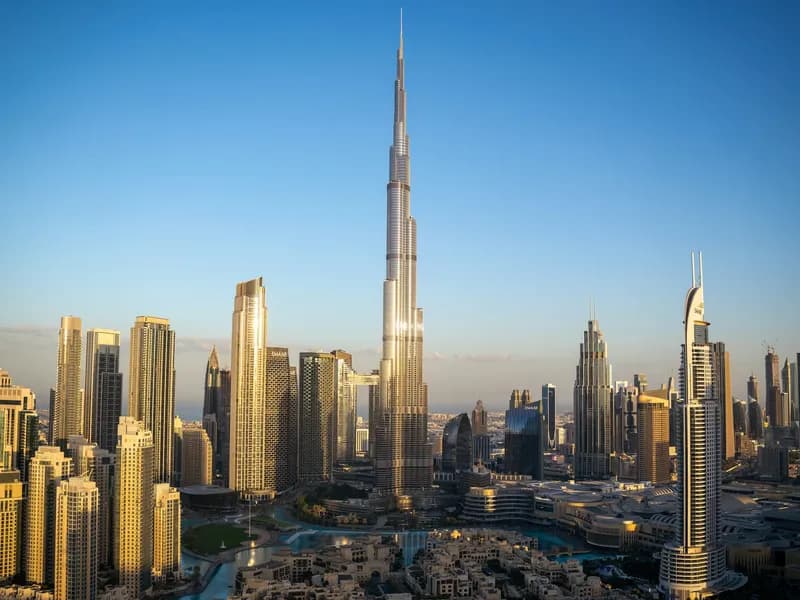
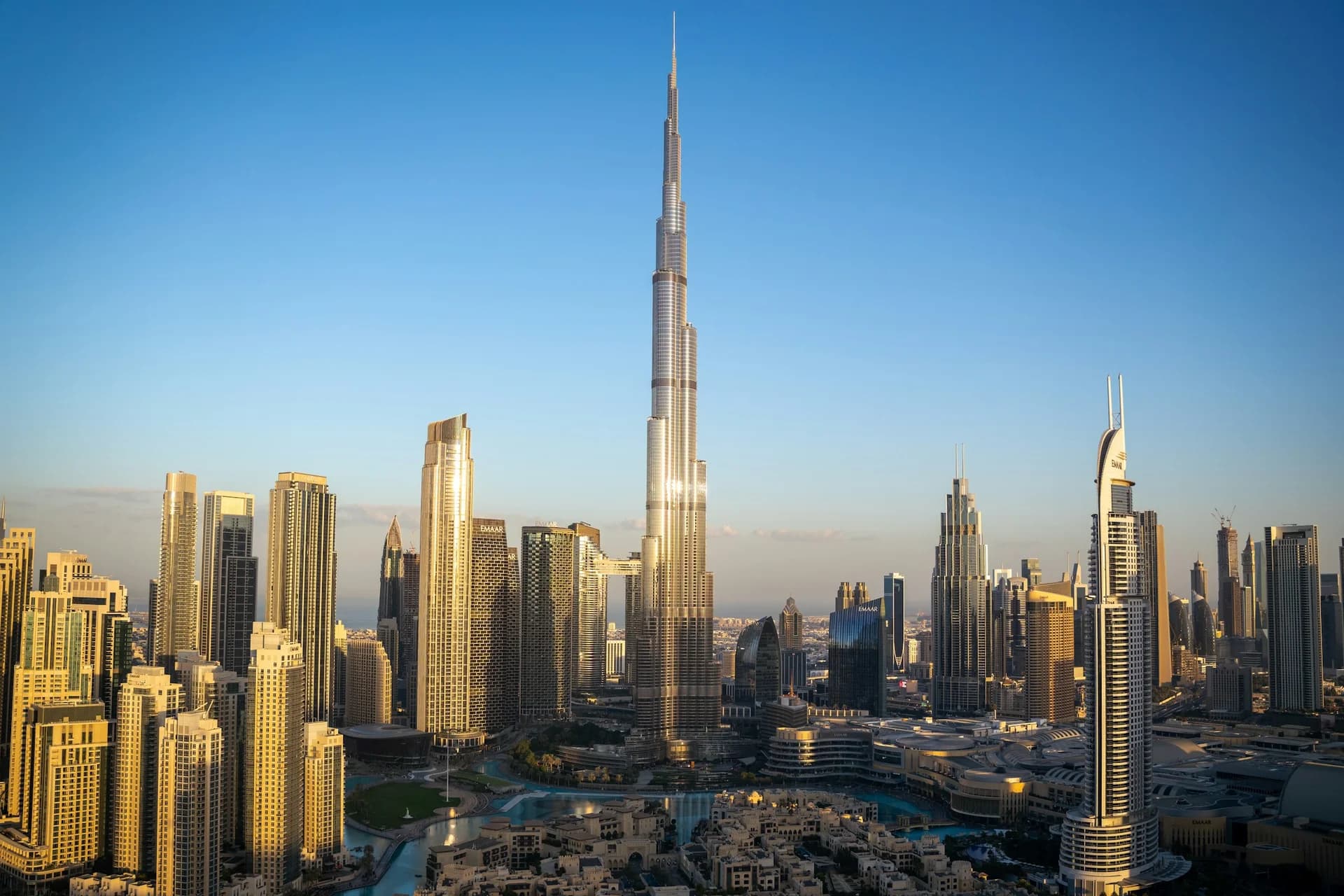
Here's the contrarian take: watching the Dubai Fountain from ground level beats going up the Burj Khalifa.
The fountain show runs every 30 minutes from 6PM to 11PM daily. It's free. The 900+ water jets are choreographed to music — Arabic ballads, pop songs, classical — with lighting effects that turn the spray into something genuinely moving. The backdrop is the illuminated Burj Khalifa.
For the best view, walk to the promenade in front of Dubai Mall's waterfront entrance. Or grab a table at one of the restaurants on the Souk Al Bahar side for a table-level perspective.
Going up the Burj (AED 169 minimum) delivers impressive views, but you can't see the building itself — which is the whole point of the building. The fountain gives you the tower, the water, the light, and the music. For free.
6. Take a Desert Safari — But Choose Carefully
Half-day evening safaris rank among Dubai's best experiences, but the market is flooded with operators ranging from excellent to cattle-car.
Avoid the cheapest options (under AED 100). They pack 20+ vehicles into a convoy, rush through the dune bashing, and serve buffet food that tastes like it was prepared Tuesday.
Book with reputable operators like Platinum Heritage (smaller groups, vintage Land Rovers, an actual Bedouin camp) or Arabian Adventures (owned by the Emirates Group). Budget AED 250-350 per person for a quality experience that includes dune bashing, camel riding, sandboarding, a BBQ dinner, and cultural entertainment.
The dune bashing is legitimately thrilling — a 4x4 sliding sideways down sand dunes at 45-degree angles. If you're prone to car sickness, sit in the front seat and keep your eyes on the horizon.
7. Visit the JBR Beach Boardwalk at Sunset
Jumeirah Beach Residence (JBR) has a 1.7 km beachfront promenade lined with restaurants, shops, and free beach access. It's Dubai's best public beach and it costs nothing.
The sunset from JBR, with Ain Dubai (the world's largest observation wheel, AED 130) silhouetted against the orange sky and the Marina skyline behind you, is one of those views that makes you understand why people move here.
Rent a sun lounger for AED 50/day or just bring a towel. The water is warm year-round (23-32°C depending on season). Swim, eat, walk. This is Dubai at its most accessible.
8. Ride the Metro Gold Class on the Red Line
Dubai Metro is clean, efficient, and air-conditioned to sub-Arctic temperatures (bring a layer). The Red Line runs from Rashidiya through downtown, past the Marina, to Jebel Ali.
Gold Class is the front cabin — AED 8 per zone instead of the standard AED 4. The front has floor-to-ceiling windows that give you a driver's-eye view of the city. The stretch between Financial Centre and Mall of the Emirates, where the track weaves between skyscrapers, beats any tour bus.
Buy a Nol card (AED 25 including AED 19 credit) at any station. The metro doesn't cover everything — Dubai is vast — but for the central attractions, it's the best way to move.
The Budget Secret of Dubai
Dubai carries a reputation as expensive, and it can be. But the city runs a parallel economy that most tourists never discover.
| The Tourist Version | The Local Version |
|---|---|
| Hotel dinner: AED 200-400 | Deira restaurant: AED 15-25 |
| Burj Khalifa deck: AED 169 | Dubai Fountain: Free |
| Taxi across town: AED 50-80 | Metro: AED 4-8 |
| Beach club day pass: AED 200 | JBR Beach: Free |
| Guided Creek tour: AED 150 | Abra ride: AED 1 |
Dubai can absolutely be done on AED 200/day ($55) if you eat local, use public transport, and prioritize free attractions. The AED 1 abra and the AED 5 shawarma are as much Dubai as the AED 169 observation deck. Arguably more so.
For the full week-by-week experience, read our Dubai travel diary. Comparing the two UAE cities? Check our Dubai vs Abu Dhabi guide. And if Dubai's blend of old and new fascinates you, Cairo offers an even deeper dive into that contrast.