Dubai vs. Abu Dhabi: Which Emirate Should You Actually Visit?
Dubai vs. Abu Dhabi: Which Emirate Should You Actually Visit?
Dubai gets all the attention. Burj Khalifa, Dubai Mall, desert safaris, gold souks — it's the default UAE destination, the one that shows up in every travel feed. Abu Dhabi, 130 km down the highway, sits in Dubai's shadow despite having arguably more cultural substance and a fraction of the crowds.
I've spent time in both. Here's the honest comparison.
Architecture & Landmarks
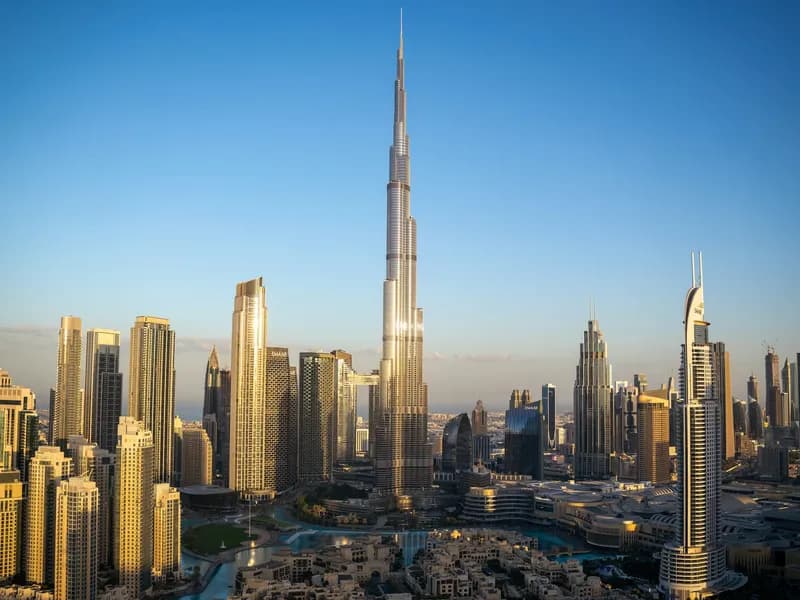
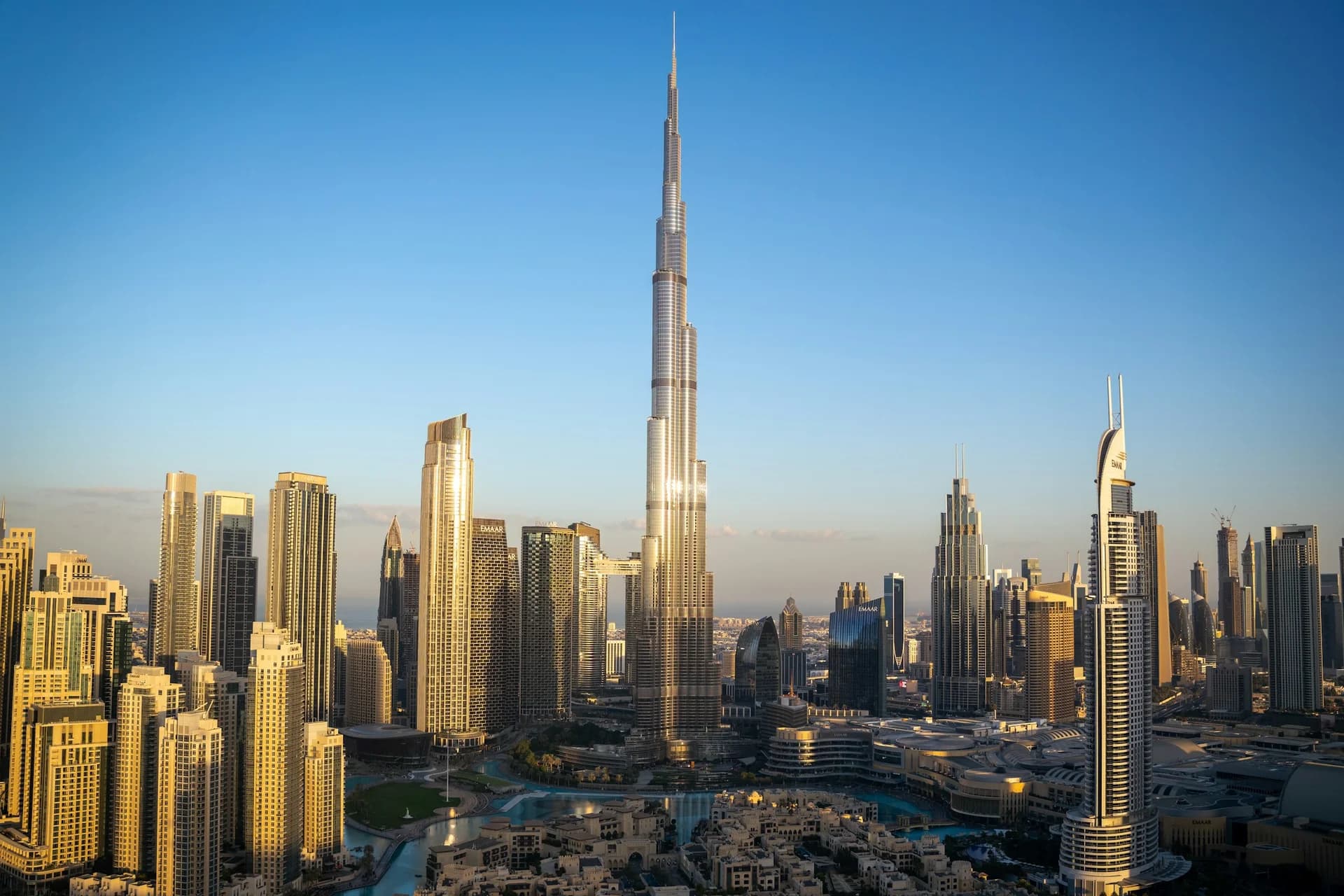
Dubai goes vertical. The Burj Khalifa (828m, world's tallest building) defines the skyline. The observation deck at Level 124/125 costs AED 169 ($46), and the views at sunset are worth every dirham. Dubai Frame (AED 50), Museum of the Future (AED 149), and the Palm Jumeirah are engineering spectacles. Dubai's architecture screams "look what we built."
Abu Dhabi goes wide and deep. The Sheikh Zayed Grand Mosque is, without exaggeration, one of the most beautiful buildings I've ever entered. Free entry, open daily. White marble, 82 domes, the world's largest hand-knotted carpet, and a reflective pool that doubles the mosque in mirror image at sunset. The Louvre Abu Dhabi (AED 63) is a Jean Nouvel masterpiece — a dome that creates a "rain of light" over galleries spanning from prehistory to contemporary art.
Qasr Al Watan (the Presidential Palace, AED 60) is Abu Dhabi's most underrated attraction — a functioning government building open to visitors with interiors of such opulence that Dubai's hotel lobbies look restrained.
Winner: Tie. Dubai for spectacle, Abu Dhabi for substance.
Culture & History
Abu Dhabi wins clearly.
Dubai has history — the Al Fahidi Historical Neighbourhood with its wind-tower houses and the Dubai Museum (AED 3) are worth visiting. The abra ride across Dubai Creek (AED 1) is authentic. But Dubai's identity is primarily commercial and futuristic. It doesn't pretend otherwise.
Abu Dhabi has invested heavily in cultural infrastructure. The Louvre Abu Dhabi is a world-class museum. The Cultural District on Saadiyat Island will eventually include a Guggenheim Abu Dhabi. Heritage Village on the Corniche is a free reconstruction of traditional Emirati life. And the Grand Mosque isn't just a photo op — it's a functioning house of worship that communicates the depth of Islamic architectural tradition in a way that moves even non-religious visitors.
Winner: Abu Dhabi
Shopping
Dubai. Obviously.
Dubai Mall alone has 1,200+ shops. Mall of the Emirates has an indoor ski slope. The Gold Souk in Deira has 300+ gold retailers. If shopping is your primary objective, Dubai is purpose-built for it.
Abu Dhabi has malls (Yas Mall, The Galleria) but they're less overwhelming. The souk at Qasr Al Hosn is more curated and less chaotic.
Winner: Dubai
Beaches
Both are good, but different.
Dubai's JBR Beach (free access) has a 1.7 km promenade, restaurants, and the Ain Dubai observation wheel on Bluewaters Island nearby. Kite Beach is popular for water sports. The beaches are urban — skyscrapers form the backdrop.
Abu Dhabi's Saadiyat Beach is cleaner, less crowded, and flanked by protected dunes rather than towers. Corniche Beach is a long public stretch with Blue Flag status. Yas Beach on Yas Island is well-maintained and less congested than anything in Dubai.
Winner: Abu Dhabi (for quality and calm)
Food
Dubai has more variety. Abu Dhabi has better value.
Dubai's dining scene is enormous — from AED 5 shawarma in Deira to Nobu and Zuma. The diversity is staggering: Pakistani restaurants on Al Rigga Road, Filipino food in Karama, Ethiopian in Al Quoz, and high-end everything in DIFC.
Abu Dhabi's food scene is smaller but growing. The restaurants along the Corniche and in Saadiyat Island are excellent. Prices are generally 10-20% lower than equivalent Dubai spots.
Critical tip for both: avoid hotel restaurants for everyday meals. A shawarma that costs AED 5 on the street costs AED 45 in a hotel restaurant. Deira and Bur Dubai in Dubai, and the old souk area of Abu Dhabi, are where the value is.
| Meal Type | Dubai | Abu Dhabi |
|---|---|---|
| Street shawarma | AED 5-10 | AED 5-8 |
| Local restaurant | AED 25-50 | AED 20-40 |
| Mid-range dinner | AED 100-200 | AED 80-150 |
| Fine dining | AED 400-800+ | AED 300-600+ |
Winner: Tie (Dubai for choice, Abu Dhabi for value)
Cost
Abu Dhabi is cheaper across the board.
Hotels in Abu Dhabi run 15-25% less than equivalent Dubai properties. Taxi fares are lower. Attractions are less expensive (the Grand Mosque is free; Burj Khalifa is AED 169+). Abu Dhabi's fewer tourist-trap restaurants mean you're less likely to accidentally spend AED 200 on a mediocre meal.
Dubai can be done on a budget — the abra, souks, free beaches, and Deira food are all cheap. But the headline attractions (Burj Khalifa, desert safari, Dubai Mall aquarium) add up fast.
Winner: Abu Dhabi
Nightlife
Dubai, by a significant margin.
Dubai's bar and club scene is one of the most international in the world. Licensed hotel bars, rooftop lounges, beach clubs — there's something for every vibe. The DIFC district has trendy cocktail bars. Marina and JBR have beach clubs that run from afternoon into late night.
Abu Dhabi has bars and lounges (mostly in hotels on Saadiyat and Yas islands) but the scene is quieter and less varied.
Important for both: alcohol is only served in licensed venues. Public intoxication is a criminal offense. Zero-tolerance drink-driving. During Ramadan, alcohol service is restricted.
Winner: Dubai
Getting Around
Dubai has better public transport.
Dubai Metro (Red and Green lines) covers most tourist areas. Clean, air-conditioned, runs 5AM-midnight. Nol card (AED 25 including AED 19 credit). The Gold Class cabin on the Red Line has front-car views of the skyline.
Abu Dhabi has buses but no metro. You'll rely on taxis (AED 12 flag fall, cheaper than Dubai) or ride-hailing apps. Getting between attractions requires a car.
Winner: Dubai
The Verdict
If you want spectacle, shopping, and nightlife: Dubai. It's built to impress, and it does.
If you want culture, calm, and better value: Abu Dhabi. The Grand Mosque and Louvre alone justify the trip.
If you have 5+ days: Do both. They're 90 minutes apart by car, connected by express buses (AED 25) and taxis. Stay 3 nights in Dubai, take a day trip to Abu Dhabi, or split 3/2 between them.
If you're visiting during Ramadan: Abu Dhabi is the better choice — the iftar experiences are more authentic and the atmosphere is respectful without being restrictive. Dubai during Ramadan can feel like a city in suspended animation.
They're different expressions of the same country. Dubai is the showroom. Abu Dhabi is the substance behind it. Both are worth your time.
For more Dubai deep-dives, read our 8 things to do beyond the Burj Khalifa and our week-long Dubai diary. Planning a broader Middle East trip? Istanbul, Cairo, and Petra combine beautifully with the UAE.