Cross the Creek: The Dubai That Waits Behind the Skyline
Cross the Creek: The Dubai That Waits Behind the Skyline
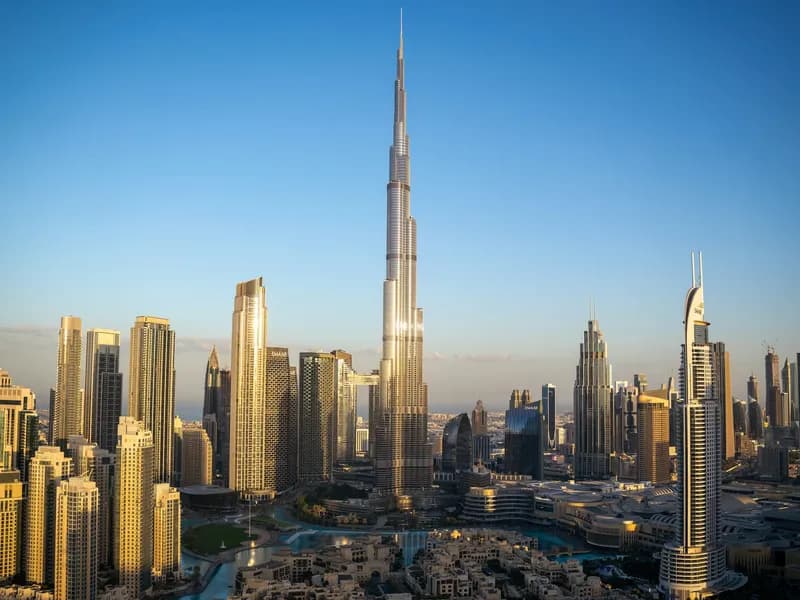
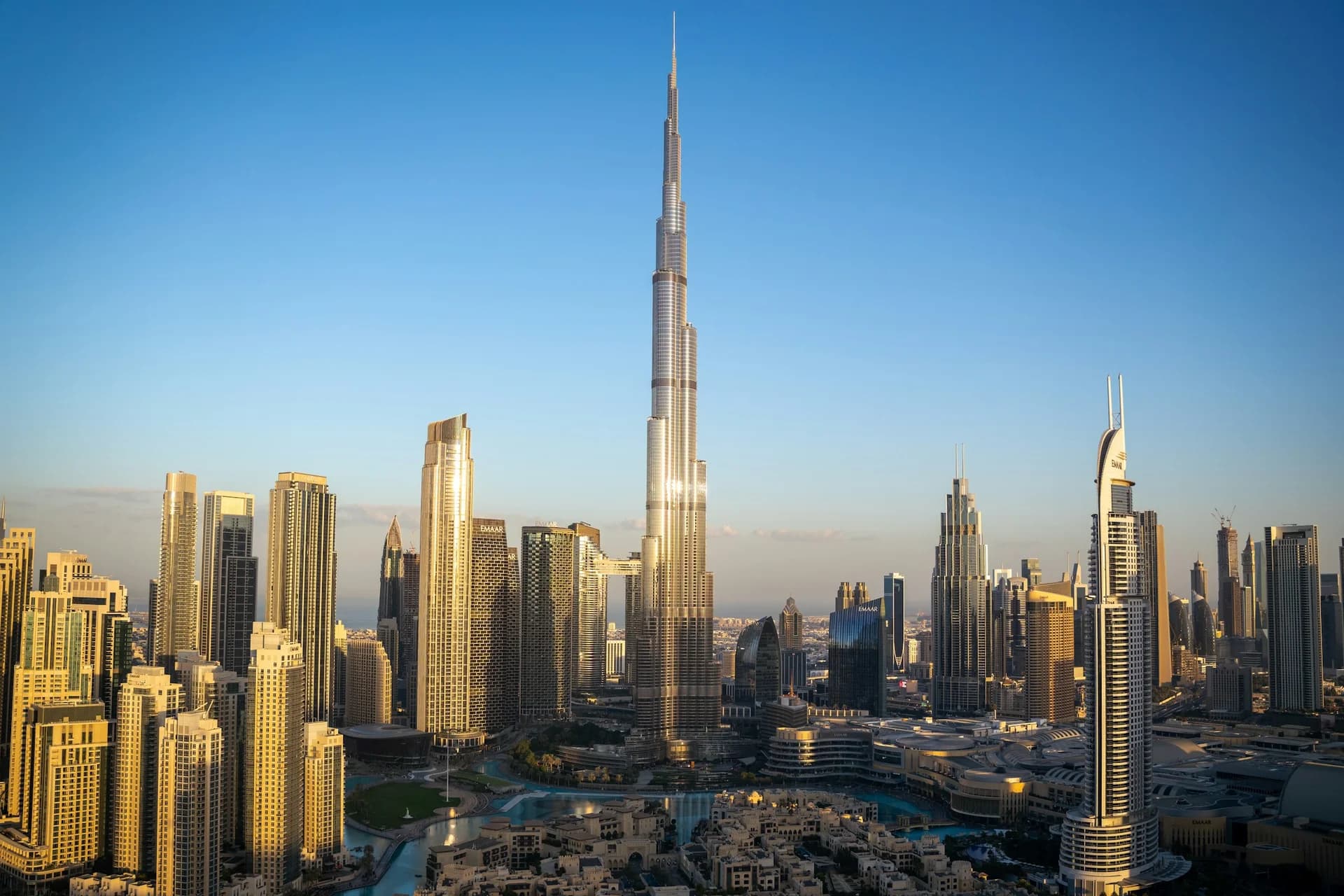
You land at Terminal 3 a little after midnight, and the first thing Dubai does is refrigerate you. The jet bridge is cold. The immigration hall, colder. Then the doors slide open to the curb and the heat lands like an oven you forgot was on — 38°C at one in the morning, the taxi's windows fogging from the inside. On the ride in, the skyline behaves exactly like the postcards: the Burj Khalifa stitching up past everything around it, Sheikh Zayed Road unspooling twelve lanes of tail-lights toward a wall of towers that all seem to want the same compliment.
Here's the part the postcards leave out. Day one can feel strangely hollow. You walk into The Dubai Mall — 1,200 shops, an aquarium behind the food court, an indoor waterfall with real divers — and somewhere between the third luxury atrium and the valet stand you start to wonder if the whole city is a beautifully engineered way to sell you something. Everything gleams. Everything has a price tag and a queue. You came a long way to feel like a customer.
Give it until the second morning. Because the Dubai that sticks isn't up in the glass — it's down on the water, and it costs about a quarter to reach.
Start with the spectacle
Do the froth first, if you like. Ride to the top of the Burj Khalifa (from around 179 AED / $49 for an At the Top ticket booked online a day ahead, more for a sunset slot). Catch the Dubai Fountain show at the base — free, every half hour after 6 p.m., and genuinely worth standing shoulder to shoulder for. It's all real, and it's all impressive in the way a scoreboard is impressive.
But by the end of that first day the sameness catches up with you. The malls flow into each other. The taxis idle in perfect AC. You keep meeting the newest, tallest, largest, most — and superlatives, it turns out, are exhausting company. This is the low point of every honest Dubai trip: the suspicion that there's no there here, just a very shiny surface.
That's the moment to head for the Green Line and Al Fahidi station. Tap in with a Nol card (top up 20 AED and you'll barely dent it — a single ride runs 3–7.50 AED depending on zones). Get out at Al Ghubaiba or Al Fahidi, walk toward the water, and everything changes.
Down to the water
Dubai Creek is the reason the city exists — a saltwater inlet where pearl divers and dhow traders built something long before anyone poured a foundation on Sheikh Zayed Road. Cross it the way locals have for a century: on an abra, a low wooden ferry that seats about twenty people on a shared bench down the middle. The fare is 1 AED — roughly 27 cents — paid in coins to the driver once you're moving.
It is, without exaggeration, the best thing you'll do in Dubai for less than a dollar. The boat pushes off from the Bur Dubai landing, the engine coughs, and for five minutes you're low on the water with the wind actually in your face — no AC, no glass, spice-warehouse smells drifting off the Deira bank, water taxis and cargo dhows sliding past close enough to read the crates. The skyline is still out there in the distance. But now you're looking at it from the old city's side, and the whole trip reorganizes itself around this small brown boat.
Land on the Deira side and walk straight into the Gold Souk. Hundreds of shop windows stacked with bangles and chains, the gold priced off the daily weight rate plus a making charge — so the sticker is closer to honest than you'd guess, and haggling is expected, not rude. You don't have to buy a gram. Just stand in one of the covered lanes at dusk when the lights come on and every window turns molten. Then follow your nose two minutes over to the Spice Souk, where the sacks spill cinnamon, dried lime, saffron, and frankincense, and a shopkeeper will hand you a resin crystal to smell whether or not you're buying — the same sensory overload of Cairo's Khan el-Khalili, just without the crowds.
Into Al Fahidi's shade
Take the abra back across and lose an afternoon in Al Fahidi Historical Neighbourhood (some maps still call it Al Bastakiya). This is the Dubai that predates the boom: a maze of low sand-colored houses topped with barjeel wind towers — the original air conditioning, catching whatever breeze moves and funneling it down into the rooms below. The lanes are narrow and shaded and, for once in this city, quiet — the same hushed, sand-toned old-Arabia feel that fills the sandstone lanes of AlUla. Cats sleep on doorsteps. Small galleries open onto courtyards.
Duck into the Arabian Tea House in one of those courtyards — white wooden chairs, a tree in the middle, a menu of Emirati breakfasts. Order a karak (spiced milk tea, a few dirhams) and let the heat of the day sit outside the wall for a while. When you're ready, walk a few minutes back to the water for the Al Shindagha Museum strung along the creek, which lays out the pearling and trading history the towers eventually grew out of.
For dinner, skip the food courts entirely. Take a cab to Al Ustad Special Kabab in Bur Dubai, an Iranian room open since 1978 with walls papered in photos and grilled meat that comes out for under 40 AED a head. Or head to Ravi in Satwa — a Pakistani institution where a full plate of nihari and fresh naan runs about 25–35 AED ($7–10), and the line of taxi drivers out front tells you everything about the quality.
By now the friction has flipped into something like affection. The gleaming Dubai up on Sheikh Zayed Road is real and it's yours to enjoy — do the observation deck, do the fountains, do one over-the-top brunch if the budget allows. But the city clicks into place only once you've been low on the Creek with a coin in your hand, watching a wooden boat do the exact job it's done since before the first crane arrived.
The half you plan around
Dubai rewards the traveler who refuses to stop at the surface. Give the towers a day. Then give the water a day, and give yourself permission to move slowly through Al Fahidi's shade and Deira's souks — and if you've got extra time, Abu Dhabi is a ninety-minute drive down the coast. The smart move is to split your trip in two — one half up in the spectacle, one half down at sea level — and to let the second half be the one you plan around.
Book the marquee stuff online in advance and you'll skip the worst lines. Ride the Metro instead of stacking up taxi fares in traffic. And keep a few one-dirham coins loose in your pocket the whole time, because the best five minutes of the trip are always one abra crossing away.
You came expecting the tallest, the shiniest, the most. You'll leave talking about a wooden boat.