Manali Through Local Eyes: A Conversation with Tenzin, Mountain Guide and Cafe Owner
Manali Through Local Eyes: A Conversation with Tenzin, Mountain Guide and Cafe Owner
Tenzin Dorje runs a small cafe in Old Manali and guides treks in the Kullu Valley. He moved here from Dharamsala 15 years ago, drawn by the mountains and the Beas River. Pull up a chair, and his read on the valley arrives over three cups of homemade ginger tea while rain drums on the tin roof.
What draws people to Manali over other Himachal towns?
Manali is the gateway — to Ladakh, to Spiti, to Rohtang, to the really high Himalayas. Shimla is a hill station, all colonial buildings and easy views. Dharamsala is spiritual. Manali is where the adventure starts.
It's also the cafe culture. Old Manali built something unique — a mix of Israeli backpackers, Indian honeymooners, Himalayan culture, and hippie tradition. Where else can you eat shakshuka for breakfast, trek to a waterfall by afternoon, and hear live sitar music at dinner?
What's changed in 15 years?
Everything and nothing. The Atal Tunnel opened in 2020 and changed the game — Lahaul-Spiti suddenly accessible year-round. Traffic increased. Hotels multiplied. Mall Road got more commercial.
But Old Manali is still Old Manali. The cafes change names sometimes; the energy stays. The apple orchards still bloom in spring. The Manalsu stream still floods in monsoon. And the mountains — the mountains don't care about trends.
What worries Tenzin is the garbage. Rohtang Pass used to be pristine. Now tourists leave trash everywhere. The permit system (INR 550, only 1,200 vehicles daily) helped, but it's not enough. If you visit Rohtang, carry your trash back down. Please.
Best time to visit?
Depends what you want. May-June is peak — Rohtang is open, Solang is busy, the weather is perfect (10-25°C). It's also the most crowded and expensive.
Tenzin's favorite is September-October. Monsoon just ended, everything is impossibly green, the Beas is running strong for rafting (INR 1,000-1,500), and the crowds have thinned. Room rates drop 30-40%.
December-February for snow. Solang has skiing (INR 500-1,500 for gear and basic instruction). Roads can close, buses get delayed, and if you're not prepared for -10°C at the passes, you'll be miserable.
Avoid July-August. Monsoon brings landslides, road closures, and the winding mountain roads become genuinely dangerous.
Where do you eat?
Not at the tourist places, honestly. The best food in Manali hides at three spots most visitors never find:
The dhaba behind the taxi stand near Mall Road — no name, just 'dhaba.' The rajma chawal and roti runs INR 100 and beats any restaurant version.
For non-veg, the tandoori chicken place on the road to Vashisht. A whole chicken for INR 400, marinated for 24 hours.
At Tenzin's own cafe — biased, of course — the thukpa and momos come out the Tibetan way, the soup base simmered for 4 hours, INR 80-120.
Among the tourist cafes, Lazy Dog is genuinely good; the banana pancakes earn their reputation. And Drifters on Thursday nights runs live music that's sometimes surprisingly excellent.
Most overrated thing in Manali?
The Mall Road evening walk. Everyone says 'walk the Mall Road.' It's a traffic-clogged commercial street of chain stores and overpriced restaurants. Walk along the Beas River instead. Or wander through Old Manali's village lanes — apple orchards, stone houses, actual mountain scenery.
Also, Solang Valley on weekends, when it becomes a parking lot with queues for every activity. Go on a weekday morning. Same paragliding, same views, 20% of the crowd.
Most underrated?
The Atal Tunnel day trip. Most people drive through the tunnel, take a selfie, and drive back. Wrong approach. Go through the tunnel and on to Sissu village — 30 minutes past the tunnel exit. There's a waterfall, a Tibetan monastery, and a Lahaul landscape like Mars, completely different from the Kullu Valley. Lunch at a dhaba in Sissu, then drive back through the tunnel. That's a proper day trip.
Also, Vashisht hot springs. Free, ancient, and the temple above the springs is beautiful. Most tourists skip it because it's not 'exciting.' But soaking in natural sulfur water at 2,000 meters after a trek — that's the reward.
Safety concerns?
Roads. The number one risk in Manali is road accidents. Mountain roads are narrow, winding, and often damaged. Don't hire unlicensed drivers. Don't let your taxi driver race. And if it's raining hard, stay put — the road to Rohtang in rain is genuinely dangerous.
Altitude at Rohtang (3,978m) can cause mild altitude sickness — headache, nausea. Drink water, skip alcohol the night before, and don't run around at the top. Ascend slowly.
For trekking, never go alone on unfamiliar trails. Hire a guide (INR 1,000-2,000/day). The weather changes in minutes at altitude — Tenzin has watched clear skies turn to hailstorms in 20 minutes on the Hampta Pass trail.
If someone had 5 days, what's the plan?
Day one: Arrive, settle into Old Manali, spend the afternoon at Hadimba Temple (free, the 1553 cedar forest temple), then walk along the Manalsu stream at dusk.
Day two: Solang Valley — paragliding (INR 1,500-3,000), zorbing, cable car. Go on a weekday. Back by 4 PM.
Day three: Rohtang Pass or the Atal Tunnel day trip. Apply for the permit online 2 days before (INR 550). Full day.
Day four: Morning trek to Jogini Falls from Vashisht (3 km up, moderate). Afternoon soak at the Vashisht hot springs. Evening at a live music cafe.
Day five: River rafting on the Beas (INR 1,000-1,500, seasonal May-Jun and Sep-Oct). Afternoon free. Last sunset from Old Manali.
Final thought?
Manali is the starting point for the legendary highway to Leh-Ladakh.
Manali carries a real problem — it's becoming too popular for its own infrastructure. The roads can't handle peak season traffic. The garbage situation needs work. The commercialization of Mall Road is relentless.
Want a day-by-day breakdown? Read our Manali travel journal.
For more practical details, check out our complete guide to Manali.
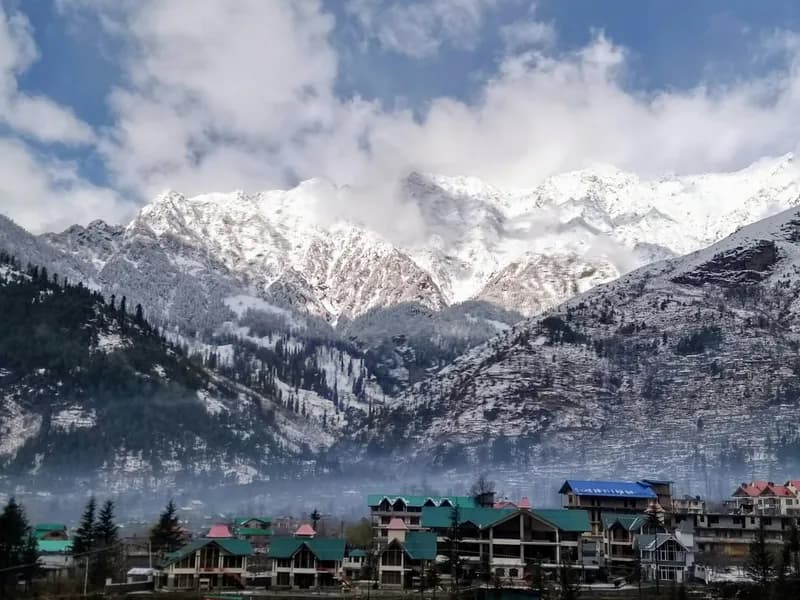
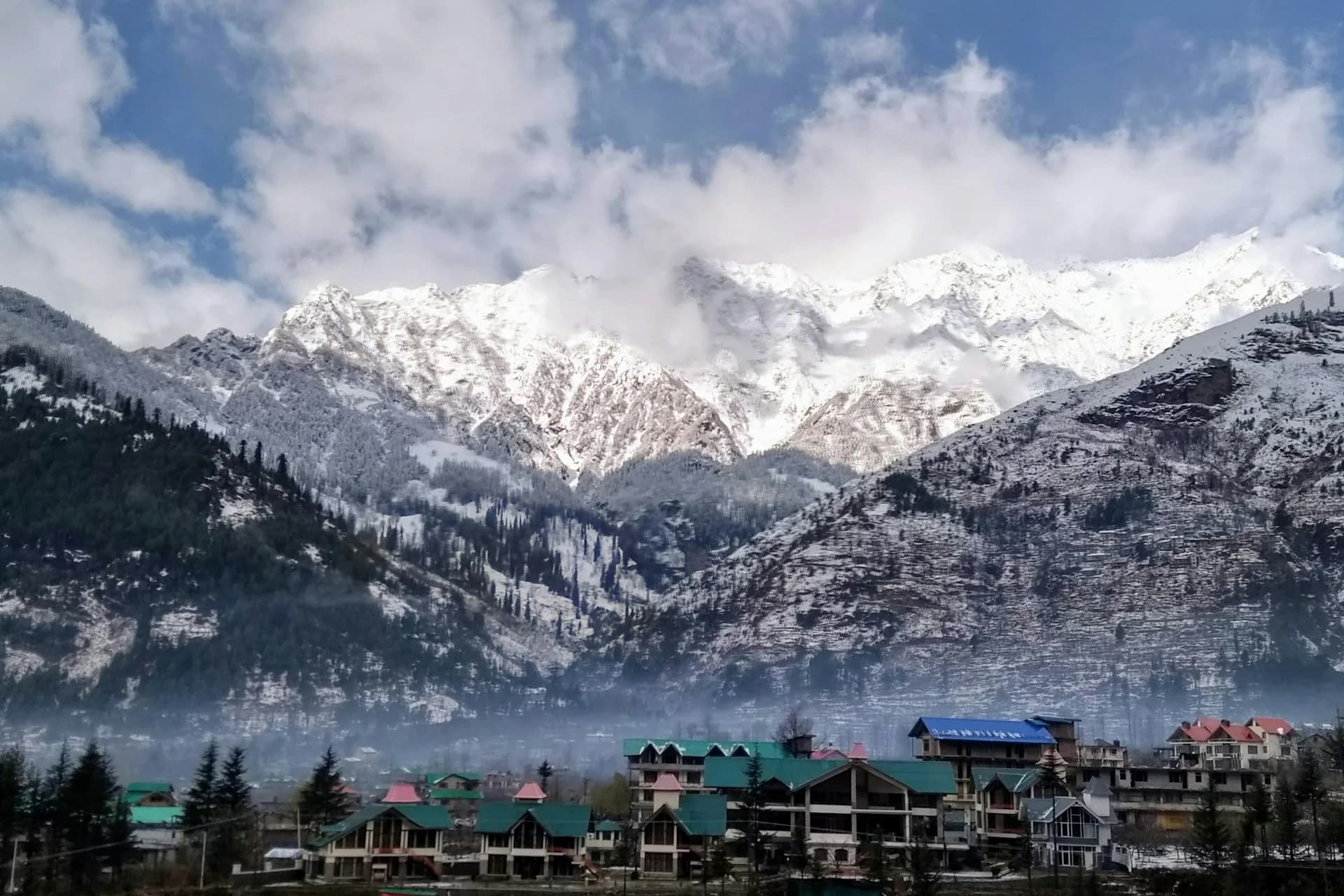
But at 6 AM, when you walk to the Beas River before anyone else is awake, and the snow peaks are turning pink, and the only sound is water and wind — Manali is still the place it's always been. A valley that helps you forget whatever you were worried about.
Come in September. Come on a weekday. Come quietly.