Three Days in Coorg's Coffee Mist: Finding the Kodava Soul
Three Days in Coorg's Coffee Mist: Finding the Kodava Soul
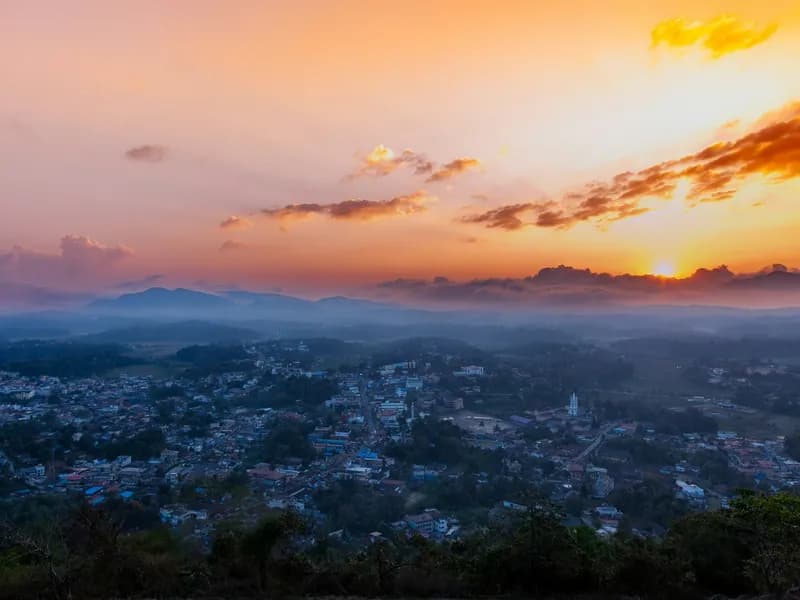
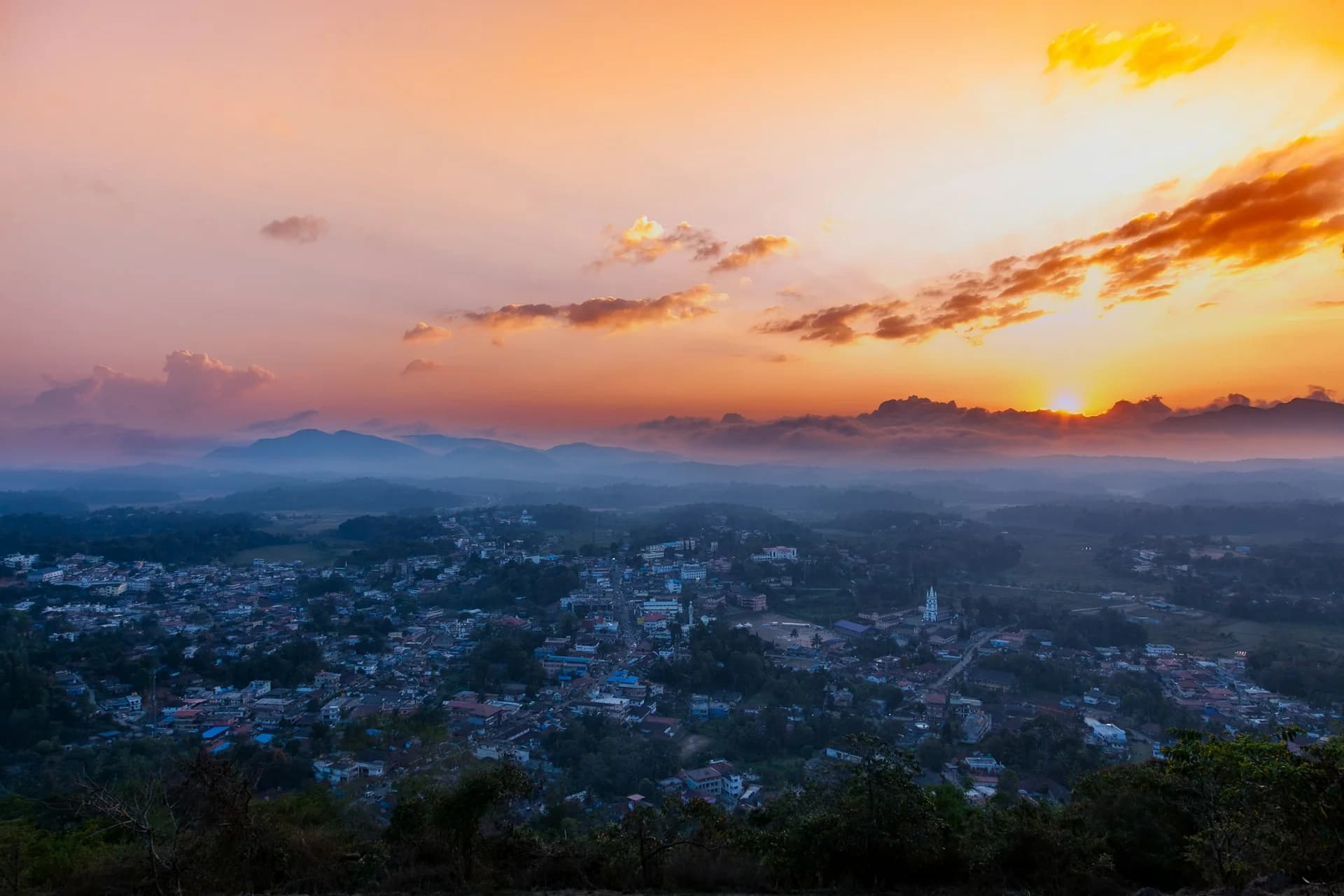
The mist arrives at 5 AM like something alive. It rolls up from the valley floor, swallows the coffee bushes row by row, erases the pepper vines climbing their silver oak poles, and finally takes the homestay's tin roof until everything is white and wet and smelling of arabica.
Picture yourself on the verandah of a family homestay 8 km outside Madikeri, a steel tumbler of filter coffee warming your hands — beans that were growing 50 meters away just weeks earlier. The coffee is dark, intense, and slightly bitter in the way that only fresh-roasted Coorg robusta can be.
Your host, a Kodava farmer named Subbaiah, appears beside you. "This is what we do every morning," he says. "Stand here. Drink coffee. Wait for the mist to show us the mountains."
Fourteen hours in Coorg and you already understand why people never leave.
The Drive In
Coorg — officially Kodagu district — is 260 km from Bengaluru. The drive takes 5-6 hours: highway to Mysore (3 hours, the new expressway is excellent), then two hours of winding mountain roads through the Western Ghats.
The transition is gradual and then sudden. Flat plateau gives way to gentle hills, then the road starts climbing through dense forest, and then — coffee. Everywhere. Coffee bushes under shade trees, stretching up hillsides and down valleys. The air changes. Cooler. Wetter. The smell of vegetation and red earth.
Madikeri, the district capital, sits at about 1,150 meters. It's a small, unremarkable town — the standard collection of shops, temples, and traffic. The magic of Coorg lives outside Madikeri, in the plantations and forests that cover 80% of the district.
Day One: The Plantation
Subbaiah's family has farmed this land for four generations. Coffee and pepper are the main crops, with cardamom, vanilla, and orange trees filling the spaces between. The estate runs 15 acres — small by commercial standards, large enough to produce 3,000 kg of coffee per harvest.
The morning tour is an education. Coffee cherries grow in clusters along the branches — green when unripe, bright red when ready. Each cherry holds two beans. The picking is done by hand (mechanical harvesting would damage the shade trees) during the November-February harvest season.
Subbaiah's wife, Kaveri, runs the processing shed — pulping machines strip the fruit from the beans, which then dry on raised beds for 2-3 weeks. The transformation from slimy green seed to dry, papery parchment coffee is pure alchemy.
Pick up 2 kg of estate-fresh Arabica for INR 600/kg. The same quality in a Bengaluru specialty shop runs INR 1,200+.
The Kodava Table
Lunch at the homestay is a revelation. Kodava cuisine is unlike anything else in South India — meat-centric in a region dominated by vegetarian traditions.
Pandi curry — pork cooked with kachampuli (Coorg vinegar, made from the bark of a local tree) — is the signature dish. Dark, tangy, rich. The pork falls apart. The gravy carries layers of flavor that keep evolving on your tongue. Kaveri marinates the pork from the night before.
Alongside it: akki roti (rice flatbread cooked on a griddle), bamboo shoot curry (tart and crunchy), and kadambuttu (steamed rice balls). Everything comes from ingredients within walking distance of the kitchen.
For dessert: payasam made with estate-grown jaggery.
The cost of the meal? Nothing extra. Homestay rates (INR 2,500/night for this one) include all meals. The economics of Coorg homestays are remarkably kind.
Day Two: Waterfalls and Monastery
Begin the morning at Abbey Falls — 10 km from Madikeri, a 70-foot cascade plunging through coffee and spice plantations. Entry INR 15. A short walk from the parking takes you across a hanging bridge. The falls are best during or just after monsoon (July-October), when the flow turns thunderous. In November, the cascade runs gentler — still beautiful against the green.
Spend the afternoon driving to Namdroling Monastery in Bylakuppe — 34 km from Madikeri. This is the largest Nyingma Buddhist monastery outside Tibet, home to 5,000+ monks. The three massive gold-plated Buddha statues inside the prayer hall are jaw-dropping. The detail in the wall paintings — every inch covered in Buddhist iconography — is overwhelming.
Free entry. Open 9 AM-6 PM. Photography allowed. Tibetan food stalls outside serve momos and thukpa (INR 60-100). The contrast between Kodava warrior culture and Tibetan Buddhist serenity, just 34 km apart, is quintessentially Indian.
The Evening
Back at the homestay, Subbaiah builds a fire in the outdoor pit. Settle in around it with a glass of homemade jackfruit wine (slightly sweet, surprisingly strong) while he tells stories of his grandfather's hunting days — the Kodava people traditionally carried weapons and were one of the few Indian communities permitted to own firearms without license.
The night sounds in Coorg are extraordinary. Crickets, frogs, the occasional elephant trumpeting from the nearby forest ("Don't worry," Subbaiah says, "they don't come to the estate. Usually."), and the drip of mist from the coffee canopy.
Day Three: The Peak and Departure
Set out early for the Tadiandamol trailhead — Coorg's highest peak at 1,748m. The 8 km round trip trek climbs through shola forests and opens onto grasslands that roll like ocean waves to the horizon. Hire a local guide at the trailhead (INR 600). Start early — by 10 AM, clouds move in and block the views.
The summit panorama on a clear day shows the Western Ghats spreading in every direction — forest, coffee, mist, and the distant glint of the Kaveri River.
Drive back to Madikeri for Raja's Seat — the garden viewpoint where Kodagu kings watched sunsets. Entry INR 10. The musical fountain show at 7 PM is modest (INR 10), but the view of mist-covered valleys is the real show.
Leave Coorg at noon for the drive back to Bengaluru. The coffee you bought fills the car with its smell for the entire drive — a souvenir that keeps giving.
What Coorg Teaches You
The Western Ghats connect Coorg to Kerala's backwaters and beaches.
Coorg isn't a destination with attractions. It's a destination with atmosphere. The coffee mist. The Kodava hospitality. The food that tastes like the land it comes from. The forest sounds at night.
Weighing options? Check out Coorg vs. Wayanad: Which South Indian Coffee Country Wins Yo.
For more practical details, check out our complete guide to Coorg.
You can make a list of things to see — Abbey Falls, Dubare elephants, Raja's Seat, Namdroling Monastery — and tick them off in 48 hours. But the real Coorg is the space between the sights: the morning coffee on the verandah, the walk through the plantation, the dinner conversation over jackfruit wine.
Book a homestay, not a resort. Stay three nights, not two. And when the mist comes at 5 AM, stand there with your coffee and wait for the mountains.